2 months ago
23
2 months ago
23
Health experts have warned of a new mutant strain of influenza circulating ahead of Christmas, as the state battles an unseasonal rise in cases following a record-breaking flu season.
Data for the year to date shows more than 95,000 cases of influenza recorded in Queensland this year – the highest yearly total in a decade, and 21 per cent higher than the same time last year.
NSW, Victoria, Queensland and South Australia have all reported unusually high rates of flu infections for the time of year, driven in part by a new strain of influenza A H3N2 known as subclade K.
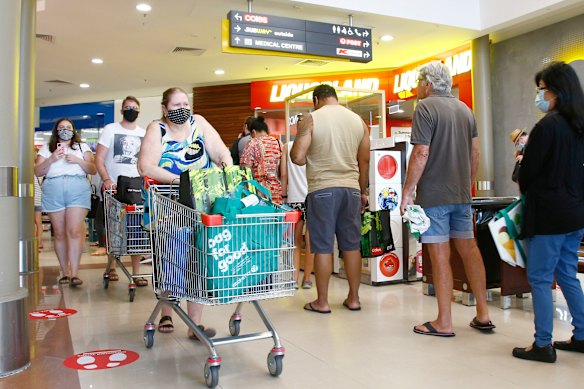
A new strain of influenza, mosquito borne viruses and gastro are just some of the illnesses experts are warning against this holiday season.Credit: AFR
Director of infectious diseases at Mater Health Professor Paul Griffin said subclade K was particularly troubling as the strain emerged after this year’s influenza vaccine was developed.
“Because [the strain has] changed, it means that past infection doesn’t help [reduce severity or provide much immunity] either,” he said.
Loading
Queensland was also at risk because of low vaccination rates, with Griffin warning people to approach the holiday season with caution.
“Normally, the environmental conditions this time of year are less conducive to flu transmitting, so we do see cases reduce over summer,” he said.
“But with this new subclade, reduced vaccination rates, people doing less to control the spread and the fact the year began with a high number of cases over summer already … the risk at the moment is higher than we’d normally see.
“People should pay attention to that and take some simple steps to reduce the risk, especially as they travel and celebrate together over the holiday season.”
Queensland was revealed to have the lowest influenza vaccination rates in Australia earlier this year, despite a $675,000 campaign for free vaccinations.
During the peak of the flu season, an average of 227 public hospital beds were occupied by flu patients, almost half over the age of 65.
Griffin said the latest data showed around 66 people admitted to hospital with the flu: “That’s a significant number of beds occupied, and we know that number would be less if our vaccine rates were higher.”
Nearly 1700 cases of flu were recorded last week (December 8-14), with rates highest among children under 18 years of age, followed by adults aged over 75.
But influenza is not the only concern this holiday season.
Queensland Health issued a warning on Wednesday for mosquito-borne viruses such as Ross River virus, Barmah Forest virus and Japanese encephalitis virus (JEV), with wet and warm weather, and increased outdoor activities, heightening the risk of infection.
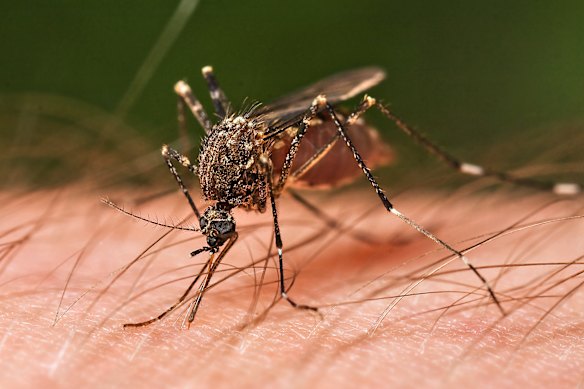
Two people died in Queensland earlier this year after contracting Japanese encephalitis virus (JEV).
More than 650 cases of Ross River virus infection and over 160 cases of Barmah Forest virus infection have been recorded in the year to date.
Three cases of JEV, a rare but potentially serious illness, were reported in Queensland, with two resulting in death. They were the first recorded fatalities in the state since the virus first appeared on the Australian mainland in 2022.
Communicable Diseases Branch executive director Dr Heidi Carroll urged Queenslanders not to be complacent about protective measures such as clothing and insect repellant.
Loading
“If you don’t get bitten, you can’t get infected,” she said.
“It’s important to remember that some mosquito borne viruses can be very dangerous and can result in serious illness or even death.”
Other warnings have been issued for cryptosporidiosis, a gastrointestinal illness which can be contracted by swallowing contaminated water, and measles, with several recorded outbreaks across Queensland this year.
Crypto cases are most common in children up to the age of nine and among adults aged between 30-39.
While not unique to Queensland, the state records consistently high numbers compared to other parts of Australia, with more than 6100 cases recorded in 2024.
Symptoms include watery diarrhoea, abdominal pain, nausea, vomiting, fever, headache and loss of appetite.
“Because people with cryptosporidiosis can remain infectious even after symptoms settle, they should avoid swimming while they have diarrhoea and for two weeks after it has stopped,” Carroll said.
A measles alert remains in place for north Brisbane, with the last known infectious case spending time at the Caboolture Hospital Emergency Department in late November.
Most Viewed in National
Loading