3 months ago
30
3 months ago
30
Head to the carpark at the back of the three-storey 1888 landmark, and look for the pink neon that says “Sama”.

Here? At this old pub slung with Fox Sports, TAB and steak night signs? Really? Yes, trust me. Around the back of the 1888 landmark, tucked in the carpark, you’ll see pink neon that says “Sama”. It points the way to a notable new Lebanese restaurant.
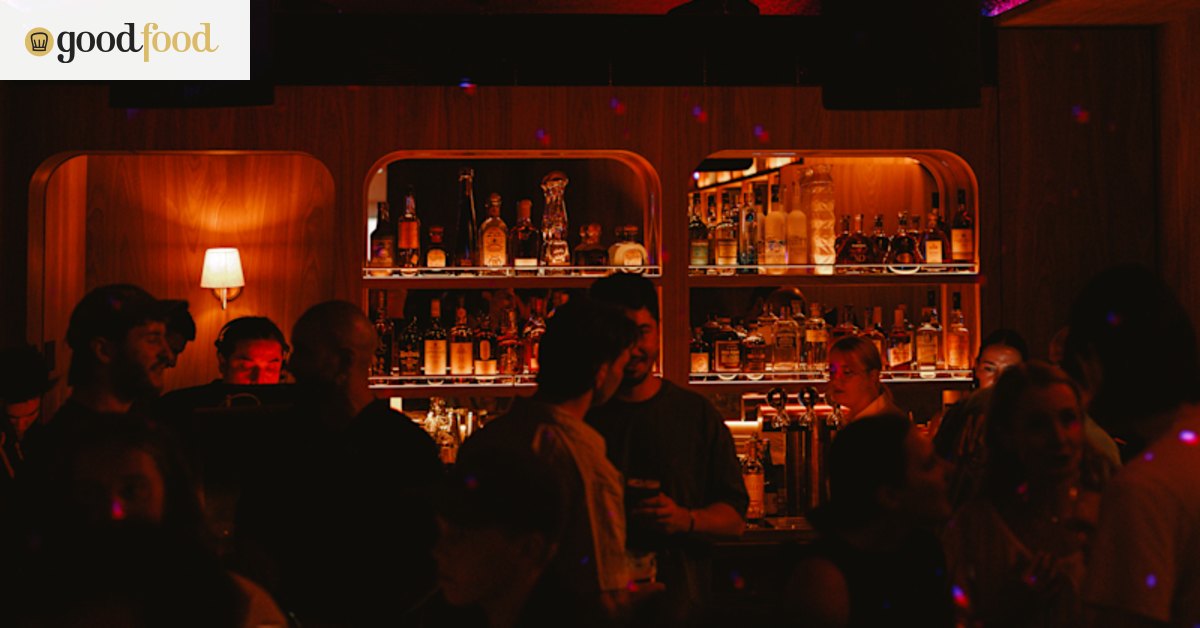
Open since November, the Grandview Hotel’s bistro has been remade as a 50-seat dining room. Well-spaced tables and textiles make it amenable for those who struggle in noisy venues. Sheer curtains, bentwood chairs and paper-over-linen tablecloths signal sophisticated dining. Black-and-white family photos and enlarged vintage Lebanese postage stamps speak of the old country. A pressed-tin bar with a squadron of beer taps says 19th-century Melbourne pub, but the menu is all tahini and toum, pita and pomegranate.
Norah El-Fahkri was 11 in 2000 when her father bought the pub. She recalls running up and down stairs, wondering about ghosts. For a long time, she wanted to bring her family’s Lebanese food culture to the Aussie edifice. When she teamed up with Eddy Hasbany, the Lebanese-born ex-manager of Brunswick East’s legendary Rumi restaurant, the vision took shape.
Chef David Gonnella (also ex-Rumi) brings culinary ideas to life, aided by existing pub chefs excited to stretch the repertoire.
Restaurant reviews, news and the hottest openings served to your inbox.
Hasbany oversees a warm, well-trained waiting team. He’s also the one who came up with the name: “Sama” means sky in Arabic. Hasbany tells me the sky was a conceptual sanctuary for him as a boy, growing up amid geopolitical conflict. “We looked up to the sky for peace,” he says. “The sky doesn’t judge, there are no checkpoints, everyone belongs.”
Sama’s food springs from tradition but tweaks speak to today’s Melbourne. You can choose the hummus topped with lamb mince or a bright, zingy Euro-leaning version with lemon and capers. There’s pub-style crisp-fried whitebait but it’s served like Lebanese fatteh, layered with yoghurt and crunchy pita.
Tabbouleh, a parsley and cracked wheat salad, is spooned sang-choy-bao-style into lettuce boats. Spiced beef cheek rests over moghrabieh (giant cous cous) for tumbling at the table.
Vegetables become heroes in dishes like zucchini shish, the shaved veg concertina’d on skewers, brushed with intense tomato reduction.
Knafe (a sweet pastry) meets fancy French millefeuille and Aussie vanilla slice in a dessert of rich pistachio cream sandwiched between layers of squiggly kataifi pastry.
The most ambitious dish is among the best. Lamb naye sees fresh fillet pounded with cracked wheat, onion and spices. Served raw, it’s a hard sell, even for many Lebanese. But in the Sama iteration, the blitzed lamb is rolled into balls, coated with either sesame seeds, crushed pistachio or dried rose petals. It’s raw lamb, yes, but it looks as cheery and unthreatening as scoops of ice-cream. On the side, there’s cracked wheat, radish, onion and mint to parcel into thrilling mouthfuls.
Sama is more heartfelt than highly polished but it’s a beautiful ride. Hasbany sees a connection between the namesake sky and the dining table, invoking the Arabic saying that translates as, “Between us there is salt and bread”, signifying friendship and trust. Hopefully you’ll trust me to try Sama, but I trust Norah, Eddy and the team to take it from there.
The low-down
Atmosphere: Friendly cultural mash-up in a surprising setting
Go-to dishes: Whitebait fatteh ($24, pictured); lamb naye ($22); tabbouleh bites ($18); knafe millefeuille ($17)
Drinks: There’s local beer on tap but why not go for a bottle of Lebanese Almaza pilsner? There are also Lebanese wines – you can taste before you commit – and cocktails made with arak, pomegranate and sumac.
Cost: About $140 for two, excluding drinks
This review was originally published in Good Weekend magazine.
Good Food reviews are booked anonymously and paid independently. A restaurant can’t pay for a review or inclusion in the Good Food Guide.