3 months ago
25
3 months ago
25
The patch of mould is a blight on the white ceiling, its presence at odds with the clean smell of a new home.
“Zeher, look at this,” says the owner, IT worker Adriana La Rosa. Site Inspections chief inspector Zeher Khalil, also known as the TikTok Inspector for his videos showcasing building defects, gets out his handheld thermal camera.
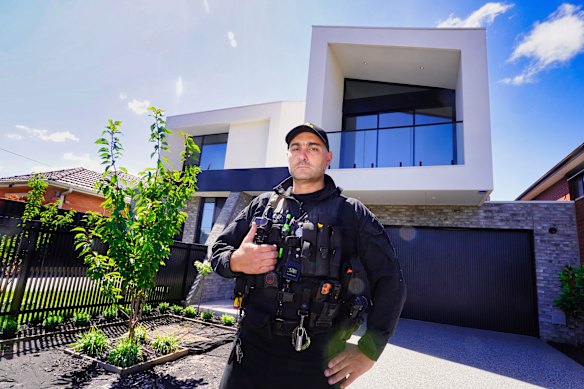
Zeher Khalil, aka the TikTok Inspector, uses his social media platforms to highlight building and constructions defects to over a million followers. Credit: LUIS ENRIQUE ASCUI
“See the dark spot there, there is water … there’s a leak 100 per cent,” he says. Khalil points the camera at the carpet, sees it light up in purple, and lifts the corner.
“Look at the purple under the carpet – that’s water,” he says. He shines a torch on the skirting, pointing out the bumps. “The swelling on the skirting shows it is wicking up the water when [it] leaks down.”
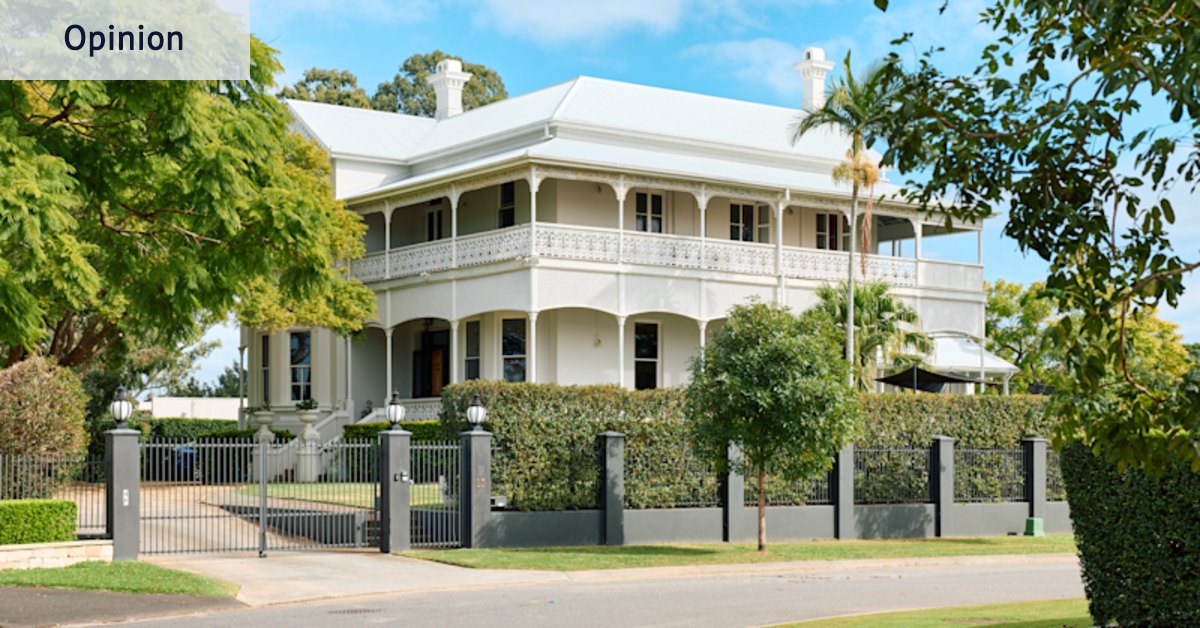
La Rosa looks horrified: she has spent about $2 million on a duplex build in Avondale Heights in Melbourne’s north-west, but is unable to move into her dream home until the faults are fixed.
Instead, she has been embroiled in a legal dispute for six months and bleeding money. The case has not been elevated to the Building and Plumbing Commission, but is before VCAT.
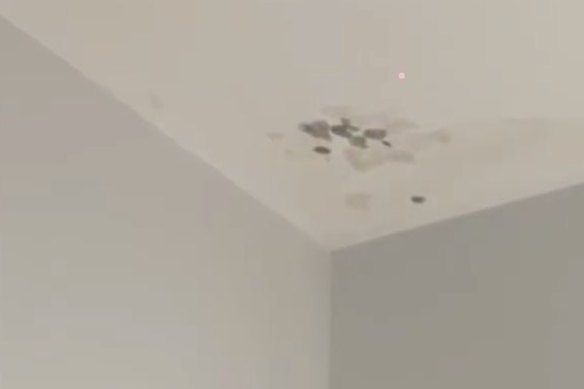
Zeher Khalil finds mould on a newly painted ceiling. Credit: The Age
Khalil is not the only one who has taken to social media to showcase building defects following a tumultuous few years in the industry. But not everyone agrees with the approach.
“She didn’t cheap out – she went to a proper builder, and thought ‘no way it’s gonna go wrong, I’ve put my life savings here’. She is shattered,” Khalil says of La Rosa, who nods.
The duplex has been her pet project since 2019.
Loading
When she brought her architect to the almost-completed home (already signed off by the building surveyor and deemed structurally sound), he suggested she call Khalil, a builder who carries out independent owner-side inspections and assessments.
“[My architect] came through and said, ‘I expected more from that builder’,” La Rosa recalls. “The fine detailing was very rough. So he said, ‘get the TikTok inspector – he will find everything’.” While Khalil’s services don’t come cheap, La Rosa is glad to have spent the money.
“How else are you supposed to know this stuff?” she says.
La Rosa’s builder, who this masthead has chosen not to name, maintains it has complied with its contractual and statutory obligations and is willing to rectify any defects, but accuses the owner of failing to pay the final contract payment and leaving the builder without access to the property.
Victoria’s former building and construction regulator, the Victorian Building Authority, was replaced by the Building and Plumbing Commission (BPC) last year following revelations by this masthead – including that investigators working for the regulator were completing virtual audits, not physically attending construction sites.
A registered builder himself, albeit not a building surveyor, Khalil says he sees builders taking advantage of consumers often.
“The most common thing I see is when a builder doesn’t follow the stamped drawings – it’s in the actual building act where a builder must follow the plan. You have to build as per plan, and most of them change cladding,” he says.
“The second ticket item is the actual roof plumbing. It’s one of the most common non-compliant items that we find, like the gutter sizes, the box gutters. Leaks are the most common.”
Loading
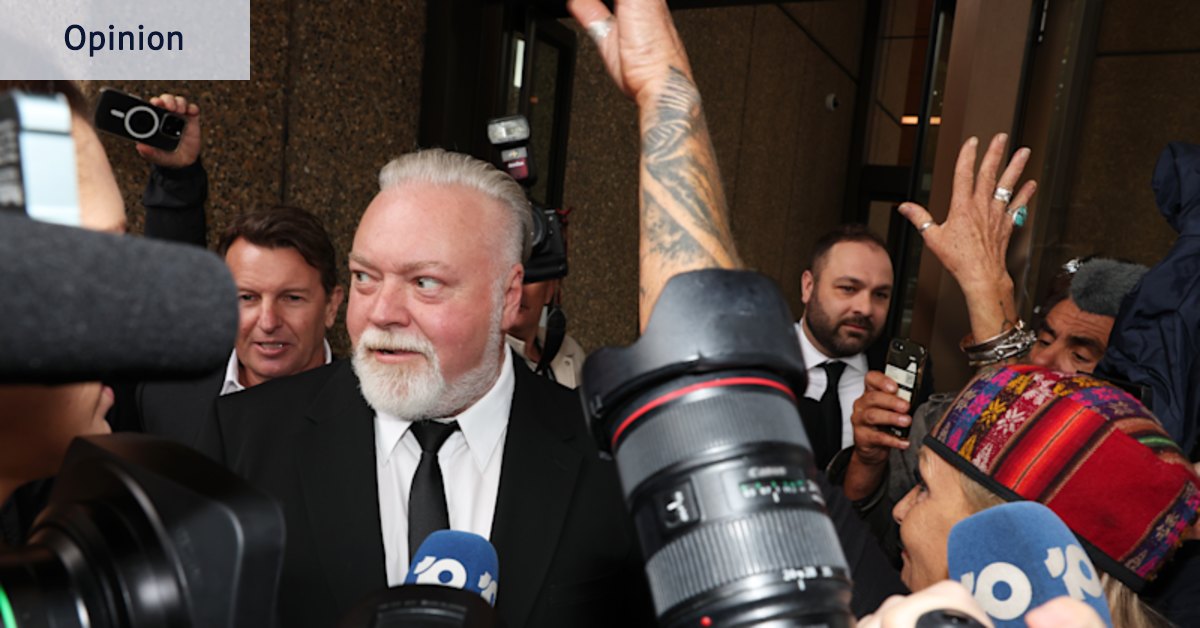
Khalil, wearing a padded black vest, comes across as a tough security guard or crime buster.
“I just love watching true crimes … the way we love to do our videos has a bit of a crime touch to it,” Khalil says.
While Khalil has been making the rounds on social media for years, his popularity skyrocketed after he inspected the $39 million penthouse of billionaire businessman Adrian Portelli in January, pointing out water leaks and cracked benchtops.
“The most important element is trust,” Khalil says.
“Because when I show things on social media, I’m putting … myself in risk. I challenge the builder on camera, it’s all real. I am not afraid to say the truth.”
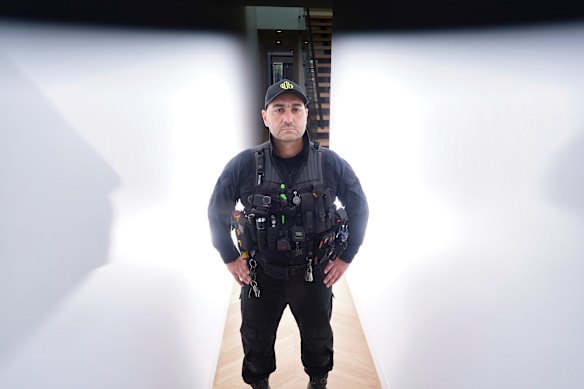
Khalil is part of a group of building inspectors who have taken to social media to showcase building defects following a tumultuous few years in the industry.Credit: LUIS ENRIQUE ASCUI
Not everyone believes highlighting every defect on social media is the best way to regulate the industry – or help the consumer.
Master Builders Victoria says while there is demand from consumers for clear, accessible information about building quality, “the concern is that much of this content is designed for clicks and attention, not accuracy”.
“Dramatic claims perform well online, but they can oversimplify complex issues and create unnecessary concern and a breakdown in the relationship between the consumer and the builder,” an MBV spokesman said.
Loading
While some social media inspectors raise legitimate issues, he added many “go beyond their expertise”.
“Matters that fall within accepted standards and tolerances are sometimes incorrectly labelled as defects to make the content more dramatic or to justify the fee.
“As pre-purchase or defect inspections are not regulated by the Building and Plumbing Commission, without professional standards or regulators’ oversight, opinions can easily be mistaken for fact, which creates confusion for home owners.”
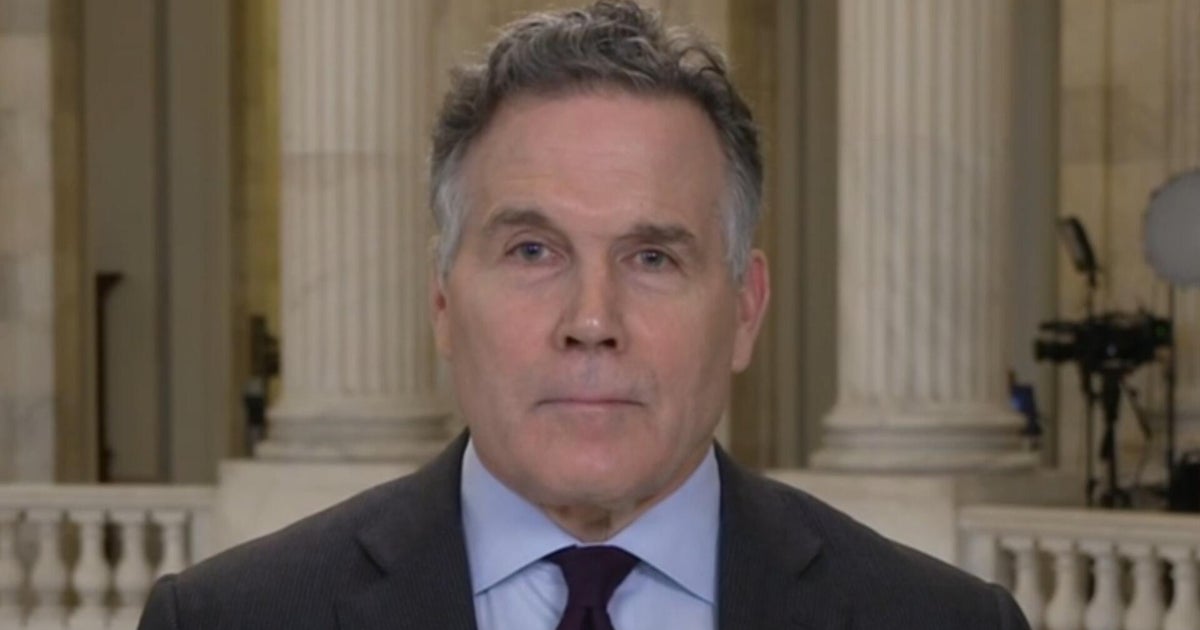
Others are uncomfortable with the element of entertainment. David Chandler, the former NSW Building Commissioner tasked with cleaning up the state’s construction industry, said while he used LinkedIn to point out some of the more common and egregious issues in the industry, there is a fine line between educational content and entertainment.
“Used wisely and strategically, social media can be useful,” he says. “I used it to basically evidence the fact that it wasn’t just Opal Towers and Mascot Towers [that were the problem] – it was many, many more buildings.”
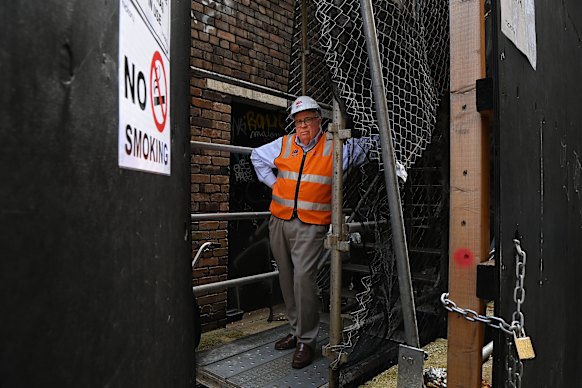
Former NSW Building Commissioner David Chandler says social media building inspections should be educational and not entertainment. Credit: Kate Geraghty
While Chandler says some of the TikTok inspectors are “genuinely trying to do something good, they [can] step over the line and become a little bit self-indulgent … they see themselves as the centrepiece of entertainment”.
Nik Mladichek, the founder of Compliance Building Reports, started his building inspections business in 2020.
Armed with a degree in building surveying and more than 20 years’ experience, he began making social media videos about 2½ years ago.
Loading
“I wish I did it earlier,” Mladichek says. “I want to create awareness of what’s going on in the industry … about the importance of inspections. We want to make sure people understand what they’re buying, explain the findings clearly in an easy-to-understand way, because most people don’t … understand building terminology.”
Mladichek says audience feedback prompted him to include more videos of “builders doing the right thing”.
“Do those videos get hundreds of thousands of views and millions of views like some of our other videos that are problematic? No … but that’s listening to the audience.”
Emily van der Nagel, a social media lecturer at Monash University, says social media building investigators are doing something similar to A Current Affair: grabbing public attention by positioning themselves as an antidote to power in society.
“It taps into the kinds of fears and anxieties that people already have about housing.”
Building and Plumbing Commission chief executive and commissioner Anna Cronin says the “BPC welcomes any information or tip-offs that help us target builders doing the wrong thing. Consumers and industry want to see bad builders held to account, and we’re using all our powers and resources, including social media, to do exactly that.”
Most Viewed in Property
Loading