2 months ago
5
2 months ago
5
Ricky Ponting says umpires privately believe they “can’t trust” the DRS technology used in Australia as Cricket Australia CEO Todd Greenberg seeks answers on how the operator error that cost England on day one in Adelaide can be avoided.
England management sought out ICC match referee Jeff Crowe after day one centurion Alex Carey conceded he thought he had feathered a caught-behind appeal when he was on 72, only for the DRS “Snicko” technology to hand him a reprieve.
Third-party provider BBG Sports, in charge of supplying “Snicko” technology to broadcasters Fox and Seven, subsequently took “full responsibility” for an operator putting up the sound on the stump microphone at the bowler’s end, instead of Carey’s end, hence why the big spike appeared.
While Carey may still have got an edge, the wrong graphic was shown which was the reason why it was out of sync.
Ponting and Greenberg both expressed dismay at the error, with Ponting withering in his criticism, claiming that “Snicko” technology is inferior to the Ultra Edge product used in England.
“This technology that we are using here (in Australia) is simply not as good as technology that’s used in other countries,” Ponting said on Channel Seven.
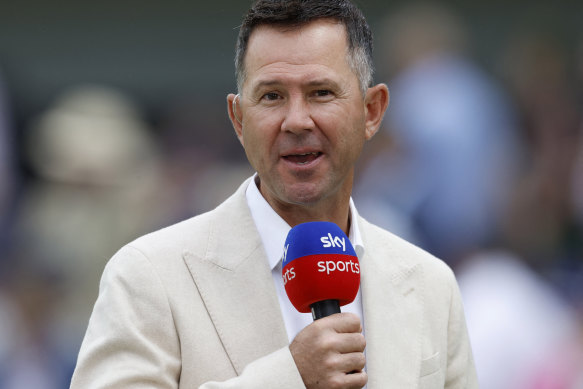
Ricky Ponting commentates in both Australia and England, and says the DRS technology Down Under is not up to scratch.Credit: Reuters
“You talk to the umpires, they’ll tell you the same thing. They can’t trust it.
“They’ve got a third umpire sitting up in there that’s got to make decisions based on what he’s seeing that the technology is providing, and sometimes they have a gut feel that it’s not right.
“That can’t happen. You’ve got to be able to trust the technology that’s in place.”
Carey’s DRS reprieve follows a similar drama around English counterpart Jamie Smith’s first Test dismissal in Perth, where the visiting keeper was given out caught behind despite replay frames not matching up with Snicko’s audio panel as well.
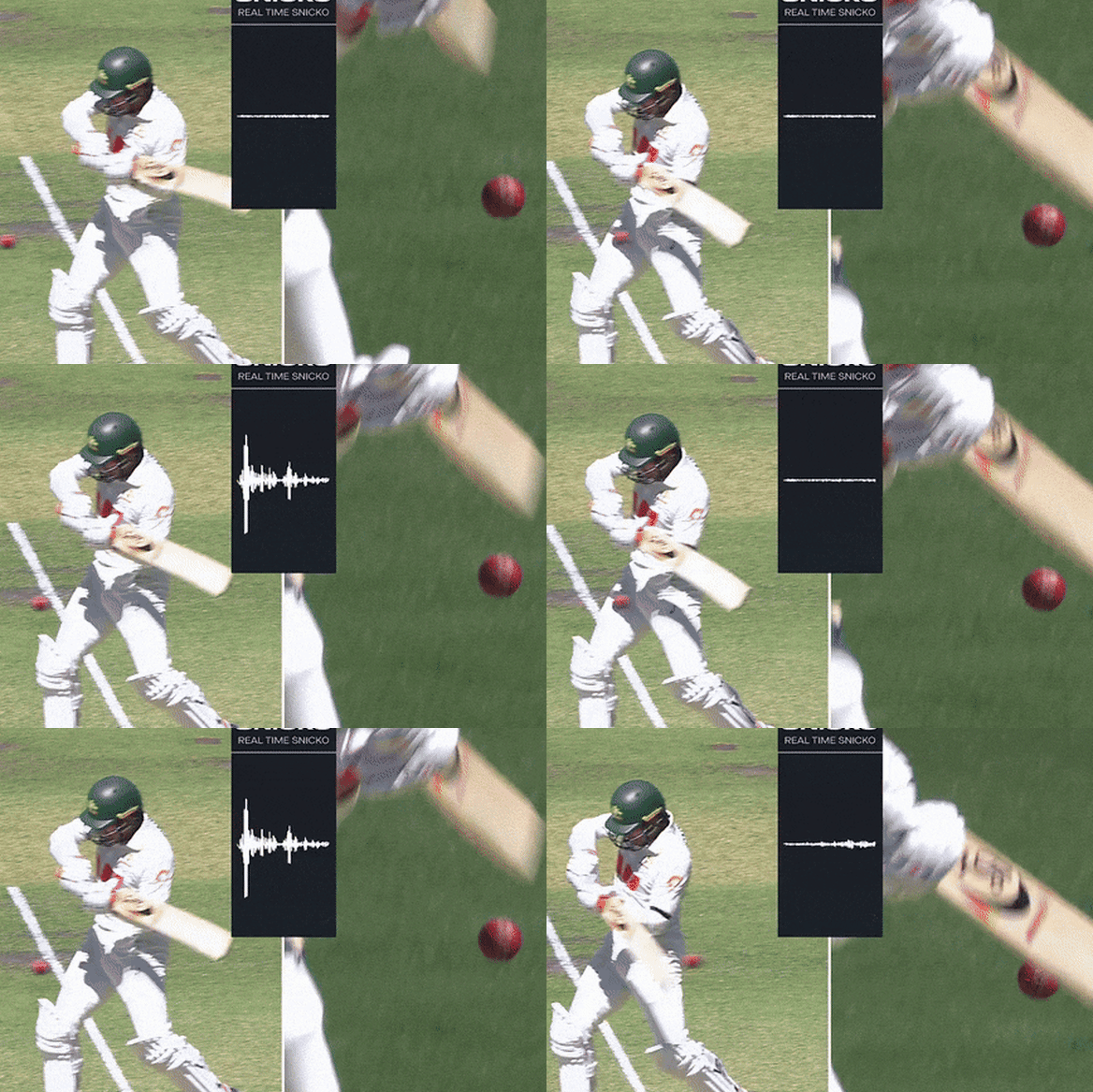
Alex Carey admitted after stumps that he had hit the ball.Credit: 7Cricket
Under its most recent broadcast deal with Sky, the ECB agreed to help pay the cost of using industry-leading technology operators Hawk-Eye and Ultra Edge in order to ensure that match officials have access to the best available aids for decision-making.
That decision followed queries from Sky about the cost of these aids. Broadcasters have increasingly looked to keep operating costs down, while governing bodies have a responsibility to help umpires be as accurate as possible in their adjudication.
Greenberg acknowledged as much before play on day two after the DRS drama “caused me some heartburn” the previous evening.
Loading
“I wouldn’t say we’re very hands-on because ultimately these are providers that are licensed by the ICC,” Greenberg told SEN Cricket.
“The broadcasters then engage that supplier. But the short answer is we’re not happy with it.
“We don’t think it’s good enough, and we definitely think we need to be assured that it won’t happen again. So we’re asking the right questions of the right people.
“From what I can understand, having dug into it a little bit ... there’s two human errors. One is the actual decision from the umpire, and then there’s supposed to be a fail-safe with the technology. That didn’t happen. In my view, that’s not good enough.”
Most Viewed in Sport
Loading