
 4 months ago
52
4 months ago
52

 Getty Images
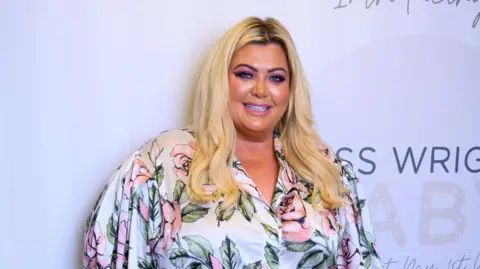
The Department for Education (DfE) has received backlash over its collaboration with TV reality star Gemma Collins promoting post-16 education on social media.
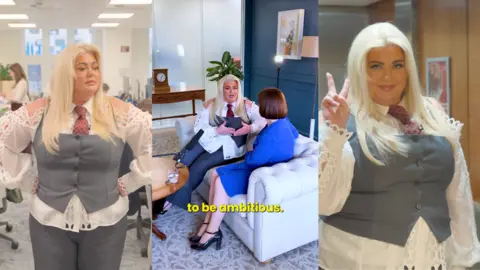
Collins appears in a number of videos on the DfE's social media pages, including a sit down chat with Education Secretary Bridget Phillipson.
People questioning the inclusion of The Only Way Is Essex star and campaigners angry with the government's provision for children with special educational needs and disabilities (SEND) have been critical of the videos.
Phillipson described some of the negative comments as "outright snobbery and just downright unpleasant" and argued Collins had a reach "politicians can't reach".
The reality TV star who has appeared in shows, including Celebrity Big Brother, I'm a Celebrity Get Me Out of Here, Celebrity MasterChef, Celebs Go Dating and Dancing on Ice, has 2.3 million Instagram followers,
Her follower count dwarves DfE's 85,000 followers and Bridget Phillipson's 19,000 followers.
The DfE emphasised that the collaboration is about "how we are transforming post-16 education" and "supporting the aspirations of young people who want high quality vocational courses."
The BBC understands that Collins chose to collaborate with the DfE in order to highlight alternative options for young people who feel university is not for them.
Collins declined to comment.
She features in a video depicting her walking into the DfE offices with the background music from film The Devil Wears Prada. In the video, Collins asks "Right, what are we doing to help the children?".
She also sits down with Phillipson to chat about vocational courses and remarks of her love for monarch Richard III.
The DfE commented on their Instagram post, amid concerns about the department's spending on influencers, saying: "GC wasn't paid. The two had a great chat about the education system. Stay tuned."
 The Department for Education/Instagram
Collins has appeared in multiple videos on the DfE's social media channels, including in conversation with Education Secretary Bridget Phillipson
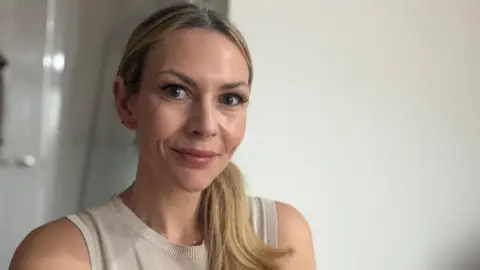
Although SEND was not specifically mentioned in the DfE videos, Aimee Bradley, who has three autistic children and runs the parent campaign group SEND Sanctuary UK, told BBC News she wants an apology over the videos.
"Some parents are literally grieving children lost after years of unmet need, school trauma, mental health collapse, and systemic failure."
Bradley described PR content and celebrity skits one day after the consultation closed as "honestly sickening."
She added that there were "so many other people" who could have been involved in these videos who would have had "greater care and understanding."
"It felt like a joke on us parents, it came up the day after the consultation closed, there needs to be an apology for us parents, who are literally just fighting for our lives."
 Aimee Bradley
Aimee Bradley says parents are concerned by the lack of detail on the government's plans for SEND
Amy White, a parent of a child with SEND and an advocate, said the latest government campaign shows they are not "reading the room".
She suggested that using a reality TV star who is not a parent or doesn't have "lived or professional experience supporting children with SEND, feels completely disconnected from the reality families face every single day".
"The Department for Education appears to think promoting pantomime-style reels is somehow going to reassure parents that they are acting in our children's best interests," she added.
"It is frightening. It is insensitive. And for many families, it feels downright insulting."
Despite the backlash, teacher Russell Clarke told the BBC while it may be "easy" to criticise the choice of using Collins, he understood the reasoning behind it.
"If the aim is to engage young people, they are unlikely to be actively following or interacting with the DfE unless the message is delivered by someone they already engage with on social media."
He added that the challenge comes when there is a risk of "blurring" the message you are trying to send.
"When someone like Gemma Collins is saying, in effect, 'I didn't get qualifications, and I've still become successful', some young people could make that connection in the wrong way. For that reason, I would probably favour a broader range of contributors having these conversations."
 Getty Images
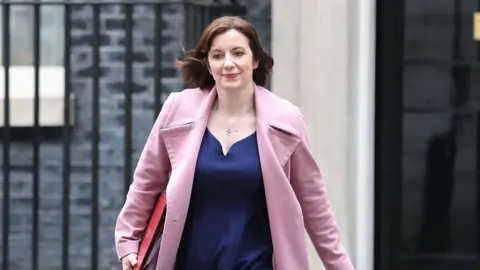
Phillipson said the collaboration with Collins was "loads of fun" and that Collins was "passionate" about seeing young people succeed
Education Secretary Phillipson, speaking to BBC Radio 5 Live about the backlash from the videos, said Collins has reach that "politicians can't reach".
"I think some of some of the discussion I've seen has veered between outright snobbery and just downright unpleasant, a bit of kill joy attitude, you know, there's enough doom and gloom in the world."
She said Collins was really keen to stress how important it is for children to try hard in school, at a time where "in some parts of the country people don't see doing well in school as being the route to a good life".
"If she can get that message across to some of the young people that frankly don't really care what the secretary of state of our education's got to say about the topic, then I think that's good for all of us."
Arguing the campaign reached people they would not normally, she said: "That's really important. If we want every family to know what's out there, to know the support that's available, and to understand what the vocational routes are for young people that we're just announcing today."
But Dr Gillian Brooks, senior lecturer in strategic marketing at King's College London, said the issue lies less with Collins and more with the DfE using an influencer whose "public identity is rooted in entertainment culture rather than education or vocational training".
She told BBC News that when organisations collaborate with influencers, the objective is to amplify the institutional message rather than allow the personality of the influencer to "dominate the conversation."
"The influencer's personal brand has overshadowed the policy message the department was attempting to promote," she said.
A spokesperson for the DfE said: "It's crucial that we meet people where they are, with information they need to know – whether that's at weekly face to face events with parents and teachers or on social media platforms...
"This collaboration has enabled us to reach a wider audience and make them aware of the opportunities they can benefit from, which is a key part of our commitment to transform the life chances of all children and young people."
Additional reporting by Rahib Khan.

















































