2 months ago
6
2 months ago
6
Opinion
December 15, 2025 — 5.00am
December 15, 2025 — 5.00am
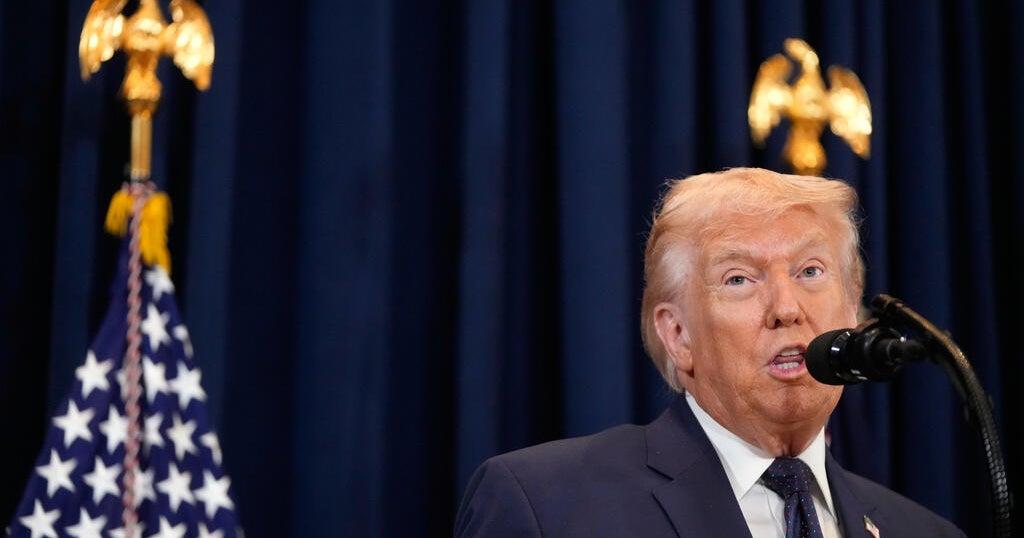
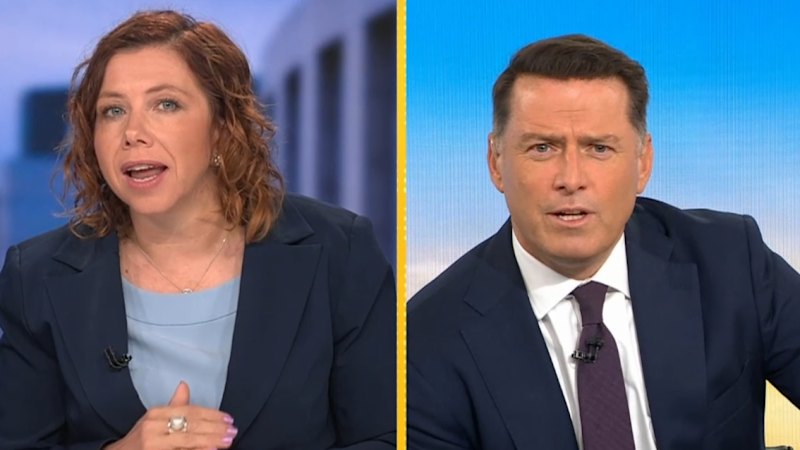
Right at the end of his press conference on Thursday, hit with yet another question on travel expenses, the prime minister said: “What I’m focused on today is an issue which is a revolution.” When people are writing books about this government, looking at the “five biggest things that we did, I tell you what, this will be one of them”. He was talking about – or trying to talk about – the social media ban.

Illustration by Joe BenkeCredit:
If Anthony Albanese’s claims sound dramatic, it is worth remembering how allergic he usually is to dramatic claims. He resists making large promises because, he argues, disappointing expectations is a sure way of disillusioning people.
Most of the time he dislikes talk of revolution. In the past, asked whether his government could be bolder, he has defined himself in opposition to the idea: “I am a reformist, not a revolutionary.”
For Albanese to be saying such things is, in part, a pointer to just how significant he thinks this new law is.
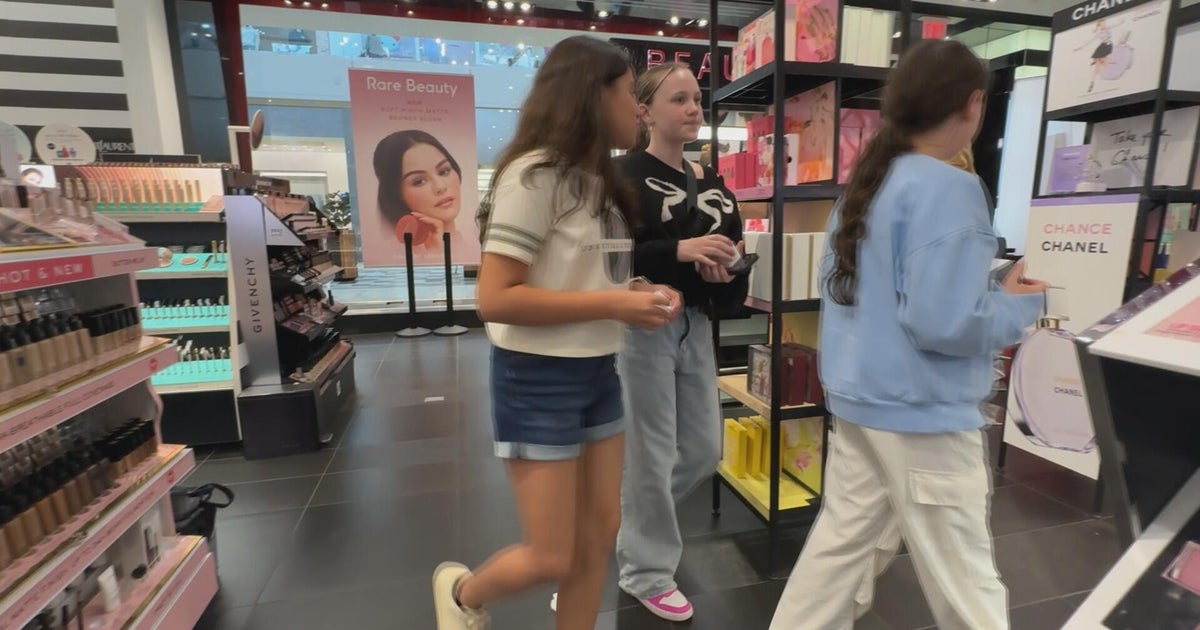
He is probably right. A year ago, the novelist Zadie Smith wrote about her recent experience of addressing 400 14-year-olds. “I was meant to be talking to them about fiction, but every question they asked was about social media.” And so she put to them something that felt like “utopian optimism”. In past acts of resistance, she said – to slavery or oligopolies, say – huge forces had to be marshalled, on many fronts. But now, she asked, what would have to happen “to seriously damage the billionaire empires that have been built on your attention and are now manipulating your democracies? To achieve that right now?” The answer: “All you guys would need to do is look away.”
Loading
From their phones, that is. This was not, Smith conceded, a fix to all problems. But it may play a role in restoring community, localised life and public debate. In turning our society away from something it was becoming and sending it in a new direction.
Smith’s essay is electrifying. And that is the space that Albanese is stepping into: making those 14-year-olds look away. The rules may not work in their current form. We will see. But in this area the government is not hesitating. It is trying something. If it doesn’t work, it can try something else. In fact, it will have to, because it has made clear a problem exists that demands intervention.
This is a return of the spirit we saw in Labor at the beginning of the Voice campaign. Failure was always a possibility. But there was a recognition that the problem – Indigenous disadvantage and the marginalisation of Indigenous people in discussions of that disadvantage – was so significant that something had to be tried. With an election behind us, it is now apparent that that failure did not dent the government as much as it seemed at the time. Trying things may not be that disastrous after all.
The failure was, however, awful in itself. Last week, we learnt that more Indigenous Australians died in custody this past year than at any time since 1979-80. One of the dismaying things about the referendum was the realisation that many Australians simply did not understand the disadvantages faced by many Indigenous Australians.
Loading
This is a reminder of the two parts of any advocacy campaign. First, campaigners need to convince people there is a problem. Second, they need to convince people of the proposed solution. For the Voice, the first condition was not met, which made the second near impossible.
With the social media ban, Labor has a head start: people already know there is a problem.
In part that’s because we all use social media. But it is also in part, I think, because social media is increasingly seen within the context of a society that people are becoming more concerned about. As Smith’s essay reminds us, it can be placed within discussions about the role of billionaires; surveillance; polarisation; atomisation; loneliness – the fading away of democracies, community and discussion. It is not that it is the sole cause of these problems, but nor can we easily separate it out.
Labor’s policy should be evaluated on its own merits. But we should be aware, too, of its role as a proxy for other difficulties facing our country; the way it funnels a set of emotions around many issues into one specific issue.
Which brings us to housing. The shortage of housing and the unaffordability of houses matter in themselves. But the emotion surrounding them matters too. House prices are not only an instance of inequality. They have become symbolic, pointing to the wider sense that this society is cleaving into halves: those who will inherit and those who have to make it on their own. Like social media, they have become a proxy for a wider sense of discontent about developments in the way we live.
There is one more parallel between the two issues. Should the government act dramatically on housing, there would be no need to convince people of the problem; only the proposed solution. But here Labor is on the clock, because soon its opponents will offer another, incredibly simplistic – and false – answer: cutting migration. And the potency of that answer lies in the emotions that migration (along with racism) summons up for some: feelings tied to issues of identity, entitlement, loss and fear. Combined with the resentment already summoned by housing in general, that is a dangerous mixture.
And Labor is on the clock, too, because we are no longer in its first term. Which may be another reason for Albanese’s sudden willingness to use grand language on social media: in a second term, when voters become less patient, he can’t afford for achievements like this simply to get lost.
If, in this term, the government takes stronger action on housing than it has so far, that could easily become another of the “five biggest things” it is remembered for. Certainly, if it fails to make meaningful progress on the issue, it will be remembered as one of the biggest things it failed to do.
Sean Kelly, a regular columnist, was an adviser to former Labor prime ministers Julia Gillard and Kevin Rudd.
Get a weekly wrap of views that will challenge, champion and inform your own. Sign up for our Opinion newsletter.
Most Viewed in Politics
Loading