3 months ago
35
3 months ago
35
Appearing at Adelaide Writers Week had always been a dream of mine – dating from the time when I was a school student, sitting on the lawns of the Women’s Memorial Gardens to hear from people who inspired me. It was a place where young people could be exposed to exciting, revolutionary and polarising ideas outside the confines of a classroom.
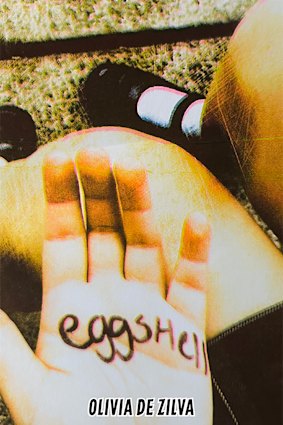
Olivia De Zilva’s second book.
This year, I was scheduled to participate in two events – my first appearance on a line-up of big names across Australian and international publishing. After the removal of Dr Randa Abdel-Fattah from the program, alongside 180 other authors, I immediately withdrew in solidarity over a blatant act of censorship. It was important for me, no matter the cost, to stick to my principles and values, especially as a young person of colour. The cancellation of the festival, though no doubt a massive disappointment for the more famous authors, would not stop their worlds from turning, both financially and professionally. But for debut authors like me, it was devastating.
In 2025, I was privileged enough to publish my first two novels: Plastic Budgie, a work of autofiction, and Eggshell, a young-adult novel. Both were set in my hometown of Adelaide and were published by small, independent presses. This meant that I had limited coverage across mainstream media and hosted small events which felt very different to the big literary scenes of Sydney and Melbourne. So I was ecstatic to be invited to Writers’ Week and saw it as my first footstep into that influential world.
Last year, 160,000 people attended Adelaide Writers’ Week – speaking to audience of that size would be potentially life-changing for a debut author. Appearing at Australia’s oldest literary festival gives authors a chance at their next big break, with readers, authors, agents, publishers and booksellers from around the world converging under one roof. It’s also free, which helps little-known names to be discovered, rather than visitors just buying tickets for writers they already know.
I was especially excited to be included in the secondary school line-up and share my work with students, an integral audience to Eggshell. It is difficult to find these younger audiences organically, so to have the chance to speak to them would have been a key opportunity for the book to reach an audience. I wanted these students to feel like I did at my first Writers’ Week – represented and excited that there were books and ideas which reflected their struggles as young people. I was, after all those years, excited to demonstrate there was a path to a writing career in our home town, and that South Australia had stories worth telling.
Loading
It is disheartening to see the spotlight so focused on the big-name authors who withdrew from the festival, when the ramifications for debut authors has been far more severe. While Australia has some initiatives for emerging writers, there is a stronger focus on promotion of bigger, more established names, in many cases from overseas. With festivals and writers’ centres experiencing more and more funding cuts, it feels like there are fewer opportunities for smaller-name authors to find their footing and establish themselves. The decline in arts media is another rug-puller, with young writers having to rely more on cultivating a social media presence to be seen or heard. As someone outside the eastern states who does not have a big online presence, it can often feel like being on the outside of the industry rather than being part of it.
Now, with this year’s festival dissolved, we don’t know what happens next, and for many debut authors, it may mean never appearing at a festival again. The loss of sales could affect the whole trajectory of our careers and the publishers and booksellers who have supported us. It means that we must continue to put more unpaid labour into finding other opportunities to showcase our books and writing.
As writer Joan Didion says, we tell ourselves stories in order to live. With the cancellation of Writers’ Week, the ability to achieve this will become increasingly scarce and unattainable.
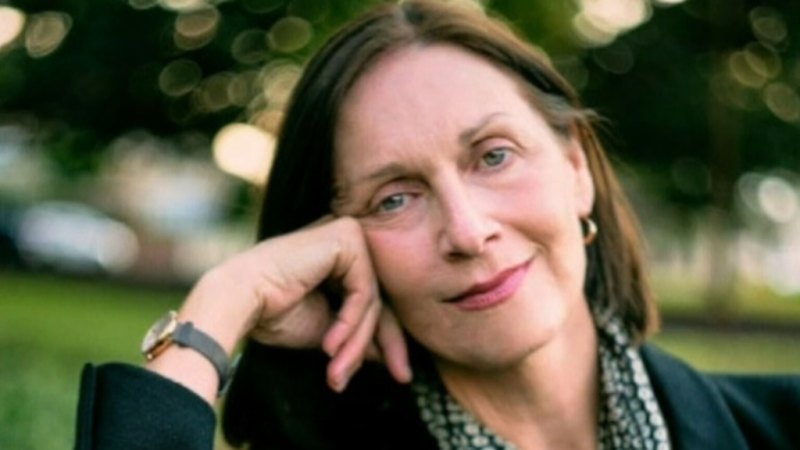
Olivia De Zilva is the author of Plastic Budgie and Eggshell.
Get a weekly wrap of views that will challenge, champion and inform your own. Sign up for our Opinion newsletter.