
 2 months ago
56
2 months ago
56
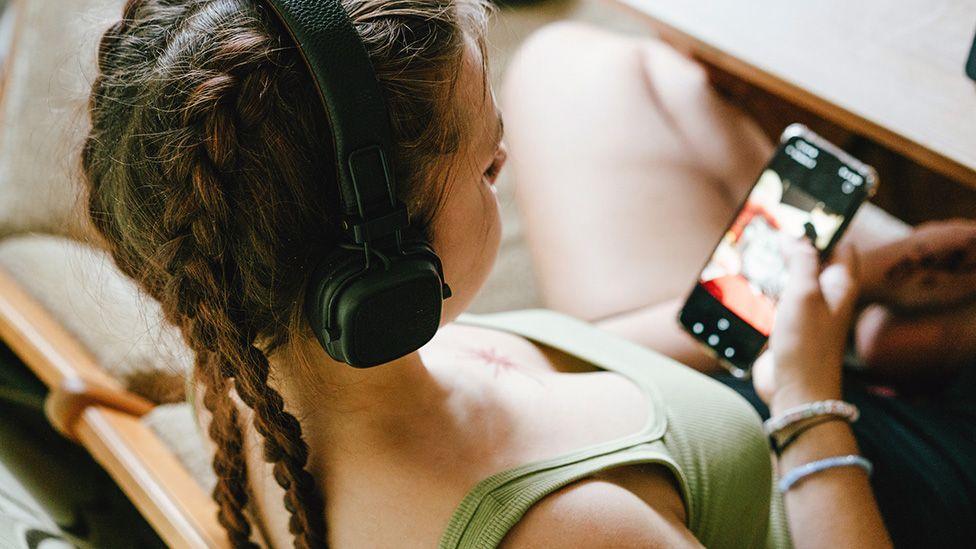 Image source, Getty Images
ByJim Reed
Health reporter
YouTube is still recommending eating disorder videos to teenage users a year after new rules were introduced to curb harmful online content, according to new research.
The Centre for Countering Digital Hate (CCDH) set up a simulated account for a 13-year-old girl viewing unsafe diet and body image content for the first time.
It found one in 10 videos recommended by YouTube's Up Next algorithm featured thinspiration, extreme calorie restriction or other harmful material, although the situation had improved over the past two years.
Google, which owns YouTube, said it had a "steadfast" commitment to stopping the spread of harmful content and the videos highlighted in the report had been removed.
The findings come after telecoms regulator Ofcom said YouTube and TikTok were still not doing enough to keep young people safe and called for stronger protections.
In July 2025 a key part of the government's Online Safety Act came into force, meaning sites like YouTube now have a legal duty to protect under 18s from dangerous content including videos that encourage or promote suicide, self-harm and eating disorders.
Sites must also consider how their algorithms – the computer code which recommends new content to users – could be harmful to young people and mitigate any risks.
If companies do not do this they can be fined up to 10% of their global revenues, which in the case of Google could run into many billions of pounds.
'I'd be constantly on my phone'
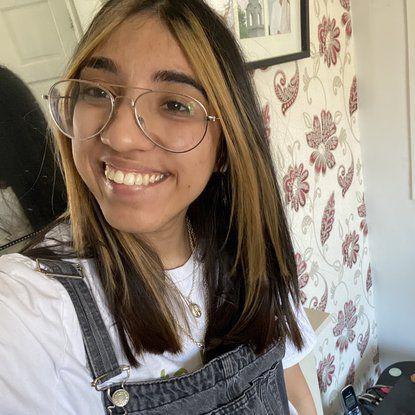 Image source, Jazmin Kaur
Jazmin Kaur says that, while some material on social media sites was helpful, much of it made her feel "a lot worse"
Jazmin Kaur, 22, from Leicester, was diagnosed with anorexia when she was 13 and spent the next six years receiving NHS treatment.
"It all started quite innocently," she said.
"I wanted to get fitter, I wanted to get healthier, so I started going online and took social media very much at face value without understanding the facts."
Eating disorders have complex causes, and online content alone can never explain why someone develops the condition.
Jazmin said that some of the material on YouTube and other sites was helpful but "most of the time it made it a lot worse".
"Every time I left hospital, I'd have my phone with me and I'd constantly be on it," she added.
"I was fed such extreme content towards the end that I took it for my own vulnerabilities," she said.
At university Jazmin decided to delete her social media accounts entirely.
She is now studying for a master's degree in paediatric nursing while working weekends in an adult mental health unit.
'One video still too many'
To compare YouTube's video recommendations before and after the act came into force the CCDH, a non-profit organisation that researches online harms, created a profile representing a 13-year-old girl in the UK.
They viewed 10 potentially harmful videos focused on dieting and body image, mimicking the behaviour of a new user showing interest in that kind of content.
Then they analysed the next 100 videos suggested by YouTube's Up Next algorithm.
In 2026, one in 10 of those recommendations was classified as harmful eating disorder content, an improvement on the one in four identified when the CCDH carried out the same experiment in 2024.
The research was repeated using teen profiles in the US and EU, producing similar results.
Alexandra Johnson, senior research manager at CCDH, said there was "some hope to be gained" from the report as it showed regulation does have an impact.
"But one video is too many and we don't want any of this content to get through, particularly to vulnerable users, where just a small algorithmic nudge can be enough to push them into a very dangerous situation," she said.
Content still being recommended by YouTube included a "thinspo" (short for thinspiration) account showing a compilation of girls idealising extreme thinness; a video which promoted a diet with a daily intake of just 170 calories, far below the healthy level for teens; and a video claiming to help users lose weight subliminally that linked to a document promising "the most emaciated skeletal dainty body eva".
The study also looked at crisis panels – a blue box on YouTube shown beneath a video on a sensitive topic that can direct users to reputable support services.
In 2026, none of the harmful eating disorder videos recommended by YouTube's algorithm triggered a crisis panel, although the warnings did appear on other diet and body image videos the CCDH did not classify as potentially dangerous.
Google said it prohibits YouTube content which encourages or provides instructions on eating disorders "while enabling people to share stories of recovery".
It has now removed the videos featured in the CCDH report for violating its community guidelines.
"The wellbeing of our viewers is our top priority, and we work with experts including the NHS, Mind and the Mix to refine our approach to mental health," a YouTube spokeswoman said.
The site has launched specially curated videos from experts which appear when a teen account searches for a topic such as depression or eating disorders.
The CCDH focused on YouTube for its research because of the site's popularity among children and young people, with Ofcom figures, external showing 88% of 3-17 year olds saying they used it.
Experts describe the relationship between social media and eating disorders as complex.
Supportive online communities and positive content can help reduce feelings of isolation, particularly at a time when many people are struggling to access NHS treatment, said Victoria Longley, chief executive of the eating disorder charity Beat.
However, she said about 90% of the people the charity speaks to report encountering harmful content online.
Beat says that users can, external turn off notifications, use apps that limit the time spent online, or select the "not interested" option on content they do not want to see.
Accounts that share harmful material can also be blocked, muted and, where appropriate, reported.
But Longley argues that, ultimately, responsibility lies with social media sites to ensure their platforms are safe.
In June, the government announced plans to prevent under-16s from accessing major platforms including YouTube, TikTok, Instagram, Snapchat, Facebook and X, with the measures expected to come into force in spring 2027.
If you have been affected by the issues raised in this story help and support is available via the BBC Action Line.

















































