3 months ago
53
3 months ago
53
Opinion

March 14, 2026 — 5:01am
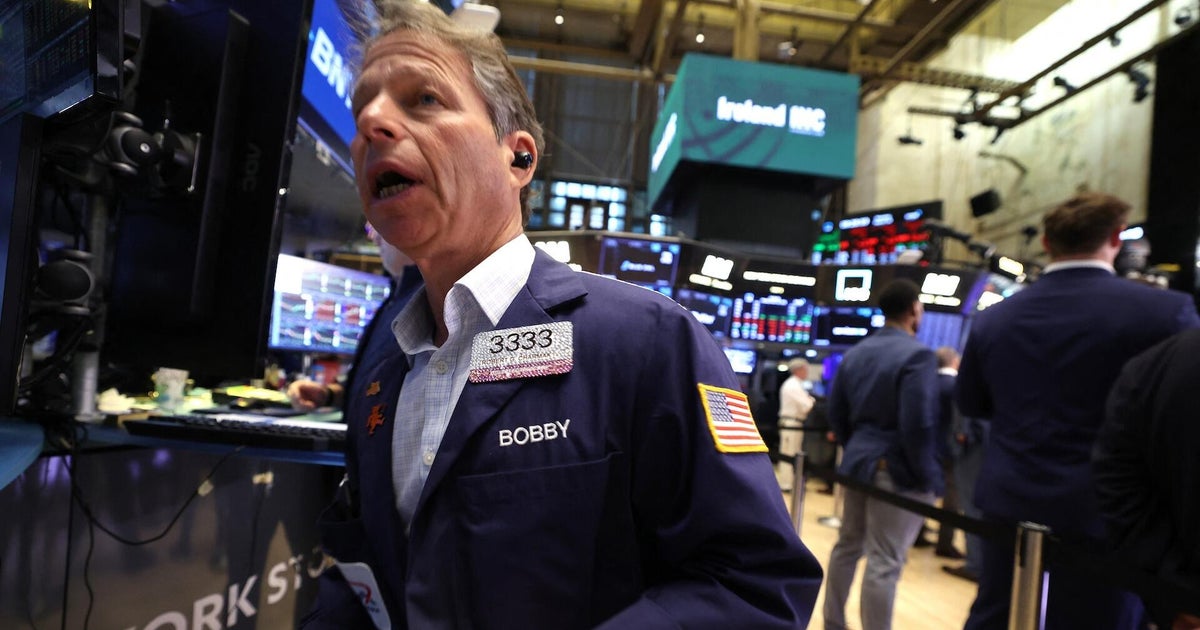
We’re back in the stockmarket washing machine. For many investors that’s just part of the ride. Markets go up, markets go down, and over time they tend to recover.
But for people approaching retirement who might never have thought of themselves as investors, a market shock just before they leap, or early in retirement, can also become a personal financial shock. Especially if they haven’t thought through how they will fund their short and medium-term spending before markets tumble.
And then they reach that moment, maybe 10 or 12 days into a war, an economic crisis or a market meltdown, when it suddenly looks like this might not be a short-lived wobble.
So they start asking the big questions: Should they sell and sit on the sidelines? Should they move everything to more conservative investments? If I don’t already have a financial adviser, who do I ask? Friends? The internet? The call centre at my super fund?
It’s a tough reality for many this week. So let’s step back and talk sensibly about what’s actually going on, and what your options are.
One of the most important ideas to understand if you’re approaching retirement is something called sequencing risk. It sounds technical, but the concept is actually basic. Sequencing risk is the danger that a major market downturn happens right when you start drawing income from your savings.
If market wobbles continue for a while and your savings stay depressed, it might be wise to consider keeping working for another year or two.
During your working life, market falls are uncomfortable but not necessarily harmful. You’re still contributing to super and buying investments at lower prices. But retirement flips that equation. Instead of putting money into the market, you’re taking money out.
And if markets fall sharply during those early retirement years, you may end up selling investments at depressed prices to fund your living costs. That locks in losses and leaves less capital invested when markets eventually recover.
This is why financial experts often say the first five to ten years of retirement are the most important and the most fragile, financially. It’s not just about how markets perform over 20 or 30 years. It’s about when the bad years happen within your life cycle and retirement cycle.
A simple way to think about it
Let’s say two retirees each start retirement with $1 million invested and withdraw $50,000 a year to live on. Over the next decade, they both experience the same average market return of about 5 per cent per year. But the order of those returns is different.
Robert hits a market slump straight away. His investments fall 20 per cent in the first year and another 10 per cent in the second year before markets begin to recover. After those early losses, and two years of withdrawals, his portfolio has already fallen to roughly $650,000.
Even when markets recover later, he is rebuilding from a much lower base.
Jenny enjoys the same market returns but in the reverse order. Her investments rise in the early years before the downturn arrives later in retirement. After a few good years, her portfolio grows to around $1.25 million before the weaker years hit her.
When the market eventually falls, they are withdrawing money from a much larger pool of capital. Both retirees had the same long-term returns, and the same withdrawal amounts but because of the ‘sequencing’ of the market drops, they get entirely different outcomes.
After 10 years, Robert might have around $500,000 left, while Jenny could still have close to $900,000. That difference, caused purely by the timing of market returns, is sequencing risk in action.
So what can you do to manage your risk? You can’t control when markets fall. But you can control how much pressure you put on your portfolio when they do.
Avoid making a big fear-based switch: A common reaction during market shocks is to move everything into cash or very conservative investments. The problem is that this can lock in losses just before markets recover. Some of the worst long-term outcomes come from decisions made in moments of panic.
History also shows that markets often recover faster than people expect. Many economists point out that in the 12 months following major geopolitical shocks or wars in recent decades, share markets have frequently ended up higher.
That doesn’t mean the path will be smooth. It probably won’t. But it is a reminder that making big investment decisions in the middle of fear can be costly.
Consider a bucket strategy: A lot of pre-retirees and retirees structure their savings so that a portion is set aside for short-term spending, with the rest invested for longer-term growth.
Practically, this means keeping a few years of spending in safer assets like cash or defensive investments, while leaving the rest invested in growth assets such as shares. Then, if markets fall, you draw from the more defensive bucket rather than selling long-term investments at depressed prices.
For people already in the middle of this market turbulence, it may be too late to fully set this up, but it’s an important lesson for anyone approaching retirement.
Delay significant discretionary spending: If markets are falling early in retirement, it may be sensible to postpone large discretionary expenses that might require you to cash out. Delaying a renovation, a new car or an expensive trip can reduce the need to sell investments at exactly the wrong time.
Consider working a little longer: Finally, the toughest one. For some people, if the washing-machine of a market continues for a while and their savings values stay depressed, then it might be wise to consider extending your working life for another year or two.
Even a part-time income can make a meaningful difference to the amount you might need to draw down from your super or investments that are sitting at a lower value than they’ve been.
The truth we all need to recognise is that markets will always find a reason to panic. Things like war, inflation, interest rates, elections, recessions will all happen again and again, and while the headlines change, the volatility never really disappears for long.
The real question for retirees isn’t whether markets will wobble. Because they will. The question is whether your retirement plan is built to survive the wobbles.
Bec Wilson is author of the bestseller How to Have an Epic Retirement and the newly released Prime Time: 27 Lessons for the New Midlife. She writes a weekly newsletter at epicretirement.net and hosts the Prime Time podcast.
- Advice given in this article is general in nature and is not intended to influence readers’ decisions about investing or financial products. They should always seek their own professional advice that takes into account their own personal circumstances before making any financial decisions.
Expert tips on how to save, invest and make the most of your money delivered to your inbox every Sunday. Sign up for our Real Money newsletter.