2 months ago
20
2 months ago
20
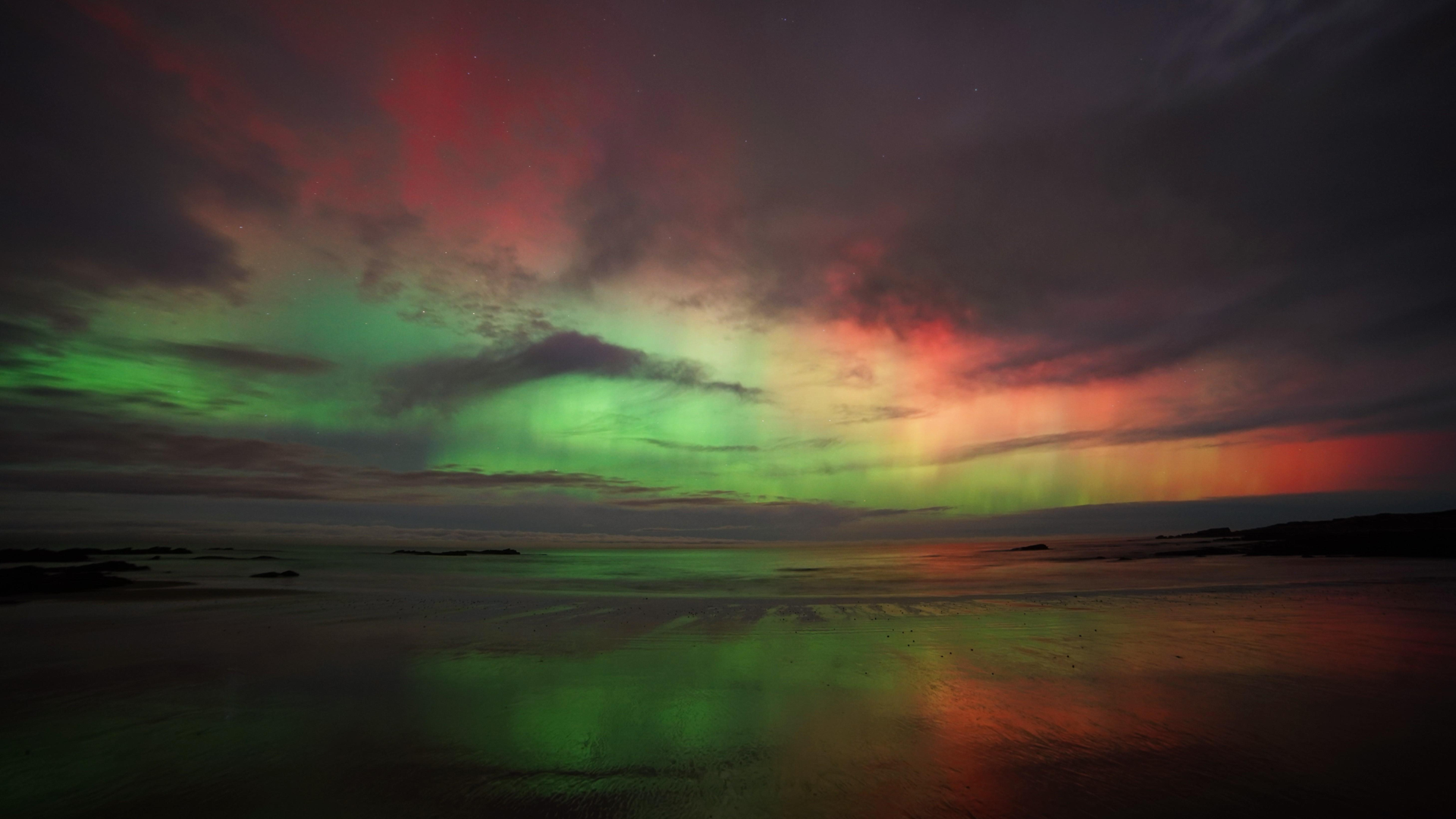
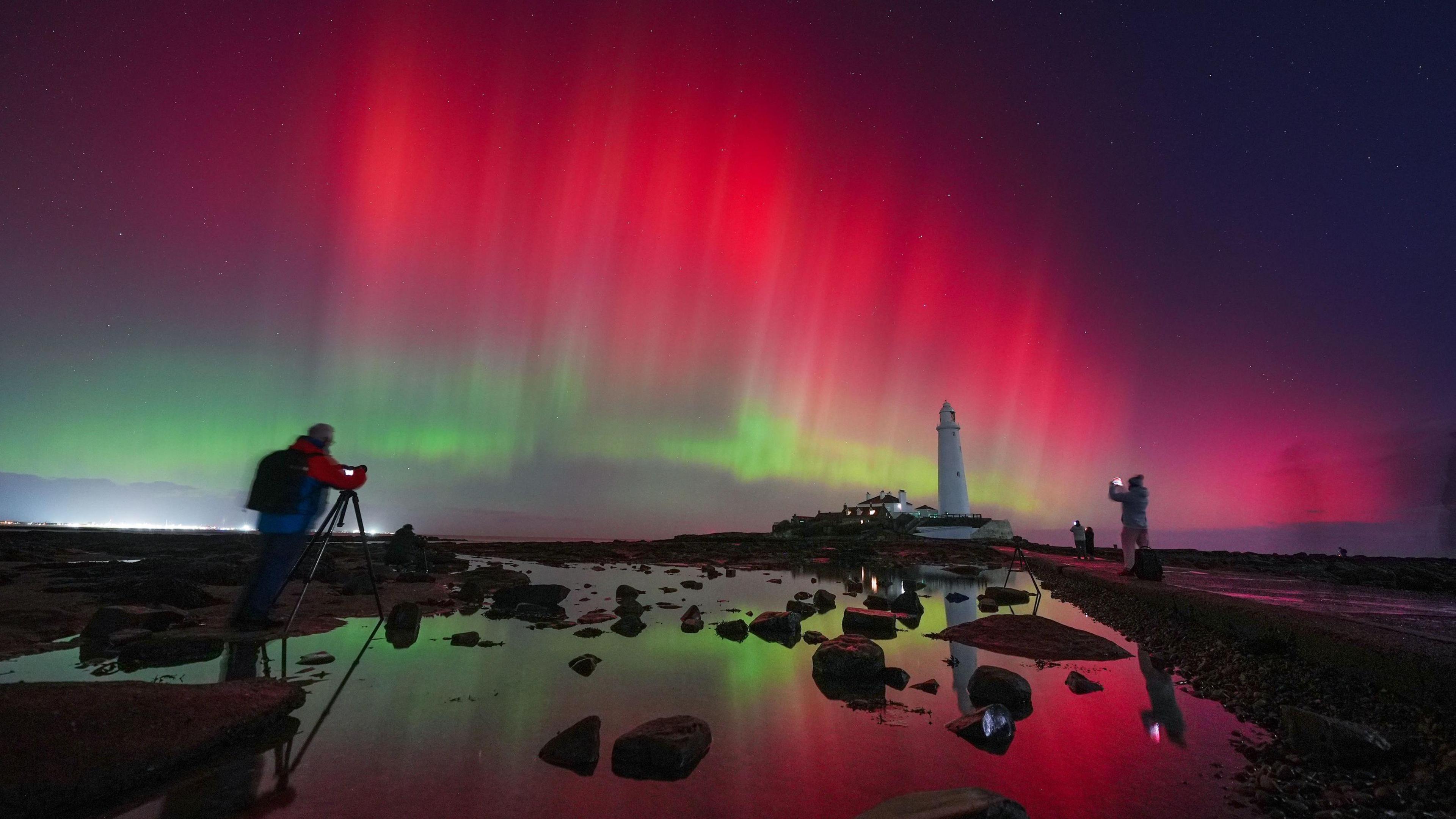 Image source, Owen Humphreys/PA Wire
A spectacular glimpse of the Northern Lights in Northumberland in November
BySimon King
Lead Weather Presenter
In 2026, there is a good chance that the vivid purples, reds and greens of the Northern Lights will be visible in skies across the UK.
Over the past couple of years, the Sun has been in a heightened state of activity as part of its natural cycle. While the peak of this cycle was observed late 2024, we can still expect more major solar events in the year ahead.
In mid-November 2025, a large solar flare erupted from the surface of the Sun, resulting in a spectacular display of the Northern Lights in the UK.
That was not the only time we were treated to dazzling displays of brightly lit skies - sometimes as far south as Devon and Cornwall.
The Sun has an 11-year cycle, ranging from periods with few sunspots and low activity, to times with many sunspots that produce increased activity and energy.
During the peak of the current cycle, which Nasa confirmed occurred in October 2024, a higher number of sunspots led to more frequent eruptions of solar flares and coronal mass ejections.
These events send powerful bursts of energy and charged material into space, causing, among other effects, the auroras we observe from Earth.
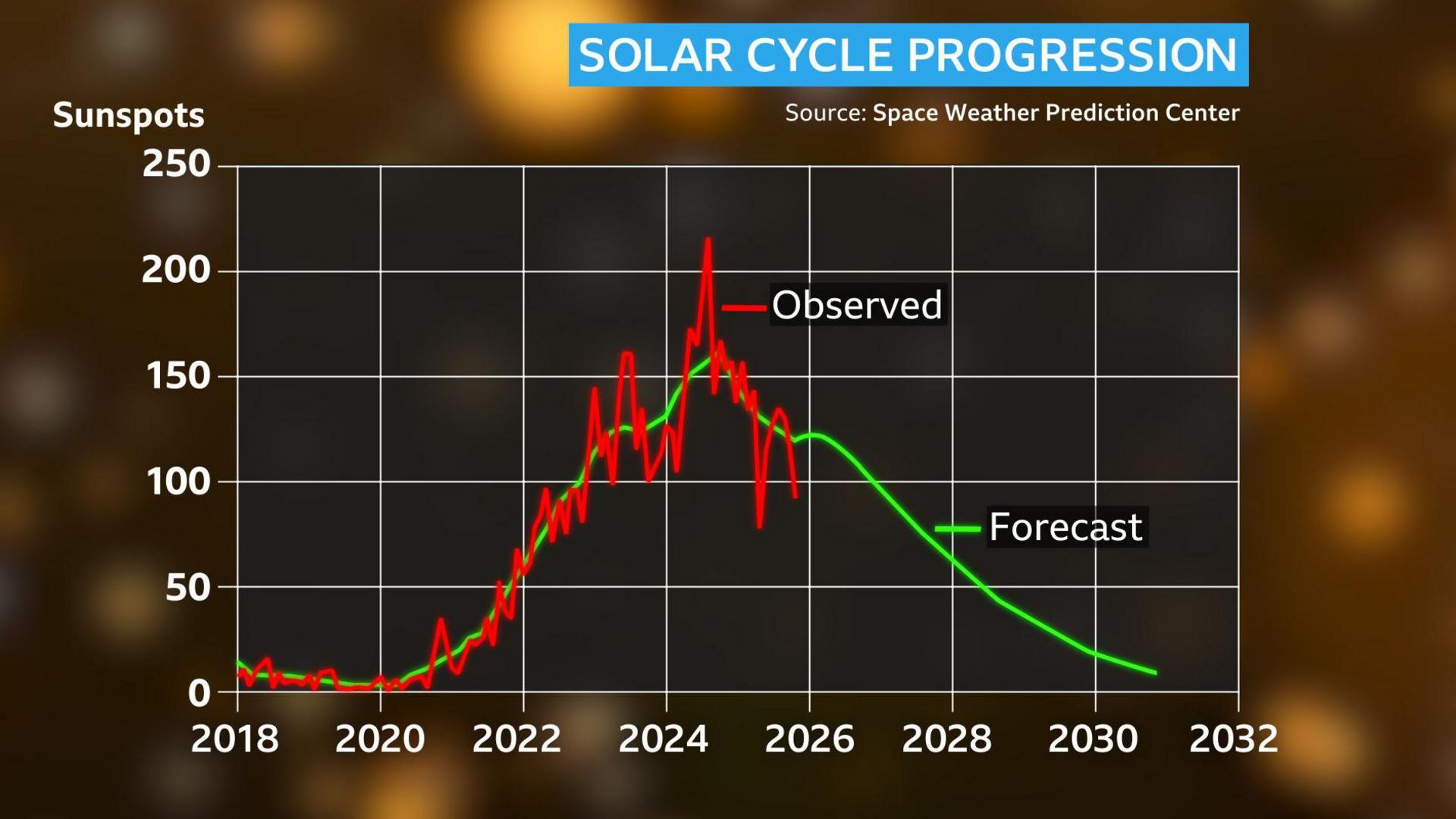
Solar activity reached a peak in late 2024 and in its 11-year cycle, the solar minimum is expected around 2031/32.
Large solar flares
On 11 November, a large solar flare measuring X5.1 - on a scale that runs from X1 to X10 and beyond - was observed on the Sun. It released a huge amount of energy towards Earth, resulting in one of the best aurora displays of the year, with sightings even reported in southern England.
While this was the strongest flare of 2025, it did not come close to the spectacular events of May and October 2024, when X8.8 and X9 solar flares were recorded respectively.
Although we are now past the peak of the current solar cycle and heading towards "solar minimum", expected around 2031-32, solar activity will remain relatively high through 2026.
Even in a quieter year, it only takes one large solar flare or a coronal mass ejection directed towards Earth to produce a stunning Northern Lights display across the UK.
The spring and autumn equinoxes can also bring a slight increase in activity due to the alignment of the Sun and Earth - what's known as the Russell-McPherron effect.
This means you are roughly twice as likely to see the aurora at these times of year.
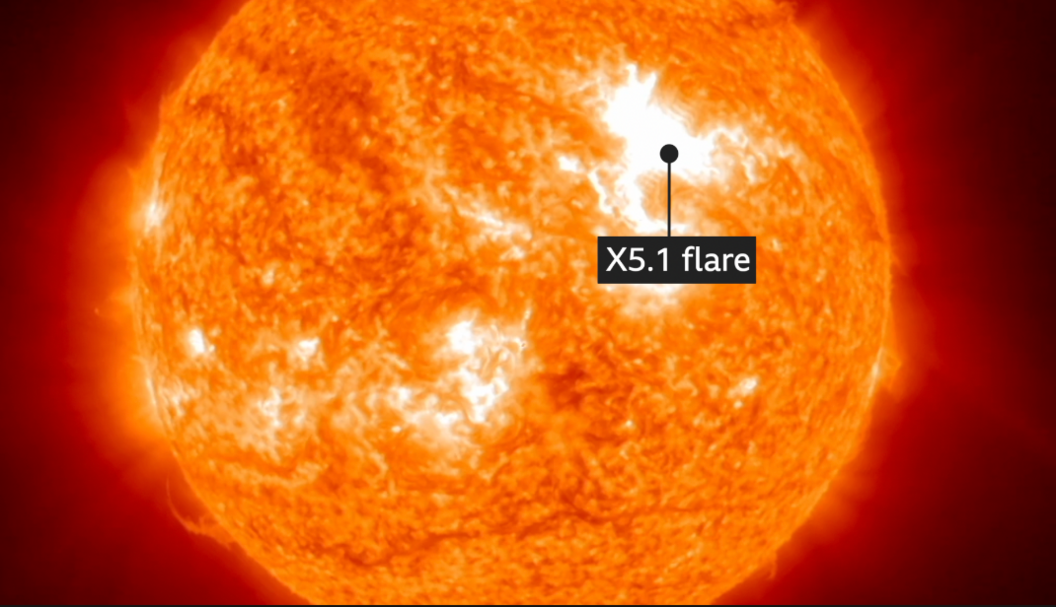 Image source, NASA
A large solar flare was observed on the Sun in November 2025, sending a significant amount of energy toward Earth and resulting in a display of the Northern Lights.
Improved technology and forecasting
While seeing the Northern Lights may once have involved a trip to the Arctic Circle, there have been many more apparent sightings in the UK in recent years.
This is partly due to better technology, forecasting and communication. Today, numerous satellites monitor the Sun, measuring the solar wind and the energy it emits, giving us a better understanding of solar activity and earlier warnings when it increases.
This, in turn, helps forecasters predict when there may be impacts on Earth - including the chances of seeing the aurora.
And most of us now have a camera on our phones capable of capturing a decent image of even a weaker Northern Lights display, which we can easily share on social media or with BBC Weather Watchers.
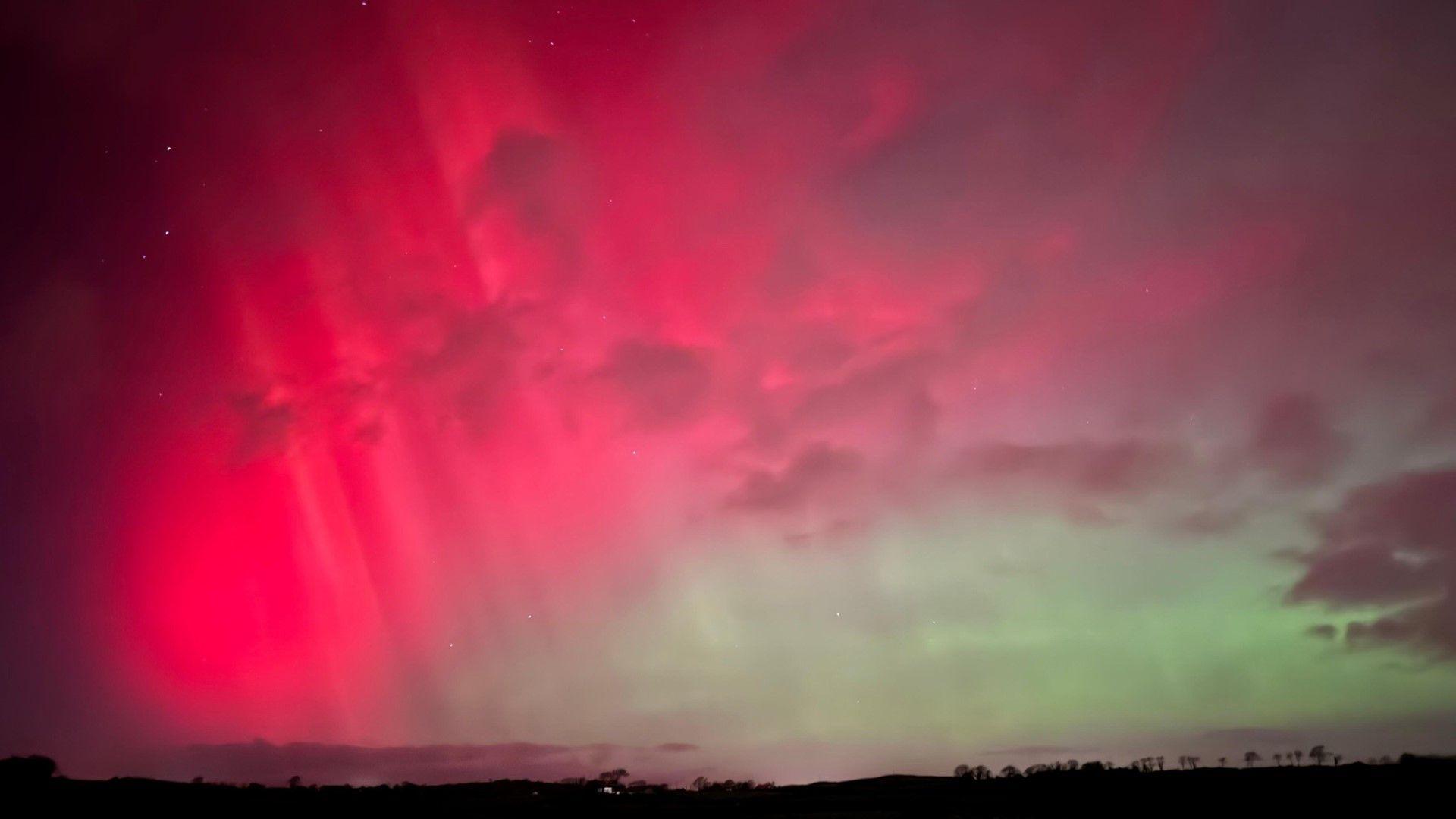
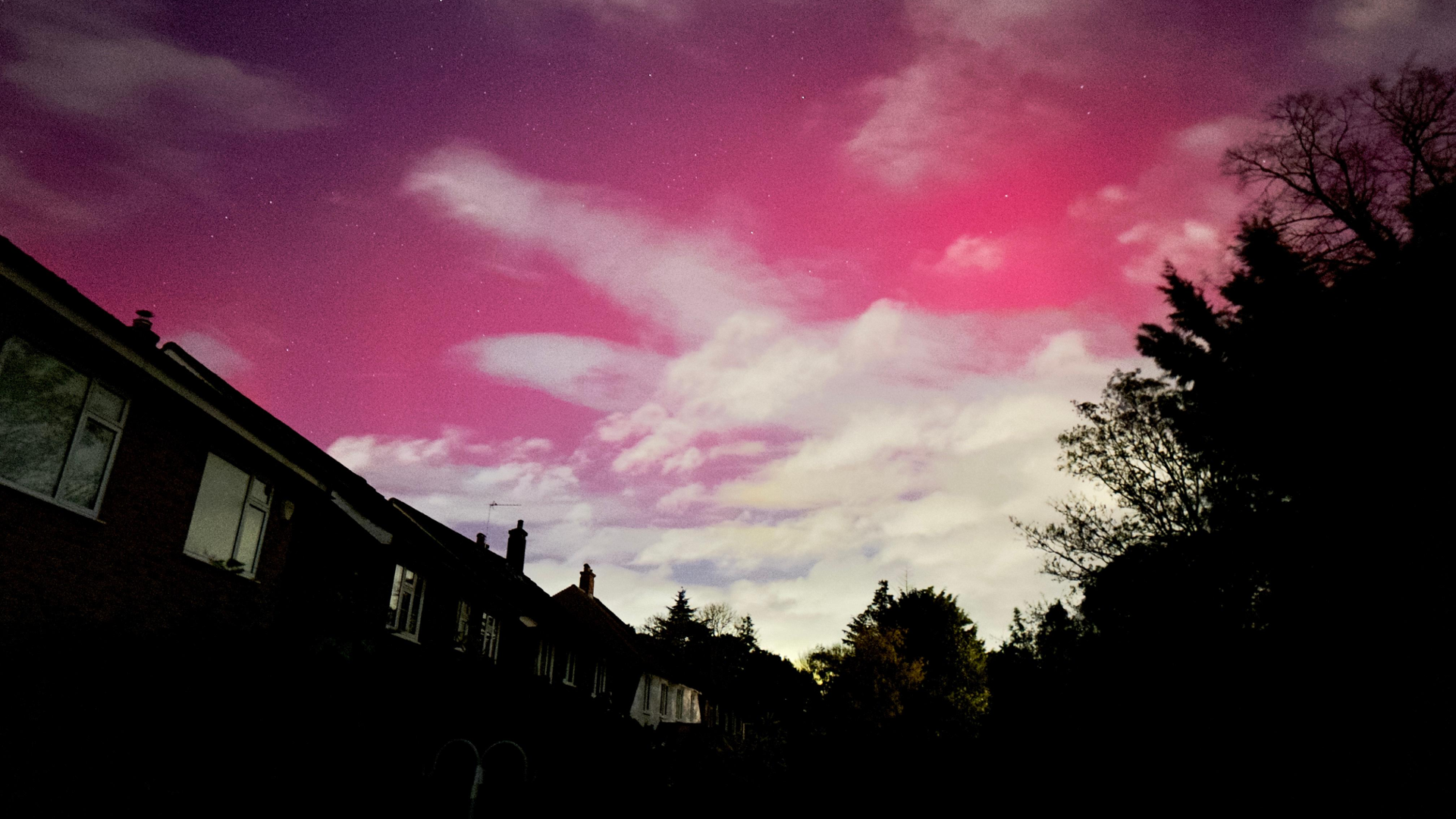
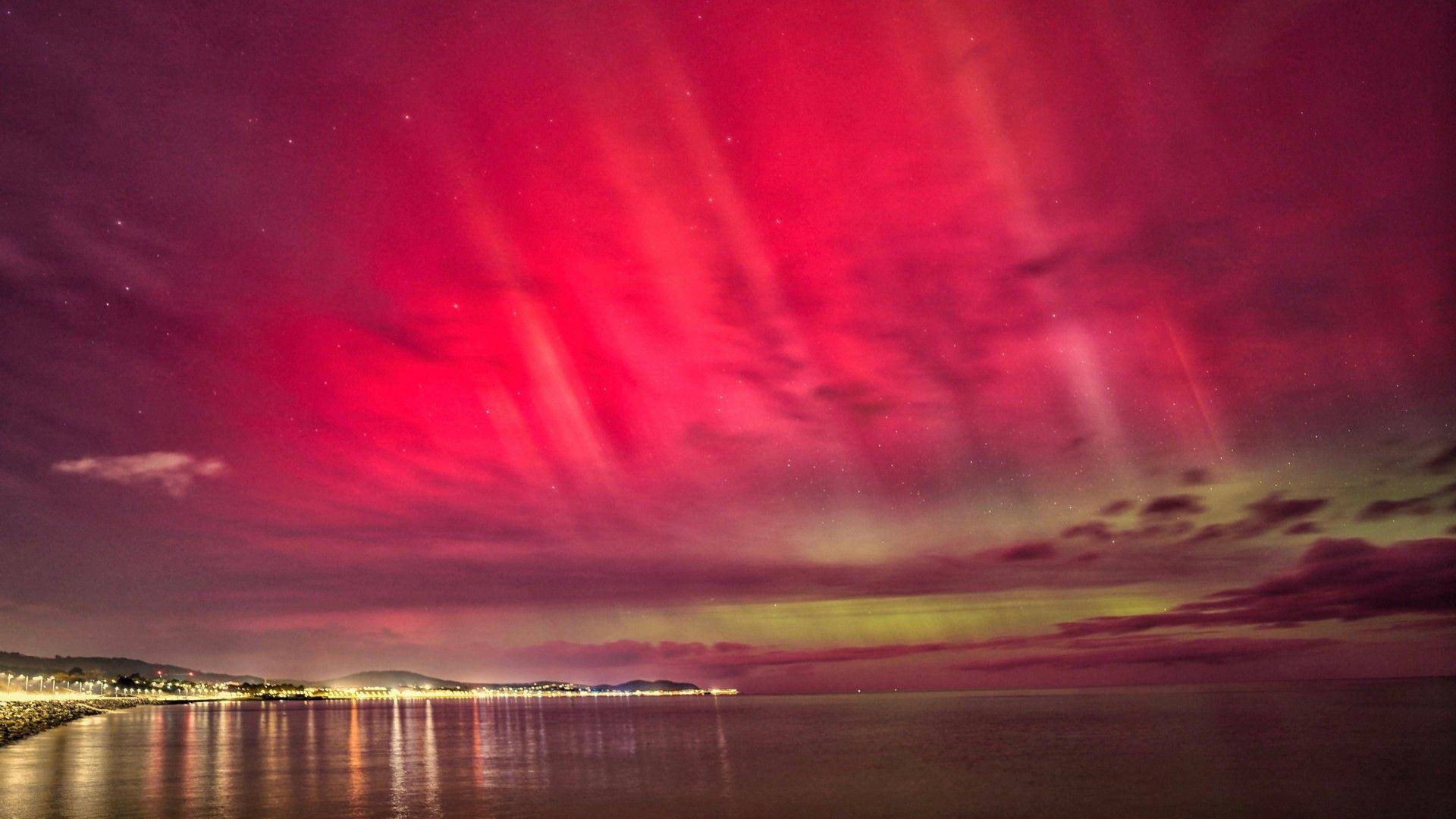
These photos were taken by BBC Weather Watchers in November 2025.
- Image caption,
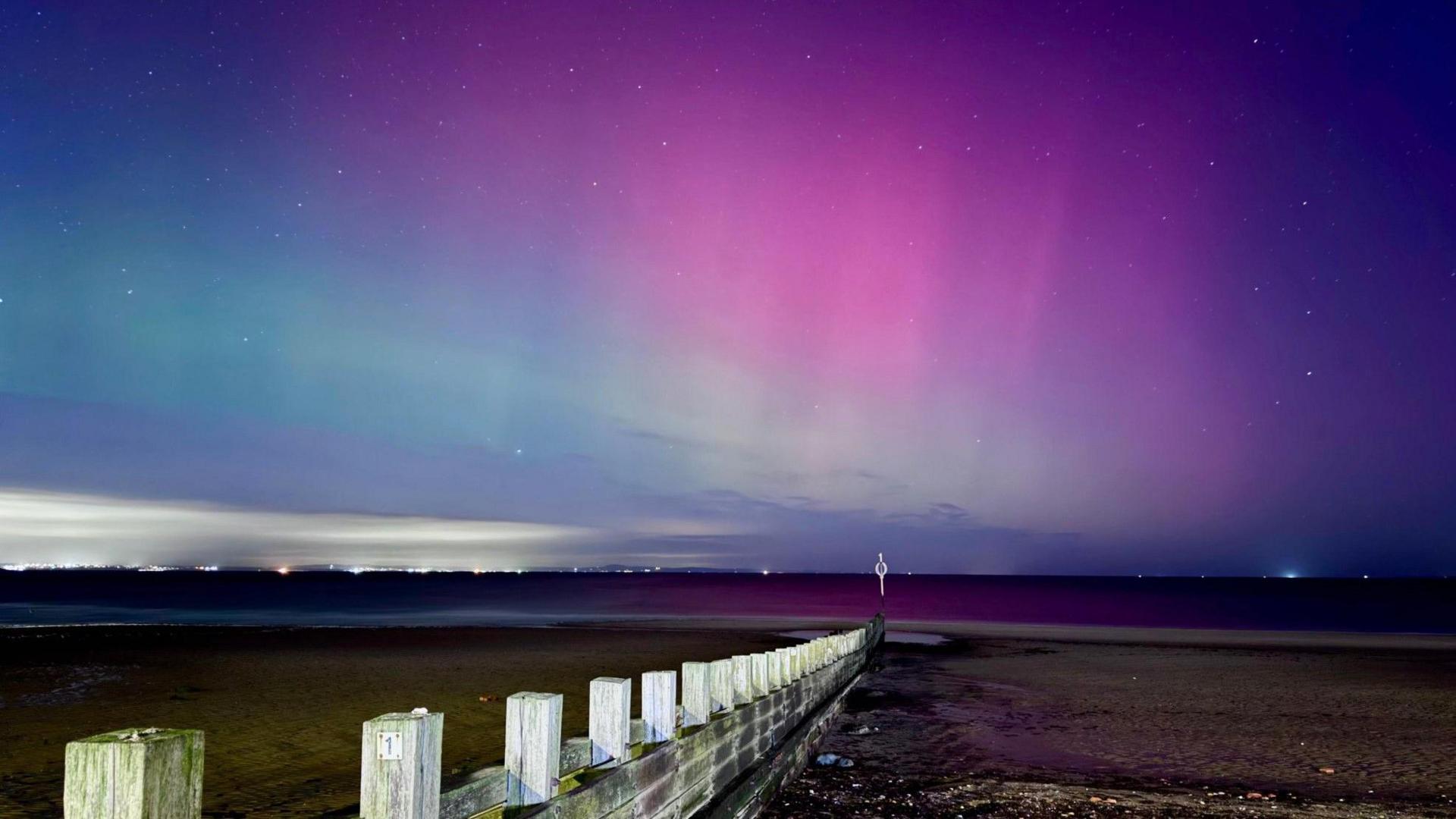
Image source, BBC WEATHER WATCHERS/Shona McMillan
Northern lights at Portobello, Edinburgh