3 months ago
26
3 months ago
26
It’s been a year of seed oil hysteria, wellness quackery, wearable tech getting techier, protein mania, sprinting and “lifting heavy”, as well as the spotlight being shone on the seedy underbelly of ultraprocessed foods and vitamins (unless you have a deficiency, don’t waste your precious cash).
What exciting and wacky health trends can we look forward to in the year ahead? I asked five experts for their take.
What stood out was one thing: for better or worse, GLP-1-based medications like Ozempic are changing the landscape from nutrition to fitness and beyond.
“This is the big one, I think, for 2026,” says Trent Rigby, a consumer analyst and director of Retail Customer Advisory. “In the US, we’ve recently seen obesity rates in adults decline for the first time in decades linked to this. Availability and cost are still barriers here in Australia, but these are improving.”
By 2030, it is estimated that 1.13 billion of the global population will be obese (up 115 per cent from 2010) and about 110 per cent of the population in the US will be on obesity drugs.
“Take-up numbers should be similar here in Australia,” says Rigby. “I see GLP-1s influencing everything from food, fitness, apparel and wellness industries.”
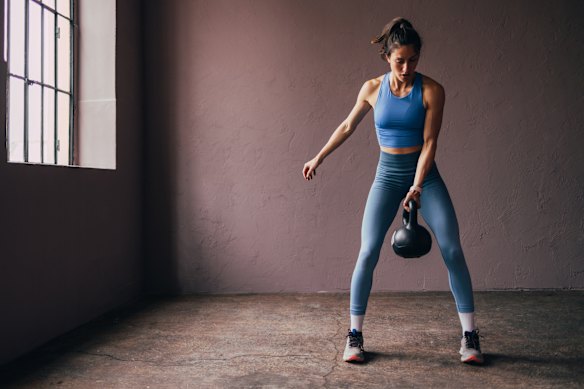
Resistance training is among the top fitness trends of the year ahead. Credit: Getty Images
A pivot in fitness trends
Wearable technology is the number-one fitness trend for 2026, according to the American College of Sports Medicine. Its continued evolution means wearables can now do far more than track your steps and heart rate. Features are as varied as fall or crash detection, heart rhythm, blood pressure, blood glucose and skin temperature. This can benefit everyone from people in rehabilitation to fitness beginners, athletes to ageing adults.
Beyond wearables, the star across the rest of the predicted fitness trends was resistance exercise.
It is critical for active ageing (in 2026, more than 22 per cent of Australians will be aged over 65), for preventing the significant loss of lean mass that accompanies GLP-1 weight loss (up to 60 per cent of total weight loss is lean mass), for balance and injury prevention, as well as for functional fitness.
Loading
Yet only about 40 per cent of Australians meet the recommendations of twice-weekly strength training.
“It’s really wonderful to see the emphasis on resistance training,” says strength coach and exercise physiologist Dr Tony Boutagy.
Once the domain of bodybuilders, resistance training will become an even stronger trend next year.
“There is now so much robust data to indicate that resistance training is effective at improving bone mineral density, stopping the age-related loss in muscle mass, strength and power, and also improving metabolic health, such as glucose regulation,” says Boutagy.
“It’s no longer about aesthetics or gym culture – it’s about longevity, injury prevention and staying functional,” adds Rigby. “Next year, I think we’ll look back and realise cardio-first fitness was a hangover from another era. Gyms, apps and programs are already pivoting hard toward muscle, bone density and resilience.”
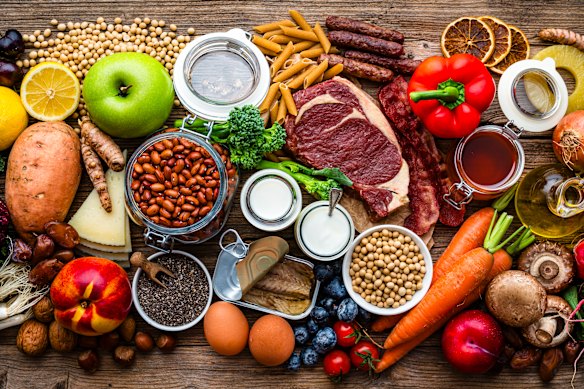
We can’t get enough protein. And 2026 will be no different.Credit: Getty Images
Protein hasn’t peaked
If you thought protein had peaked in 2025 (or 2024 when it was the most talked-about macro of the year) – and, truly, I didn’t think we could pack any more protein in – then you (and I) were wrong.
Loading
According to trade publication FoodNavigator, we’ll see protein soft drinks as well as “protein-plus” products, which are products with high-protein, plus a functional ingredient such as fibre.
Obesity drugs are driving the interest in protein, as protein helps to maintain muscle mass among those losing weight.
Accredited practising dietitian Dr Joanna McMillan says protein is “here to stay”.
“Much of it is good – people using GLP-1 mimics, menopause, getting older ... So many areas of life where we do indeed need extra protein,” she says, before issuing a warning: “I just don’t see that we need it in our water or our chips. Adding a nutrient, protein or anything else, doesn’t turn a food into a health food.”
The high-protein foods that don’t come with ridiculous claims include meat and seafood, eggs and dairy, beans and tofu.
Beyond protein, accredited dietitian and nutrition researcher Danielle Shine anticipates continued growth in “personalised nutrition”, using genomics, microbiome or metabolic markers.
“The science supporting these approaches is still in its infancy, so I don’t endorse them for general use,” she says. “Nevertheless, I expect brands will continue to promote them aggressively, given the strong financial incentives.”

A focus on active ageing is predicted to be a trend in the new year.Credit: Getty Images
Active ageing
With an ageing, cashed-up population, experts forecast 2026 (and beyond) as the year of the Boomers.
So-called “positive ageing” is among the top trends of the year ahead, according to global market insights firm, Innova.
What on earth is positive ageing? A proactive and holistic approach for consumers across all generations, they say, noting that 73 per cent of global consumers consider healthy ageing as extremely or very important.
Consumer analyst Trent Rigby agrees with their assessment.
“Baby Boomers are usually overlooked from brands and marketers, but a lot of health and fitness brands are now standing up and taking notice,” he says. “In 2026 we expect to see further growth in fitness programs tailored to older adults – particularly strength and mobility training, preventative health and recovery are all growing fast.”
Nutrition and apparel brands are also focusing on older consumers.
Loading
Though there may be positives, Shine warns that the concept of positive or active ageing can be easily co-opted to legitimise supplements and non-evidence-based wellness approaches.
“In generally well-nourished populations, routine supplementation rarely improves health outcomes or prevents age-related decline,” she says.
Professor Luigi Fontana says there is an evidence-based foundation for improving longevity and resilience.
The miracle elixir? A nutrient-dense, minimally processed, plant-rich dietary pattern, combined with adequate high-quality protein, physical activity, good sleep, and enhancement of social and emotional health.
“Decades of longevity research consistently show that sustainable benefits come from coherent mechanisms-based dietary patterns and healthy lifestyles, not isolated interventions,” says Fontana, the scientific director of Sydney’s Charles Perkins Centre Royal Prince Alfred Clinic.

Mental fitness involves developing skills and strategies to soothe ourselves. Credit: Getty Images
Strengthening mental fitness
More of us are considering the effects of our diet on our mental health, a trend which analysts refer to as “mental nourishment”. In fact, according to market insights group Innova, 27 per cent of consumers have changed their diet or nutrition to manage their mental health.
“It’s positive that people are acknowledging the link between nutrition and mental health, but food and supplements alone can’t carry the weight of emotional regulation,” says Smiling Mind chief executive Sarah La Roche.
Loading
“In 2026, we’ll see a clearer distinction between mental nourishment and mental fitness. Mental fitness is about building the skills to respond to stress, not just soothing it.”
La Roche anticipates people embracing mental fitness the same way we approach physical fitness: “Not waiting until something is wrong, but practising regularly to stay well.”
She adds: “Mental fitness is about building skills like attention, emotional regulation and self-compassion, so when life gets hard, as it inevitably does, we’re better equipped to cope.”
What does that look like in practice? Short, accessible daily exercises; low-cost, digital tools as first-line support; and less stigma, more skill-building.
Make the most of your health, relationships, fitness and nutrition with our Live Well newsletter. Get it in your inbox every Monday.
Most Viewed in Lifestyle
Loading