3 months ago
44
3 months ago
44
What you need to know
By
Welcome to our ongoing coverage of the war in the Middle East as the US and Israel continue to pound targets in Iran and Lebanon, and Iran retaliates. Here’s where we’re at as we move into Tuesday:
- Mojtaba Khamenei, the son of the late supreme leader Ali Khamenei, was named Iran’s new leader. Russian President Vladimir Putin was one of the first – and only – world leaders to offer congratulations.
- Global sharemarkets tumbled as the price of oil soared and Iranian forces limit oil tanker shipments through the Strait of Hormuz. The ASX closed down 2.85 per cent on Monday and petrol prices continued to rise.
- The United Nations estimated that more than 1300 people have been killed in Iran since the US and Israel launched their initial attack. More than 300 people have been killed in Israeli strikes on Lebanon, the country’s health minister said. In Israel, at least 12 have been killed, while seven US military personnel have also lost their lives.
- The Australian government is considering a request to supply aircraft to help protect Gulf states from Iranian attacks.
- The Israeli military said it struck and “destroyed” the headquarters of Iran’s air force in Tehran. Israeli and American airstrikes also hit key fuel depots in Tehran.
Stay with us as we follow these developments and more.
Latest Posts
Australia considers sending aircraft to defend Gulf states
By
Australia’s most sophisticated military surveillance plane could be deployed to the Middle East after Gulf nations asked for help to defend themselves against Iranian drone and missile attacks.
The federal government has yet to announce which countries in particular have requested assistance and what capabilities Australia could provide.
However, the United Arab Emirates – where thousands of Australians have been stranded since the war between Israel, the United States and Iran erupted – has been seen as one of the most likely countries to receive support from Australia.
Matthew Knott takes a closer look at the E-7A Wedgetail surveillance aircraft, which is a likely candidate for deployment if Australia does, in fact, send military assets for this purpose.
Qatar calls for cool heads
By Lynette Eyb
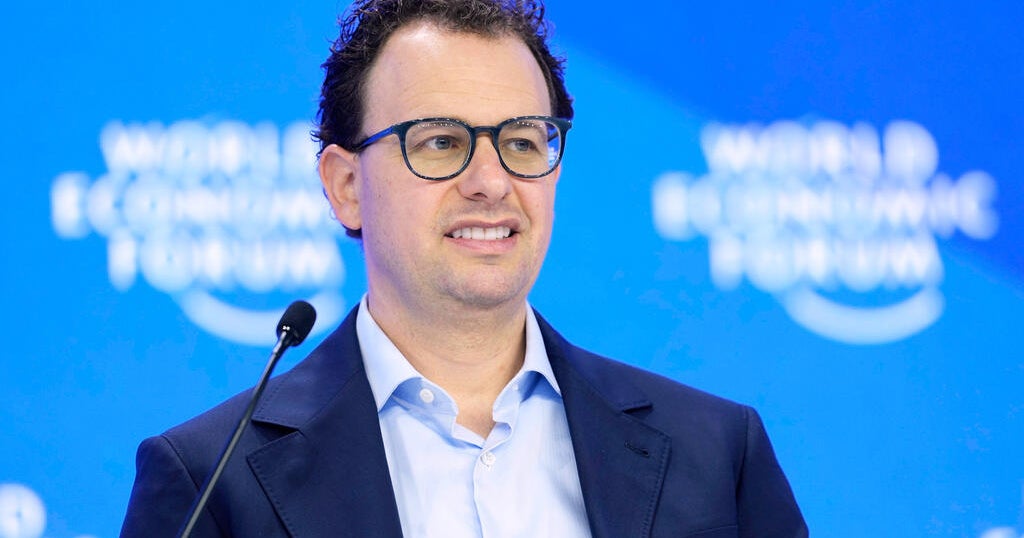
Qatari Prime Minister Sheikh Mohammed bin Abdulrahman al-Thani gave an interview to Sky News UK earlier today (AEDT) urging all sides involved in the conflict to de-escalate.
A key takeaway was his comment that Iran had lost the trust of Qatar by striking Gulf countries. He said that it was clear the Iranian attacks on Gulf states were part of a premeditated retaliation plan given how swiftly they followed the initial US-Israeli strikes on Tehran.
He then called for cool heads. “We will continue talking to the Iranians, we will continue trying to seek de-escalation,” he said. “For the US, we would like to see a de-escalation, we would like to see ... a diplomatic solution that addresses our concerns as well as their concerns.
“We need to ensure, first, that Iran should stop all attacks against Gulf countries and other countries that they are attacking.”
A day of panic on the markets
By
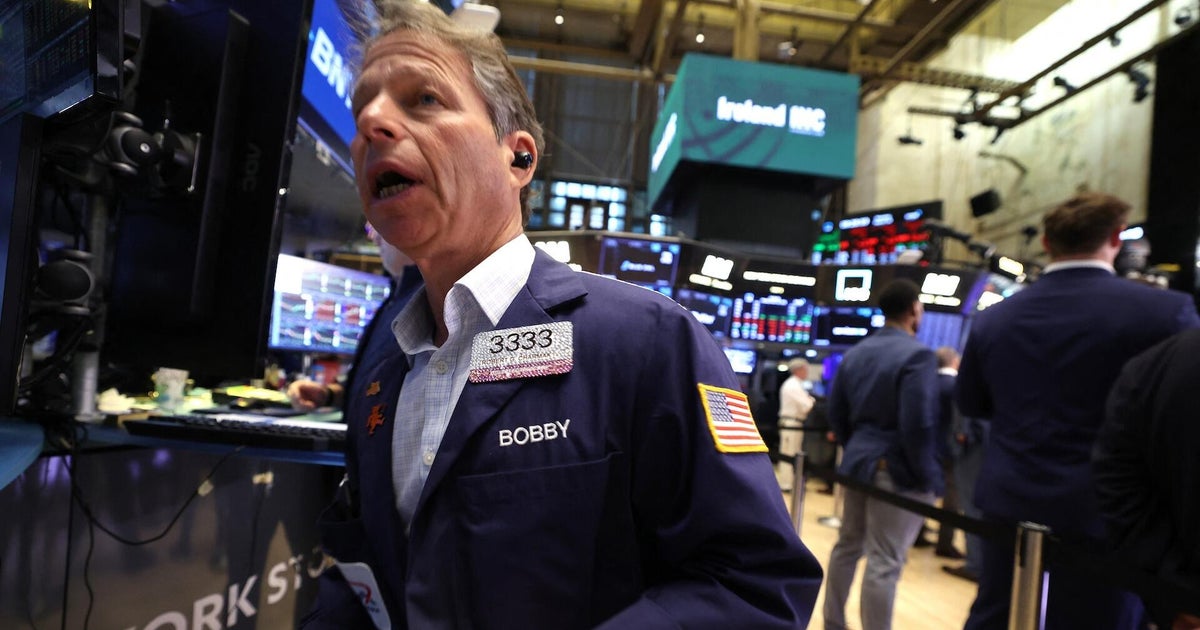
The global economy is facing its biggest shock since the pandemic after oil prices soared well beyond $US100 a barrel and $80 billion was wiped from the Australian sharemarket.
A day of panic across commodity and equity markets, which at one point saw the ASX200 down by more than $110 billion, was prompted by fears that oil and gas production out of the Middle East will be dramatically curtailed as refineries close or come under attack.
Simon Johanson and Shane Wright have this wrap of the chaos unleashed on markets today.
Oil prices start hurting at home
By
Aside from confirmation of Iran’s new leader, the other big news today was the chaos on international markets – driven by oil prices, which rose at one point today to almost $US120 per barrel as the war intensified.
The price for a barrel of Brent crude, the international standard, surged to $US119.50 per barrel early in the day, but was later trading at $US107.80 a barrel.
West Texas Intermediate, the light, sweet crude oil produced in the United States, spiked at $US119.48 a barrel before falling back to $US103 a barrel.
The war is threatening oil production as well as shipping in the Middle East – and pummelling financial markets in the process.
This is all having an impact on prices at petrol bowsers here in Australia.
Ceasefire not on the table: Iran’s foreign ministry
By
Reuters has reported Iran’s foreign affairs spokesman, Esmaeil Baghaei, as saying there is no point talking about a ceasefire while the US and Israel continue their bombardment. Only “defence and retaliation” were in play for Iran, he said.
US President Donald Trump has said the US-Israeli campaign could last five or six weeks – or longer; he’s also said that wars could be fought forever, so that pretty much covers all options right now.
Putin congratulates new supreme leader
By
Russian President Vladimir Putin has become one of the first – and only – world leaders to congratulate Mojtaba Khamenei on his appointment as Iran’s supreme leader.
Putin said he was confident Khamenei would continue his father’s work “with honour” and unite the Iranian people “in the face of severe trials.”
He added that Russia would continue to stand by Tehran, saying he wished to “confirm unwavering support for Tehran and solidarity with our Iranian friends.”
‘The Great Satan’: How the era of the ayatollahs began
By
If you’re just catching up today, the biggest news to come out of Tehran is that Iran has a new supreme leader, only its third in nearly half a century.
Mojtaba Khamenei, 56, will take over from his father, Ali Khamenei, who was killed in airstrikes during the initial US-Israeli bombardment of Tehran last weekend.
The younger Khamenei, a hard-line cleric like his father, has close ties to the country’s all-powerful paramilitary Revolutionary Guard.
Here’s a great explainer from Angus Holland on how the ayatollahs came to power – held on to it.
What you need to know
By
Welcome to our ongoing coverage of the war in the Middle East as the US and Israel continue to pound targets in Iran and Lebanon, and Iran retaliates. Here’s where we’re at as we move into Tuesday:
- Mojtaba Khamenei, the son of the late supreme leader Ali Khamenei, was named Iran’s new leader. Russian President Vladimir Putin was one of the first – and only – world leaders to offer congratulations.
- Global sharemarkets tumbled as the price of oil soared and Iranian forces limit oil tanker shipments through the Strait of Hormuz. The ASX closed down 2.85 per cent on Monday and petrol prices continued to rise.
- The United Nations estimated that more than 1300 people have been killed in Iran since the US and Israel launched their initial attack. More than 300 people have been killed in Israeli strikes on Lebanon, the country’s health minister said. In Israel, at least 12 have been killed, while seven US military personnel have also lost their lives.
- The Australian government is considering a request to supply aircraft to help protect Gulf states from Iranian attacks.
- The Israeli military said it struck and “destroyed” the headquarters of Iran’s air force in Tehran. Israeli and American airstrikes also hit key fuel depots in Tehran.
Stay with us as we follow these developments and more.
1 of 1