3 months ago
36
3 months ago
36

United States President Donald Trump has not asked Australia to send a warship to the Strait of Hormuz as he seeks to rally a multinational coalition to protect the global oil trade and any such request would probably be greeted warily by the Albanese government.
As the war between Israel, the US and Iran enters its third week, the regime in Tehran is digging in for a long fight. And oil prices are surging as the key trade route remains effectively shut down.
Trump used a social media post on Sunday to list countries, including China, that he believed should send warships to the Strait of Hormuz to protect oil tankers from Iranian attacks.
“Many Countries, especially those who are affected by Iran’s attempted closure of the Hormuz Strait, will be sending War Ships, in conjunction with the United States of America, to keep the Strait open and safe,” Trump said in a post on his TruthSocial platform.
“Hopefully China, France, Japan, South Korea, the UK, and others, that are affected by this artificial constraint, will send Ships to the area so that the Hormuz Strait will no longer be a threat by a Nation that has been totally decapitated.”
Trump said in a subsequent post that all countries that receive oil through the Hormuz Strait, which accounts for about 20 per cent of the global oil trade, should help protect it.
“This should have always been a team effort, and now it will be,” he said.
Trump told NBC News over the weekend that he was not ready to make peace with Iran because the “terms aren’t good enough yet”.
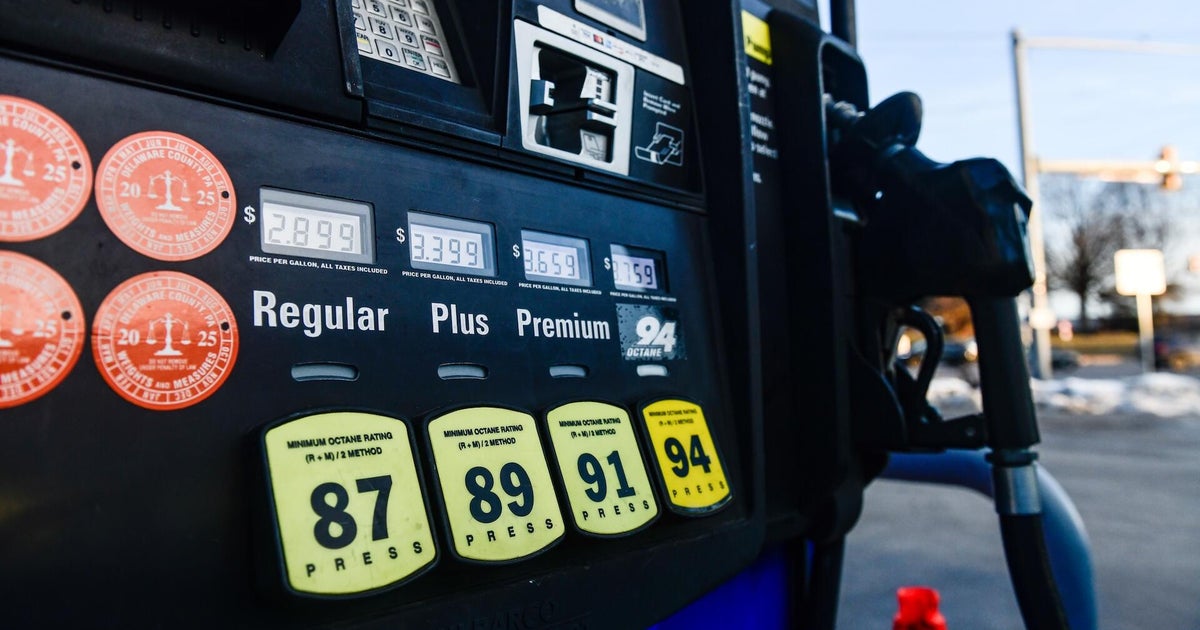
The closure of the Strait for the past two weeks has put the world on the edge of an oil crisis. The price per barrel was again over $US100 at the end of last week. Average petrol prices in Australia are about $2.20 a litre.
Energy Minister Chris Bowen on Friday announced the release of hundreds of millions of litres of fuel from Australia’s reserve aimed at shoring up short-term confidence, but he resisted announcing further measures to ration fuel if the Iran war continued.
Government sources, speaking on condition of anonymity, on Sunday said Australia had not received a formal request from the US to send a ship to the strait.
While any request would be considered, the sources said the government was not eager to send key naval assets to the Middle East and its priority was the Indo-Pacific.
The government said it was focused on Australia’s immediate region when it rejected a 2023 US request to send a warship to help protect the Red Sea from attacks by the Houthi rebels.
The Coalition attacked the decision not to send a warship to the Red Sea at the time, but it sounded more cautious about any possible request to protect the Strait of Hormuz.
Opposition defence spokesman James Paterson said: “If a formal request is made by the United States, it would need to be assessed against our national interests, including their ability to safely operate in a highly contested strategic environment.
“Australia’s primary focus remains the Indo-Pacific.”
Initial responses from elsewhere in the world were similarly cautious.
A British Ministry of Defence spokesperson said Britain was “currently discussing with our allies and partners a range of options to ensure the security of shipping in the region”.
Takayuki Kobayashi, a senior figure within Japan’s ruling Liberal Democratic Party, said dispatching Japanese military vessels to the Middle East to escort ships would face “high hurdles” and would need to be “judged carefully”.
The Australian government last week announced it would send an E-7A Wedgetail surveillance aircraft and air-to-air missiles to the United Arab Emirates to defend against Iranian attacks, a move backed by the Coalition and criticised by the Greens.
Military experts said it was unlikely that Australia would agree to send a warship to the Middle East while the war is raging.
Australian Strategic Policy Institute senior analyst Malcolm Davis said: “I don’t see us sending a warship to the Strait of Hormuz now.
“Our priority interest is found in the Indo-Pacific region, meaning the best option for us could be to backfill the US military in the Indo-Pacific to free them up to send more resources to the Strait of Hormuz.”
Davis said the threat of Iranian drone, missile and sea mine attacks would make it too dangerous for many countries to agree to send their sailors to protect the Strait of Hormuz.
Australia could contribute to protecting the oil trade in a post-conflict scenario, perhaps by sending a P-8 Poseidon patrol aircraft or refuelling aircraft, he said.
Jennifer Parker, an adjunct fellow in naval studies at UNSW, said she thought Australia was unlikely to send a warship to the Middle East during the war.