3 months ago
16
3 months ago
16
Facing barriers from Donald Trump’s push for tariffs and reciprocal policies, OECD Secretary-General Mathias Cormann warned there had “been a loss of faith” in the international free trade system.
The politicised trade barriers “and their economic and social impacts … are reshaping the global economy and draining public support for open markets”, Cormann told an audience in Melbourne.
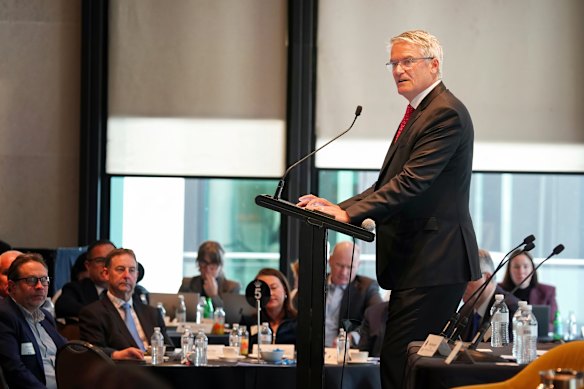
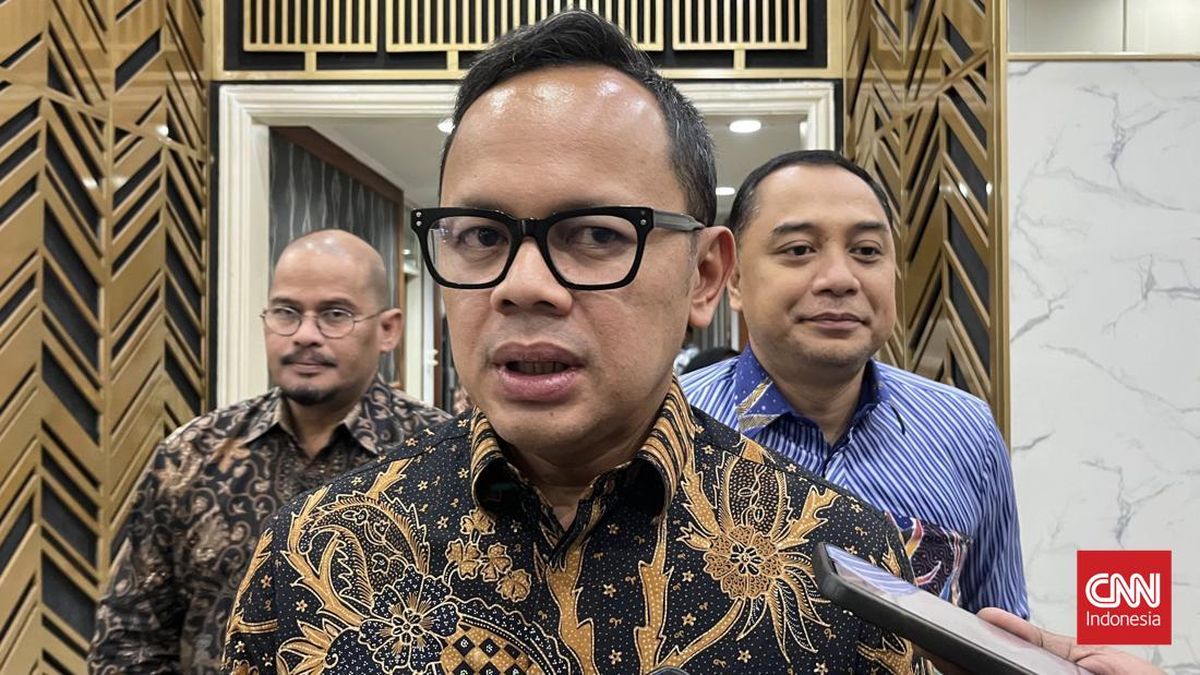
Don’t throw the baby out with the bathwater: OECD Secretary-General Mathias Cormann speaking in Melbourne.Credit: Luis Enrique Ascui
A decade after Brexit and the first election of Trump to the White House sent shockwaves through the global trading system, the former Liberal Party finance minister warned of a high price to pay if economies strayed too far from a commitment to a fair and open trading system.
“There has been a loss of faith in the ability of our global trading system to discipline or prevent the increased incidence over recent decades of non-market-driven trade distortions,” Cormann said in a speech to the Australian Chamber of Commerce and Industry.
“It is true that there are genuine and legitimate concerns about how the global, rules-based trading system has been operating or not been operating in more recent times.
“But the key point here is not to throw the baby out with the bathwater [and] to find ways to make international trading arrangements fair and function better, to find ways to improve economic security and supply chain resilience and tackle unfair trade practices in a way that preserves the economic benefits of open markets and rules-based trade.”
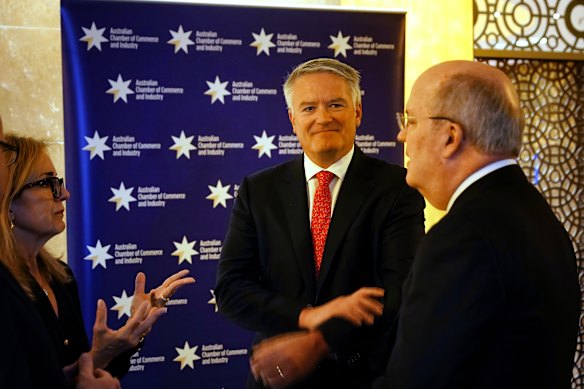
Mathias Cormann talking before giving a speech at the Australian Chamber of Commerce and Industry (ACCI) general council meeting in Melbourne. Credit: The Age
A failure to do that would mean lower growth, higher costs and lower incomes, Cormann said.
“If we can’t find the right solutions, public support for open markets and global trade will continue to reduce.”
He spoke days after a US Court of Appeals ruled that Trump’s signature tariffs against China, Canada and Mexico were illegal, leaving US trade partners in a further state of uncertainty.
Loading
Cormann was reappointed secretary-general of the Organisation for Economic Co-operation and Development for a second term, beginning in July and lasting until 2031. The OECD as an organisation dates back to the US-sponsored Marshall Plan, which was approved by Congress to help rebuild Europe in the aftermath of World War II.
As market democracies grapple with the doubt and uncertainty, leaders of authoritarian nations China, Russia and North Korea gathered in Beijing for a meeting of the Shanghai Co-operation Organisation, a political, economic and international security grouping that seeks to challenge US influence.
China is expected to provide 2 billion yuan ($275 million) in grants to member states this year, along with 10 billion yuan in loans to an interbank consortium over the next three years, Bloomberg reported. “We should make the pie of co-operation bigger,” China’s President Xi Jinping said.
While Cormann lauded open markets and rules-based global trade as a “powerful driver” of growth, employment and better living standards, he noted the “patchy” adoption of artificial intelligence among and within OECD members, which could spell more unevenness in market democracies.
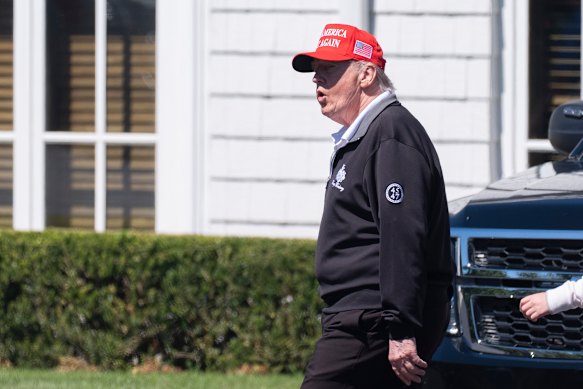
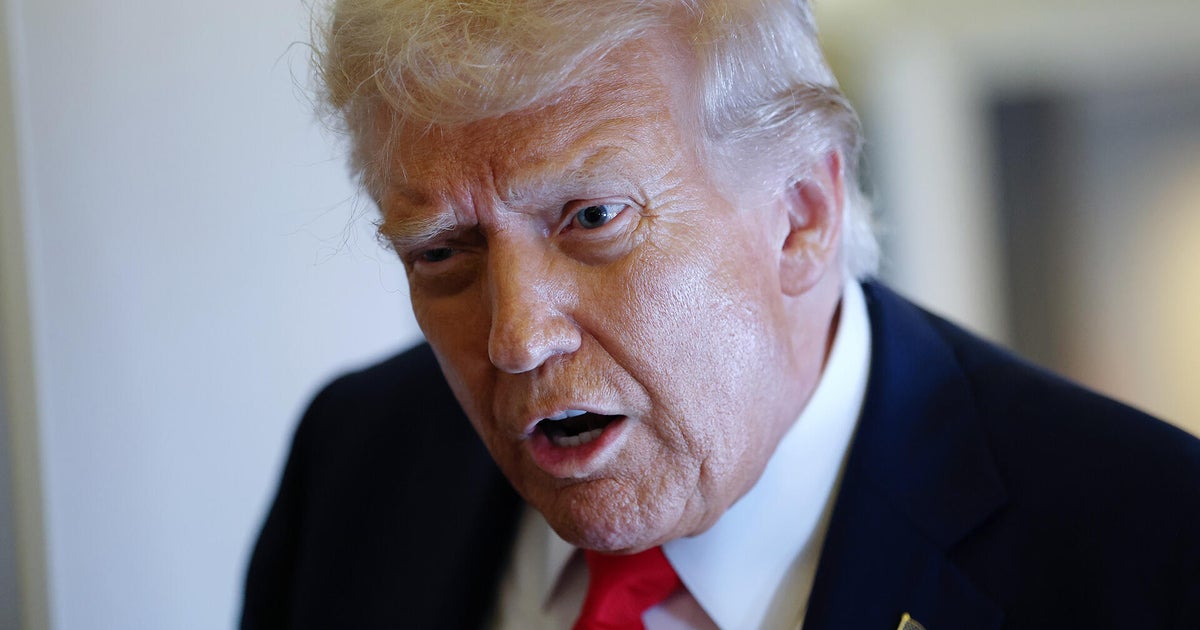
US President Donald Trump has led the charge for tariffs on trade.Credit: AP
Some countries, like the US, are more advanced. “But even within the US, there is stronger adoption and stronger penetration at the bigger end of town compared to businesses across the economy as a whole,” Cormann said.
“Even in a country like Israel, which is at the leading edge when it comes to digital technology, AI is very good at the high end,” he said. “But when you look at the economy as a whole, there’s a lot of progress that still needs to be made.
“And for Australia, the challenge is the same.”
Cormann grew up in Belgium before moving to Western Australia in 1996, where he became a citizen and embarked on a career in politics with the Liberal Party. He was named secretary-general of the OECD in June 2021, after serving as finance minister for prime ministers Tony Abbott, Malcolm Turnbull and Scott Morrison.
Loading
Australia’s economic growth slowed to 0.2 per cent in the March 2025 quarter, from 0.6 in the December 2024 quarter.
Household spending is weak, and the economy is struggling to transition away from a period of higher government expenditure.
The OECD’s June outlook predicts global growth of 2.9 per cent in 2025 and 2026, which is a downward revision of 0.4 percentage points for both years compared with its December outlook.
Most Viewed in Business
Loading