3 months ago
24
3 months ago
24
February 4, 2026 — 5:00am
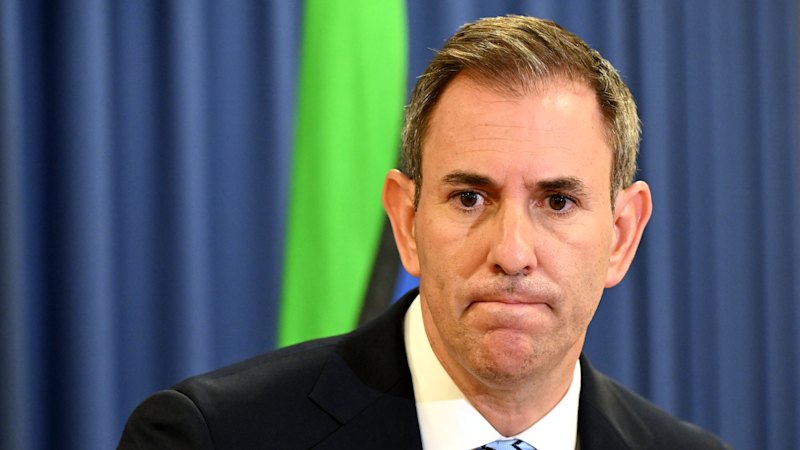
Treasurer Jim Chalmers likes to retail himself as economically “cautious and conservative”, but after four years in government, he is a record big spender.
So much so that despite taking a short breath on spending, we now wonder how much longer he can continue to be so profligate and maintain the Albanese government’s fiscal credibility.
New numbers from the Parliamentary Budget Office show that higher spending will cause about two-thirds of a $57 billion blowout in the deficit over the next decade. Further, the Treasury expects federal spending over the next two years to top 27 per cent of gross domestic product – the highest level since 1986.
The splurge has been partly to honour election promises while also ensuring the government has plenty of sweeteners in store to fight the 2028 federal election.
Too much public spending fuels inflation.
Now a growing chorus of concern over government spending has started to voice disquiet. Business leaders are pushing for cuts on the National Disability Insurance Scheme, childcare, aged care, health and defence to tackle inflation, a cause made even more urgent by the Reserve Bank of Australia’s decision to raise interest rates on Tuesday to 3.85 per cent, the first rise since November 2023.
The rate rise will add new urgency to Australia’s cost-of-living crisis. “This will be difficult news for millions of Australians with a mortgage, and we understand the pressure that this puts on Australian families and businesses now,” Chalmers said. “While today’s decision was widely expected, obviously, that doesn’t make it any easier.”
But as the Herald’s economics writer Matt Wade explains today, such stresses are largely imaginary: mortgage defaults are at record lows, rates of “day-to-day financial strain” have not varied much for decades and false concerns distract from bigger economic challenges.
This first sitting week of Parliament, the government should have been on the back foot courtesy of perceived mismanagement of the Bondi Beach terrorist killings and rising inflation.
Tuesday’s interest rate hike should have added to Labor’s problems.
However, the former Coalition’s ongoing inner turmoils blunted the efficacy of Liberal and National MPs to capitalise on Labor’s apparent failures.
They attacked the interest rate rise but landed few blows and were easily brushed aside.
Chalmers assured us all that government spending was appropriate. He also quoted several economists saying public debt had peaked and the “upsize public demand” was the real pressure driving inflation.
Chalmers will be familiar with Winston Churchill’s suggestion that, if you wanted two opinions on a matter, you should put two economists in a room. Nowadays such an outcome is less certain.
Despite the Treasurer’s assurances – with housing costs still climbing and December inflation figures taking the annual rate to 3.8 per cent – our economy looks poised at a crossroad.
The Albanese government is the highest spending in 40 years. Chalmers cannot keep going at such a rate. It will not help anyone in the long term. He needs to tap the brakes.
Cut through the noise of federal politics with news, views and expert analysis. Subscribers can sign up to our weekly Inside Politics newsletter.