3 months ago
18
3 months ago
18

February 2, 2026 — 3:30pm
The Reserve Bank’s monetary policy committee gathered on Monday afternoon for its first meeting of 2026 with one item on the agenda – whether to lift official interest rates.
Financial markets put the chance of a quarter percentage point increase, which would add $100 a month to the repayments on a $600,000 mortgage, at two-in-three. Almost all economists believe that by Tuesday afternoon, the official cash rate will be pushed up to 3.85 per cent.
Home buyers, businesses and the Albanese government will be focused on the bank and how governor Michele Bullock explains whatever decision is taken.
Here are the key factors that will determine if the Reserve Bank joins its Japanese counterpart in becoming one of the world’s first major central banks to lift interest rates.
Headline inflation
The Reserve Bank aims to hold inflation between 2 and 3 per cent. Over the past 10 years, the bank’s success rate in hitting that target is just one in five.
Last week’s figures confirmed, again, it had missed the target with headline inflation jumping a full percentage point in December to reach 3.8 per cent. In June, it had been 1.9 per cent.
That prompted some pundits to declare interest rates would rise. But a single number fails to explain whether inflation is out-of-control or being affected by one-off factors.
The headline inflation rate has been distorted for two years by federal and state government energy subsidies. In Brisbane, for instance, electricity price inflation in December 2024 was minus 77.5 per cent. A year later, it was running at 456.1 per cent.
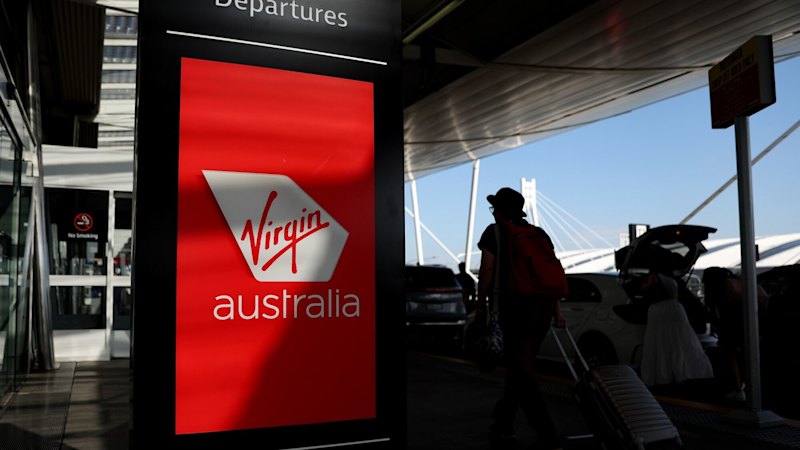
Just one sector accounted for almost all of that 1 percentage point jump in inflation – travel. Airlines pushed up prices on domestic and international flights so much that travel accounted for 94 per cent of the total inflation change in December.
International travel prices alone lifted by an eye-watering 24 per cent.
Underlying inflation
The wild movements that we’ve seen in areas such as electricity and travel are the key reason the Reserve Bank focuses much of its attention on measures of underlying inflation.
These measures exclude one-off or surprise changes in prices, giving the RBA a much clearer insight into the economy’s inflation pressures.
Last month’s inflation report showed underlying inflation up by 0.9 per cent in the December quarter. That was above the Reserve Bank’s own expectations and took the annual underlying inflation rate to 3.3 per cent.
Such a level on its own would be enough for the RBA to justify a rate increase on Tuesday afternoon.
But the Bureau of Statistics’ monthly measure of underlying inflation is telling a slightly different story. After spiking in October, underlying price pressures eased through November and then December.
The December measure of underlying inflation was the lowest since June.
The jobs market
Inflation and the strength of the jobs market are closely connected. Apart from keeping inflation between 2 and 3 per cent, the Reserve Bank’s job is also to maintain “full employment”.
The December employment report showed the jobless rate falling to 4.1 per cent after the creation of 65,200 jobs. Underemployment, which measures the percentage of people who would like more hours, also fell.
While it was undoubtedly a strong report, through 2025 the rate of jobs growth more than halved on that experienced through 2024. The total number of people out of work also increased by a sizeable 4.2 per cent.
On Monday, the ANZ-Indeed measure of job ads - a good forward-looking indicator - revealed 4.4 per cent jump in advertisements in January, the largest monthly increase in three years.
Government spending
Federal and state government spending is another pressure point for the economy.
While federal spending as a share of GDP peaked at 31.3 per cent in 2020-21, this year it is expected to be at 26.9 per cent and remain at that level through 2026-27.
You have to go back to the mid-1980s – when the government owned entities like Qantas and the Commonwealth Bank, while federal transfers to the states were much larger – to find expenditure at such a high level.
This financial year alone, government spending is expected to climb by 4.5 per cent after a 5.5 per cent jump in 2024-25.
The fastest areas of spending growth include the interest bill on government debt, the NDIS, defence, aged care and childcare.
On top of Canberra’s spending are the states and territories, which this year are expected to spend tens of billions of dollars on major infrastructure projects. But, with the completion or near completion of some big-ticket projects – such as Melbourne’s Metro and West Gate Tunnel and Sydney’s Southwest Metro – some heat is finally coming out of this key area.
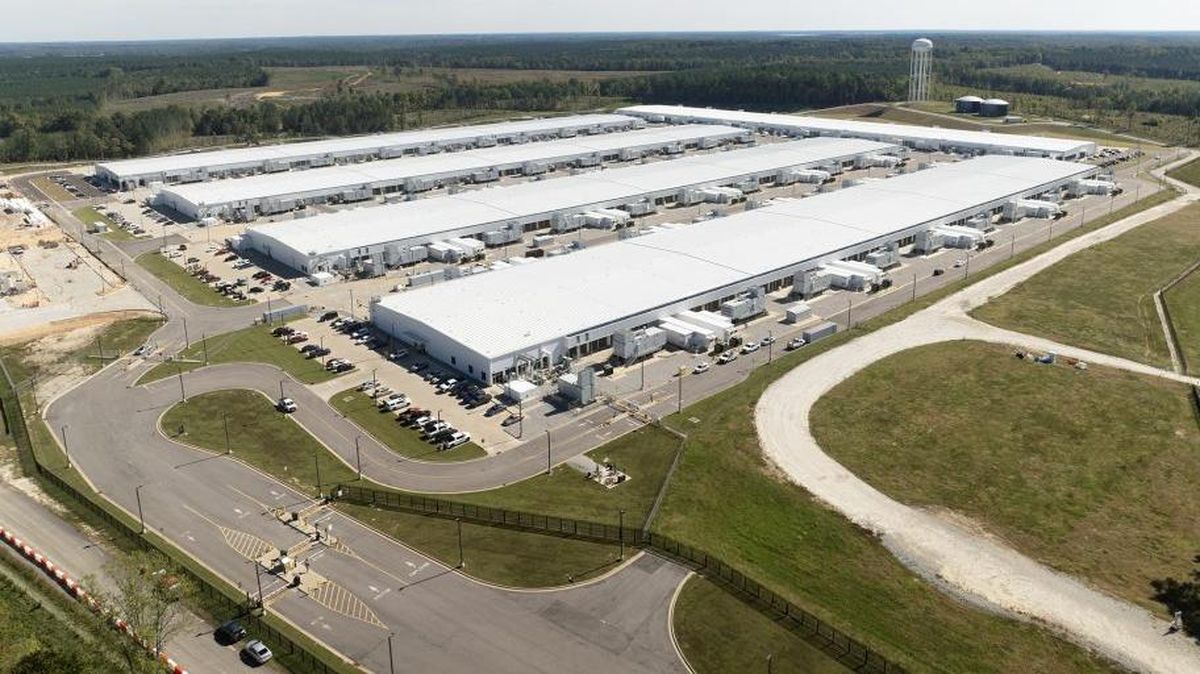
That’s been fortunate given the lift in spending by the private sector. Spending on data centres has helped drive private investment to its highest level in three years.
Productivity and economic growth
Bullock has spoken often about how Australia’s productivity growth rate has to lift if the economy is to expand without unleashing inflationary pressures.
Both economic growth (2.1 per cent) and productivity (0.8 per cent) have improved in recent months but are still weak by any standard.
The fact the economy is growing so slowly with inflation lifting points to the productivity problem that has become entrenched in this country and around the world.
Donald Trump
The US president continues to loom over the global economy. In May last year, the Reserve debated a half percentage point rate cut in response to Trump’s “liberation day” tariff proposals.
More recently, his economic policies have affected prices for precious metals such as gold and silver while being instrumental in the decline in the value of the American dollar.
The Australian dollar has climbed to a three-year high of US70 cents. A stronger Australian dollar reduces inflationary pressures at home (bringing down the price of imported goods), helping the Reserve Bank.
Cut through the noise of federal politics with news, views and expert analysis. Subscribers can sign up to our weekly Inside Politics newsletter.