3 months ago
23
3 months ago
23
January 23, 2026 — 11:39am
Families can save up to $800 a year by switching several appliances to run in the three hours of free daytime power to be switched on from July, the Albanese government claims, as it hits back at power companies that are warning the scheme will favour wealthier consumers who own batteries and electric cars.
The saving, modelled in government analysis, would carve a significant chunk off the average power bill, which is typically between $1600 and $2000 in Melbourne and Sydney.
This saving would be delivered by the Solar Sharer scheme, which the Albanese government will compel retailers to offer from July 1, arguing it will extend the benefits of clean energy to people who do not have solar panels or household batteries.
It forces electricity retailers to offer free electricity to customers who sign up for the scheme in the middle of the day, when rooftop solar regularly floods the grid with more supply than it needs.
Representatives for Australian power and gas retailers said they supported the intent of the reform but called for scheme to be redesigned because the benefits would flow largely to those who can capitalise on the free power window by filling up battery systems and charging electric cars.
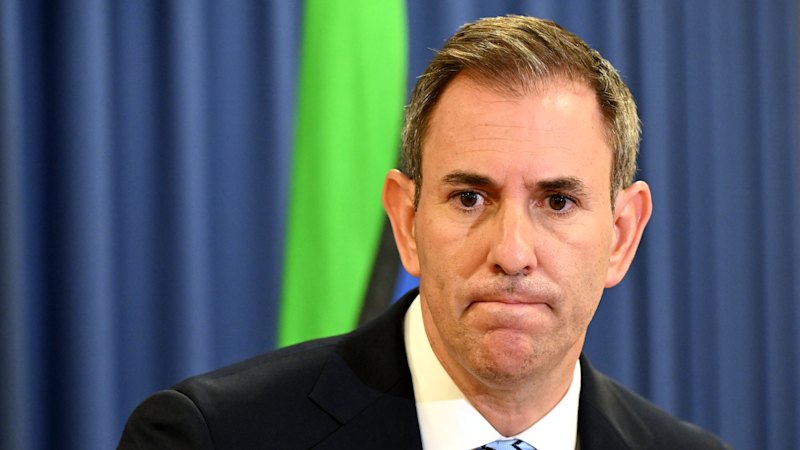
However, Energy Minister Chris Bowen on Friday released an analysis that showed families of five people who can schedule their dishwasher, washing machine and dryer, or hot water heating to operate during the free-power window could save between $550 and $790 a year.
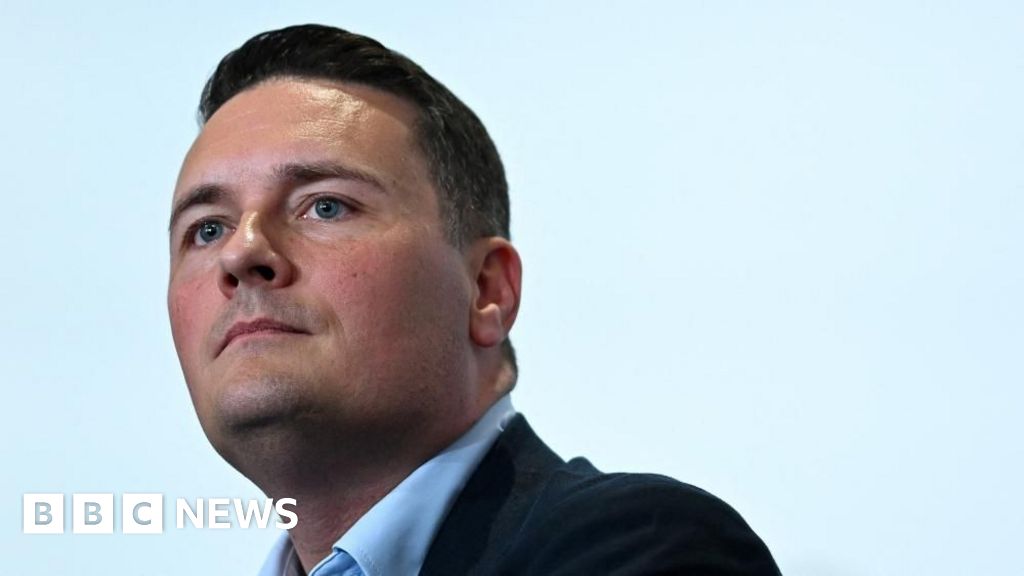
“The Solar Sharer offer is about making sure we make the most of our huge solar generation, including by ensuring the benefits of cheap solar can be shared with consumers who don’t have solar systems,” Bowen said.
The government wants to shift household energy usage to the middle of the day to absorb the solar glut and reduce expensive evening peak usage.
Retailers warn the policy could add costs, compromise smaller providers, and may force increased rates at other times.
Pushing back on these claims, Bowen said the scheme would be particularly useful to people who work from home, stay-at-home parents, retirees, students and those with appliances that have timers.
The timing is critical for the government, which has faced criticism since it was first election in 2022 for energy bills that have reached record highs despite its 2022 election promise to cut costs by $275 a year by 2025. It also announced in December that energy bill subsides worth $300 a year would not continue this year.
Government analysis said that moving 10 per cent of energy use from the evening, when peak demand on the grid drives prices up, to the free window could save around $150 a year for a one-person household and $400 a year for a five-person home.
Switching daily use of a dishwasher, washing machine and dryer, or hot water heating, represents about 20 per cent of energy consumption and switching this to the free window could save a one-person home $300 a year, and between $500 to $790 for a five-person household, the government said.
Shifting 25-30 per cent of your energy could save further. Scheduling the timing of your dishwasher, washing machine, dryer and pool pump, and charging your EV currently could save around $400 for a one-person house, to between $800 to $1100 for a five-person house.
The scheme will apply from July 1 in NSW, South Australia and south-east Queensland, regions where the Australian Energy Regulator sets benchmark prices. The federal government is working with other states to extend the offer to other jurisdictions by 2027. The Victorian government has said it is currently consulting industry to introduce a similar scheme.
Cut through the noise of federal politics with news, views and expert analysis. Subscribers can sign up to our weekly Inside Politics newsletter.