3 months ago
41
3 months ago
41
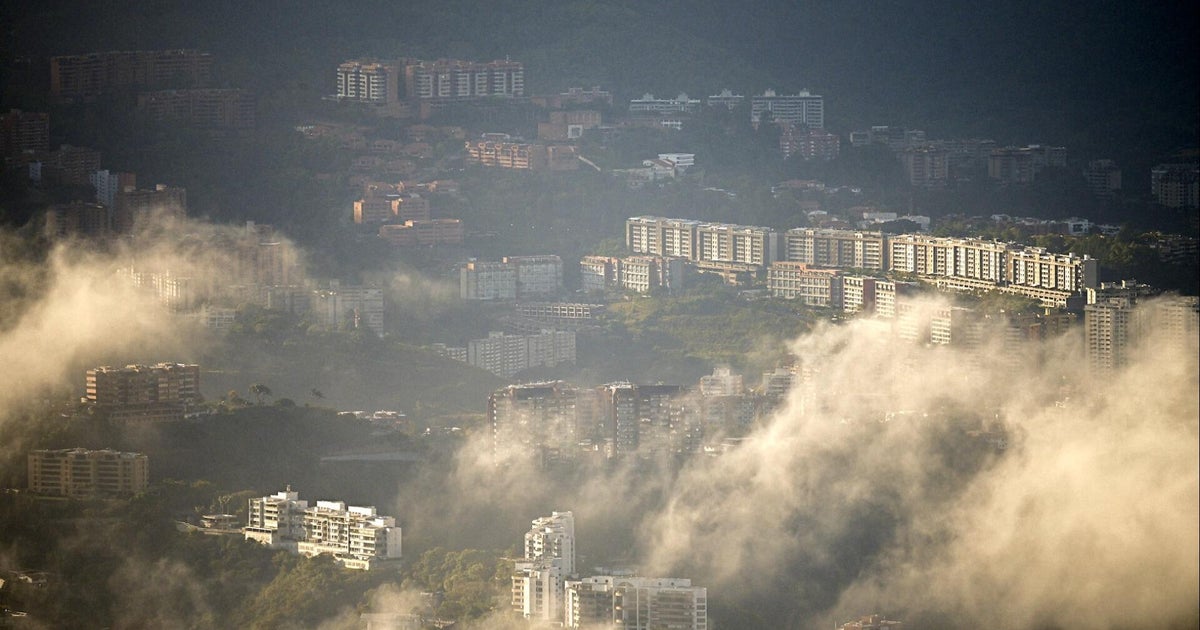
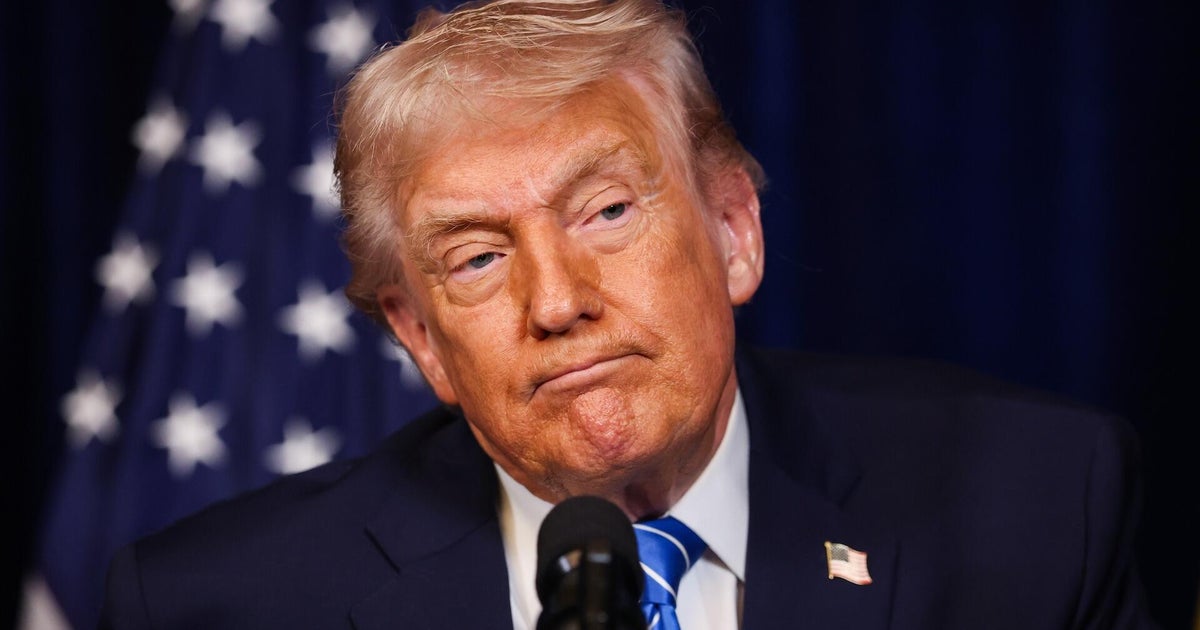
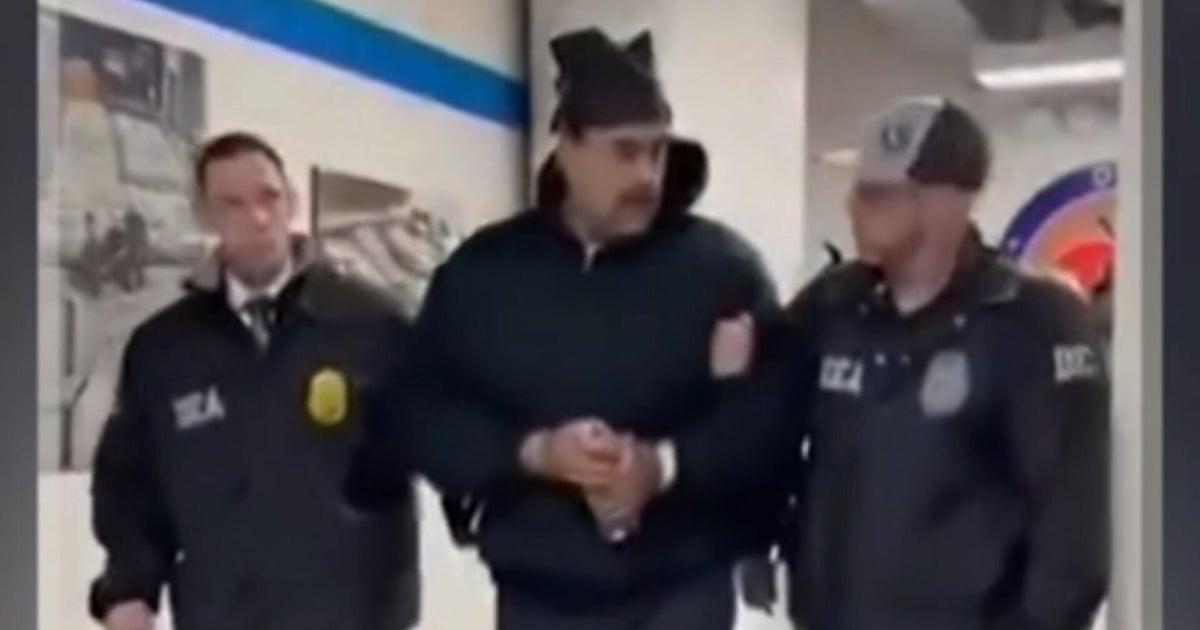
Venezuelans in Sydney and Melbourne are celebrating the capture of their country’s leader, Nicolas Maduro, by US President Donald Trump. Many of them hope it marks a transition away from dictatorship and poverty, back towards the prosperity of the 1970s when Venezuela became the richest country in South America on the back of its abundant petroleum reserves.
While the imminent indictment of Maduro in New York has raised questions about the legality of Trump’s orders, Jackeline Giovannucci, who fled Venezuela for Sydney in 2014, doesn’t see it as an invasion of her country but as a path towards democracy.
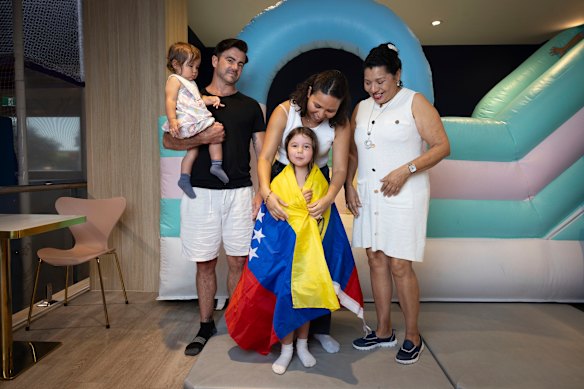
Jackeline Giovannucci, centre, and her family on Sunday afternoon.Credit: Jessica Hromas
“Venezuelans, we have lived with so many deceptions,” she said. “It’s sometimes hard to believe that the events [of Saturday night] finally occurred. There is an enormous human rights violation in Venezuela. We have asked for international help for many years, so this is a triumph.”
In her hometown, Barinas, a city in the country’s central west known for its rivers and fertile farmland, Giovannucci’s friends forgo meals to feed their children. When she left, she thought she would never see Venezuela change in her lifetime and that her two Australian-born daughters would never meet her sister.
For the first time, the prospect of going back feels real.
“We needed a larger force than Maduro to restore our democracy, and with our petroleum, we understand that’s what people say this attack is about … however, [former president Hugo] Chavez and Maduro sold it to China, Russia and Iran, and how has that money benefited Venezuelans if we don’t have food, medicine, no school for our children?” she said.
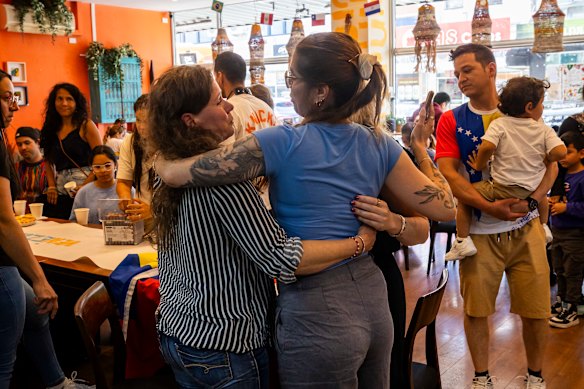
Venezuelan-Australians gather in a Melbourne restaurant to celebrate the ousting of Nicolas Maduro.Credit: Wayne Taylor
In a Venezuelan restaurant in Melbourne’s east, Valentina Oliveros has ordered hundreds of celebratory arepas rellenas: corn pancakes filled with slow-cooked meat, cheese and vegetables. She says the celebrations are not about the bombardment of her country.
“To say this is about the US intervention is not true. We are celebrating that Maduro is gone,” she said. “It’s like we are celebrating, but at the same time, no … there’s hope, but we understand that this isn’t our last chapter because we don’t know what will happen next.”
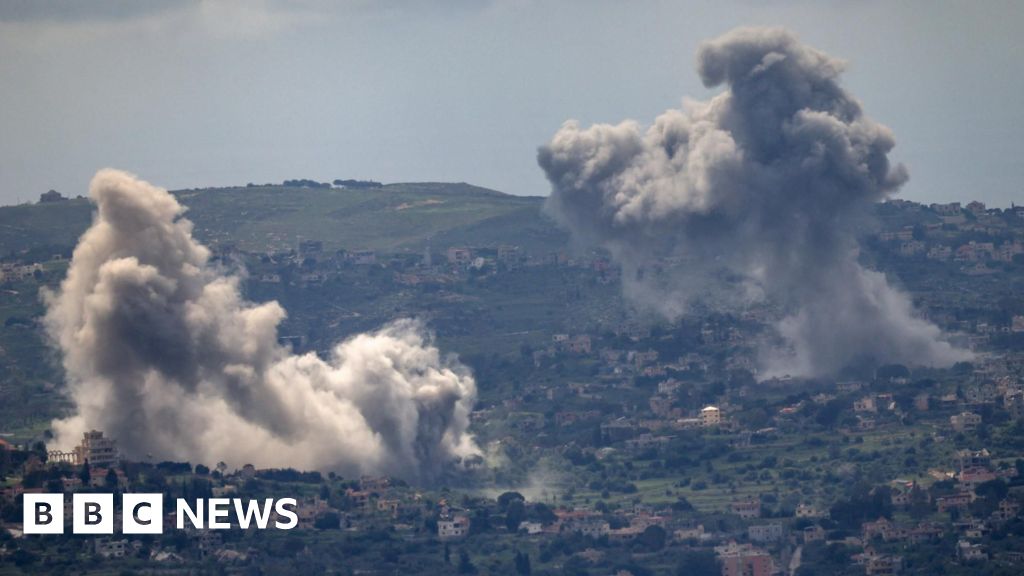
Oliveros, who arrived in Clyde, south-east of Melbourne, in 2016 from Puerto Ordaz in the country’s southwest, has many family members in Caracas. Her uncle was sleeping in an apartment next to an airport that was bombed by the US when they succeeded in their operation to capture Maduro on Saturday.
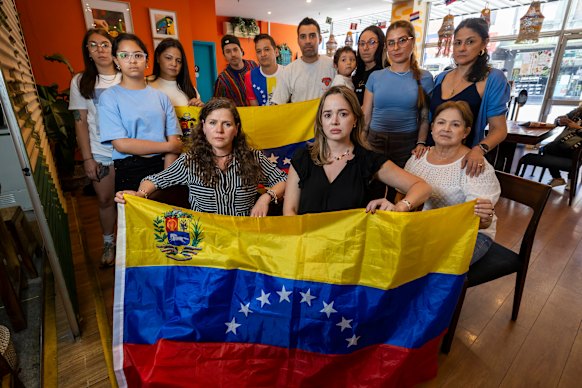
Venezuelan-Australians gather in a Melbourne restaurant to celebrate the ousting of Nicolas Maduro.Credit: Wayne Taylor
Oliveros says Trump’s promises of rebuilding the country offer more hope than previously existed.
“People saying Trump is not doing this for Venezuelans, we know he is doing this for petroleum, it’s an opportunity for him, but for me, I see that opportunity as liberation, for me to return,” she said.
Snap protests have been organised in four Australian capital cities by the Palestinian Action Group on Sunday night, with the pamphlet titled “Hands off Venezuela. Stop the bombings.”
One of the protests at Sydney’s Town Hall is scheduled to start at 6pm, the same time and location where another unauthorised gathering, a Venezuelan celebration, is set to take place. NSW Police said unauthorised protesters would be issued move-on orders.
Caracas-born Australian journalist Claudianna Blanco said that while news about Maduro’s capture had brought hope to many Venezuelans in Australia, the protest’s message might not be well-received by the Venezuelan community.
“From the community perspective, the fact that there are groups saying ‘hands off Venezuela’ – [the community] feel that they’re not being heard or seen, that their perspectives are not being valued to the same level as the perspective of those who oppose US intervention,” Blanco said.
“The rejection of the idea of a US intervention, or the US breaking the international agreement-based order, [Venezuelans] see that as more geopolitical. They feel that those groups may be considering those views, the geopolitics of it is more important than the suffering and the voices of the Venezuelans that haven’t been heard for so long and in the context of 20-plus years of erosion of democracy to then dictatorship.”
“In that context, when your voice is consistently silenced and ignored by those in power, from a citizen’s perspective, it is kind of repeating that trauma of your desires for democracy are not important, your desires for change don’t matter.”
Most Viewed in National
Loading