3 hours ago
3
3 hours ago
3
Opinion
October 29, 2025 — 4.11pm
October 29, 2025 — 4.11pm
If shareholders could corner Woolworths’ chief executive Amanda Bardwell and its board (armed with a vial of truth serum) here are some questions they need to ask on how the supermarket giant can win its mojo back.
After posting a 17 per cent plunge in full-year profits in August, Woolworths’ latest quarterly update on Wednesday has delivered more disappointment.
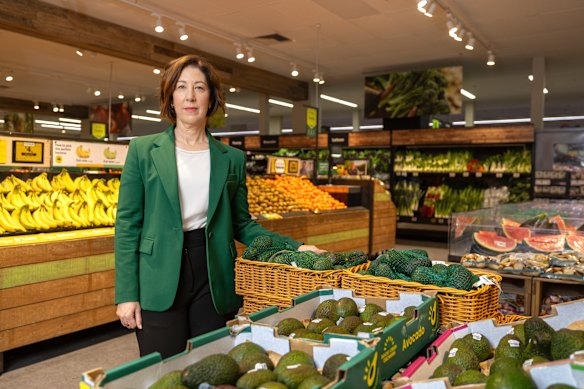
Woolworths CEO Amanda Bardwell said in the year ahead the company would “focus on rebuilding momentum and restoring customer trust”.Credit: Sitthixay Ditthavong
The retailer’s investors will now have to ask if Woolworths can truly discount its way to back to prosperity. And can it risk diving deeper into a supermarket price war with Coles and Aldi?
Bardwell made it abundantly clear, earlier this year, that dropping the prices of many of its products was a surefire way for Woolworths to arrest the decline in its market share and restore customer faith in the brand.
Loading
But the subdued first quarter sales result would indicate that the strategy is not having the desired effect. The retailer’s first quarter Australian food sales undershot analyst expectations to come in at 2.1 per cent growth.
We won’t know until later in the week on how Coles’ sales have fared in the first quarter. But based on expert consensus its sales growth could be as high as 4.5 per cent. That’s more than double of that which Woolworths has posted, and leads to the next important question Woolworths’ chair Scott Perkins and Bardwell need to answer.
How can Woolworths keep Coles and Aldi from stealing a bigger slice of the market?
Just lowering prices will not be enough, given that Coles claims to be engaged in its own discounting strategy. And there is an ongoing struggle between the supermarket giants around which of them has created a more positive customer perception of value for money.
Loading
Shareholders on Wednesday did take some comfort from Woolworths (somewhat unusually) providing the market a window into how things have started in the second quarter. Food retail sales are growing at 3.2 per cent and customer satisfaction metrics are inching up, so there is some good news and whether these green shoots bloom over Christmas will be key to whether Bardwell can deliver on her promise of turning things around.
The next big question for investors is whether Woolworths’ discounting strategy further eats into its margins and profitability.
The math says discounting products will hurt profit – all other things being equal. And Woolworths appears to have taken the view that it is prepared to sacrifice some profit to boost sales. To improve its margins, Woolworths needs to take out costs, but with a high fixed cost base there are limits as to how much can be shaved.
Then there is the elephant in Woolworths’ stable – Big W. The discount department store is Woolworths’ problem child that the group has been attempting to rehabilitate for a couple of years. In fiscal 2025, Big W delivered a $35 million loss.
Loading
Bardwell has said Big W is expected to be cash flow positive in 2026 and is showing some improvement in momentum but whether there is a move to dispose of it remains a secret.
The discount department store’s performance is all the more horrendous when compared with its competitor KMart whose profit came in at more than $1 billion in 2025.
The final and most difficult question for shareholders is whether Bardwell has fumbled the ball or whether she was handed a hospital pass by her predecessor Brad Banducci.
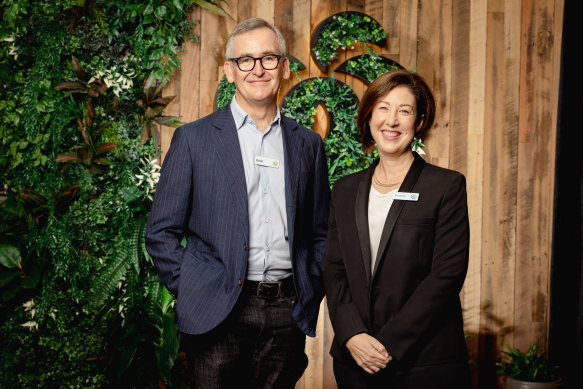
Former Woolworths boss Brad Banducci and the retailer’s current chief executive Amanda Bardwell.
To be fair, Bardwell has endured a number of challenges since taking the role less than two years ago – not the least of which was a sustained attack from the government accusing the supermarket group of price gouging.
But shareholders will be justified in placing pressure on Bardwell and the board if the supermarkets continue to lose more market share from here.
Investors have watched the share price fall by more than 9 per cent this year compared with the ASX 200, which has risen by almost 8.8 per cent and Coles whose share price has wildly outperformed – up more than 21 per cent.
The numbers over the last couple of months deliver a pretty clear verdict on who’s winning the supermarket wars. It’s now up to Bardwell to prove to the investors that she has the right answers to a growing list of questions.
The Market Recap newsletter is a wrap of the day’s trading. Get it each weekday afternoon.
Most Viewed in Business
Loading