
 2 months ago
64
2 months ago
64
For most of my life, home has meant western Sydney. I grew up in Mt Druitt and in the early 1990s, my parents made what felt at the time like a bold decision to move further west and build a home in the very first stage of a brand-new suburb called Glenmore Park. Back then, Glenmore Park still felt like a paddock with street signs. There were no shops, very few trees, and plenty of people wondering why anyone would move “all the way out there”.
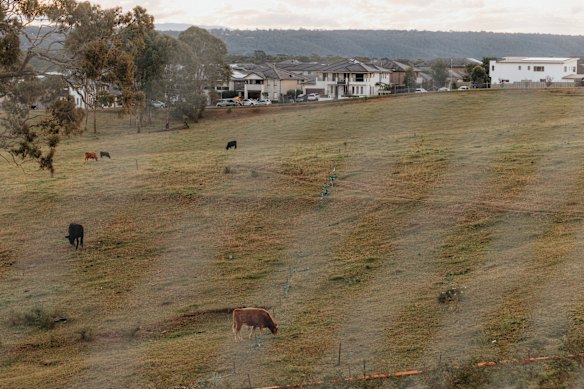

More than 35 years after arriving, I’m still here.
Like many suburbs in western Sydney, Glenmore Park carries layers of history that are often overlooked. Long before the housing estates and roundabouts arrived, this land belonged to the Darug people, whose connection to Country stretches back tens of thousands of years. European settlement later transformed the landscape, with large land holdings owned by figures including Henry Cox, who named his residence “Glenmore”. The suburb would eventually inherit that name, although much of the area remained rural for generations.
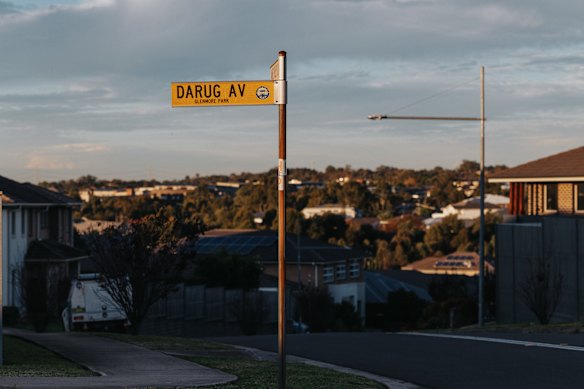
When we moved here, Glenmore Park still retained some of that semi-rural feeling. Kangaroos were not an unusual sight (and still aren’t). There was no Glenmore Park town centre, no cafe culture, no fast food chains. In fact, for a long time there was just a single takeaway shop that became the unofficial community hub because, frankly, it was all we had.
It’s funny now to think about how exciting the opening of the Glenmore Park Town Centre in 1999 felt. Suddenly we had a supermarket, proper retail stores and somewhere to run into neighbours on a Saturday morning. The centre, now HomeCo Glenmore Park, expanded significantly in 2017, and more recently we’ve seen the development of Glenmore Village, complete with apartments, shops, restaurants and another layer of urban life added to what was once simply rows of family homes.
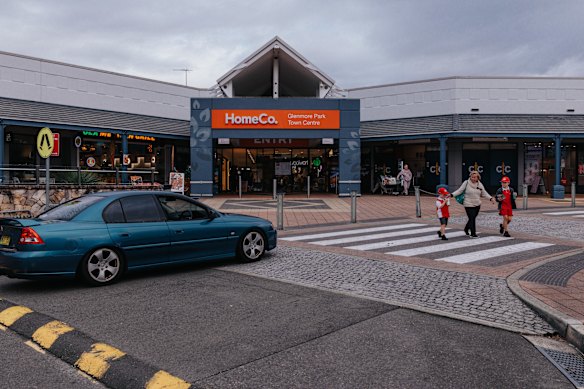
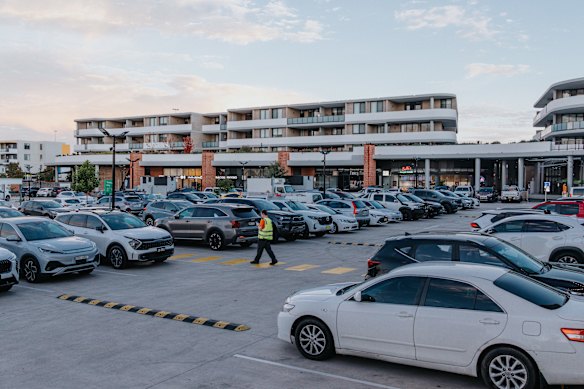
That transformation mirrors the broader evolution of western Sydney itself. What was once dismissed as “the outskirts” has become one of the most dynamic and fastest-growing regions in the country. And now, with the opening of Western Sydney International Airport later this year, you can feel another major shift approaching.
For people who grew up out here, the airport represents something bigger than infrastructure. It represents recognition. For decades, western Sydney residents have commuted long distances for work, education, travel, and opportunity while hearing endless commentary about the region from people who rarely spent time in it. The airport, alongside projects like the M12 motorway and broader investment across the west, signals that this part of Sydney is no longer an afterthought. It is becoming a centre of gravity in its own right.
My own life has been shaped by that growth. I began my studies at what is now Western Sydney University just as Glenmore Park itself was beginning to emerge, and more than 20 years ago I returned to the university as a staff member. Today, I have the privilege of working there as an academic, researching, teaching and supporting students from across western Sydney – many of whom are the first in their families to attend university, just as I once was.
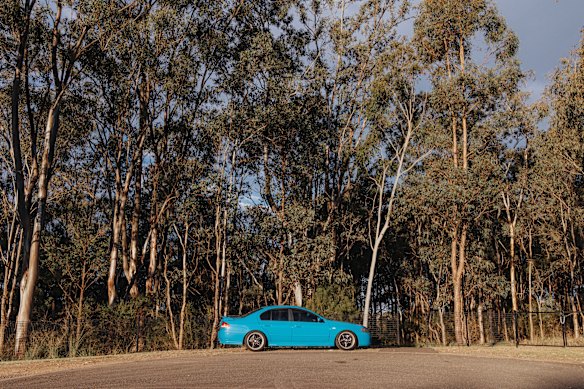
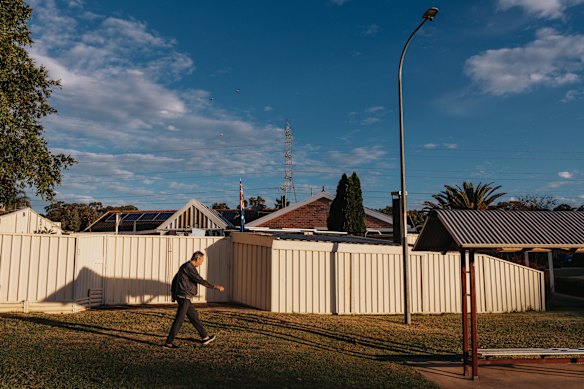
One of the things I love most about Glenmore Park is that daily life happens locally. Outside of work, I rarely need to leave the suburb. Schools, sporting facilities, medical centres, supermarkets, parks, cafes and restaurants are all here. That convenience matters, especially for families juggling work, school pickups and the general chaos of modern life.
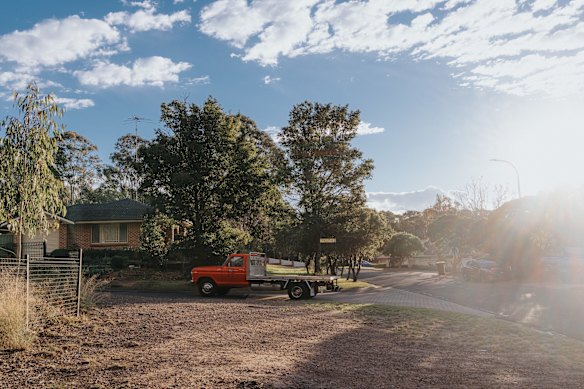
But perhaps the suburb’s greatest strength is its natural environment. People who have never spent time here are often surprised by how green it is. I walk or run around Glenmore Park almost every day, and those moments have become part of the rhythm of my life. There are pockets of bushland, walking tracks, creeks and open spaces woven throughout the suburb that soften the edges of suburban development. Over the decades, I’ve watched tiny saplings become towering trees and empty blocks become thriving neighbourhoods.
There is also a quiet practicality to living here that I’ve come to appreciate more with age. We are close to the M4 and now the emerging M12 corridor, which means that within a little over an hour you can be in the Sydney CBD, at the beach, in the Blue Mountains or heading beyond the city altogether. Western Sydney often gets unfairly characterised as isolated, but living here has always made me feel connected to everything that matters.
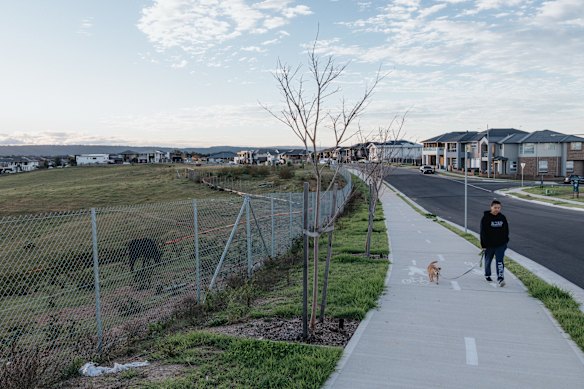
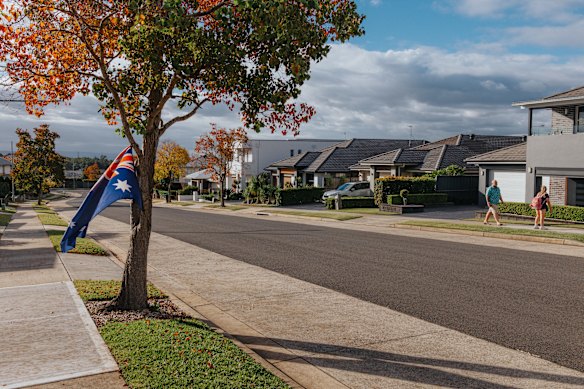
What has changed most dramatically over the years is the demographic makeup of the community. Glenmore Park today is far more culturally diverse than the suburb I first moved to in the early 1990s, and that diversity has enriched the area in countless ways – from the food we eat, to the languages hear in school playgrounds, to the perspectives shared within community organisations. It is also a place where many different kinds of families have built homes and found belonging – multicultural families, blended families, single-parent families, families with two mums or two dads. Increasingly, it reflects the broader story of contemporary Australia: diverse, hardworking, inclusive and evolving. That openness and acceptance is something I’m incredibly proud to see in my community.
Western Sydney shaped me. It shaped my education, my career, my friendships, my family and my worldview. Glenmore Park, in particular, has been the backdrop to almost every important chapter of my adult life. It has given me the opportunity not only to build a life here, but to give back to the communities that helped shape who I am.
For all the change that is still to come, I hope it never loses that spirit. It’s a spirit personified in Socceroos’ goalkeeper Patrick Beach, who grew up in the area and is now representing us on the global stage.
It is a privilege to live and work in western Sydney – a region full of resilience, aspiration and possibility – and I will always be proud to call it home.
Nicole Bridges is an associate professor at Western Sydney University’s School of Arts.

















































