3 months ago
17
3 months ago
17
By David Fickling and Ruth Pollard
December 31, 2025 — 5.45am
The past year began with a promise from President Donald Trump to deliver a future of “peace through strength” by unleashing America’s fossil fuel supplies.
To judge by the direction of commodity prices, the opposite is happening. That’s because the hottest metals as the year ends are the ones most indelibly associated with the mass electrification that is making coal, oil and gas increasingly redundant across the world.

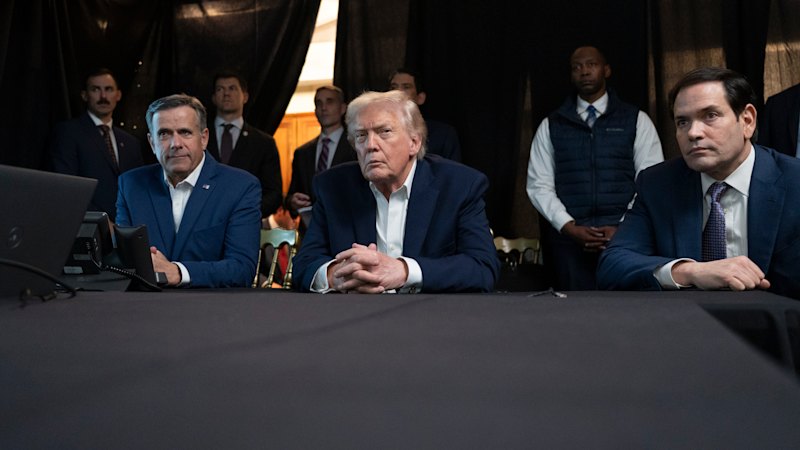
The arrival of the revanchist Trump administration was seen as an opportunity to demonstrate fossil fuels’ indispensability to the world. It didn’t work out that way.Credit: Bloomberg
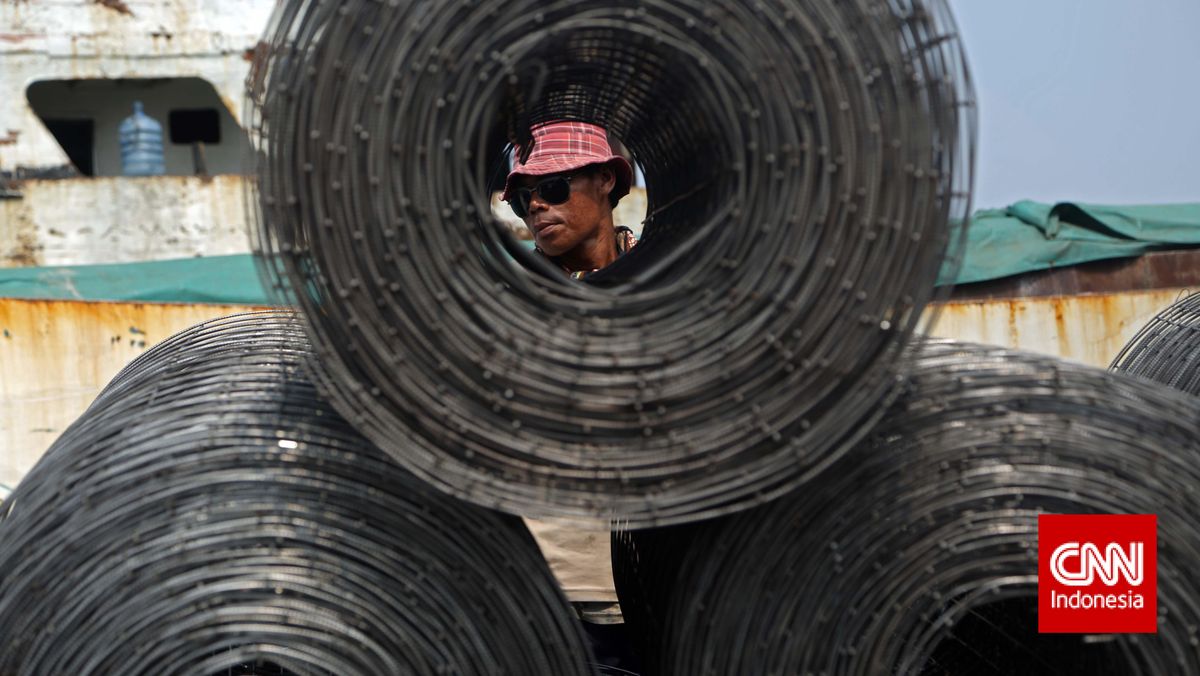
Silver pushed north of $US80 a troy ounce for the first time in history this week, capping a rise of 18 per cent over the past week. Copper also hit a record, with a 6.3 per cent gain taking it as high as $US5.92 a pound.
The two metals are indispensable for electrical systems. Every wire, cable, motor and motherboard in your house contains copper, the best reasonably affordable electrical conductor. Many of them also carry a smaller amount of silver, the most effective conductor of all but one whose high prices typically confine it to thin films printed onto key contact points.
The solar industry, in particular, has become a key silver consumer, using about a fifth of the world’s supply. Electric vehicles comprise a small but fast-growing share of the total: Each one uses about 70 per cent more silver and three times more copper than a conventional internal combustion engine car. Add in the demand from AI chips and stagnating supply from mines that in many cases have been dug for centuries, and it’s little surprise that prices for electrical metals are surging.
Loading
It’s perfectly possible to give a fossil-fuel-favouring spin to this electrical revolution. While power generation from coal is in terminal decline, it still produces almost as much power as renewables do. Gas-fired electricity is only really on the rise in the US, Saudi Arabia and Iran, but the growth there has been significant, and may yet continue thanks to the rollout of data centres and air conditioning and the closure of oil-fired power stations. Even oil could benefit if all that extra copper and silver ends up going into hybrid rather than battery-only cars.
That’s not what commodity markets are suggesting, though. US crude futures fell below $US55 a barrel December 16, close to their lowest level since the first Trump administration. It’s a similar picture for Asian import LNG prices, Dutch gas, and Australian export coal, all currently flirting with five-year lows.
Fossil fuel producers made a bet with the world in 2025: Given sufficient supply and favourable political tailwinds, they’d be able to induce demand even in the face of cheaper, cleaner renewables and electrification.
The Organisation of the Petroleum Exporting Countries opened the spigots and pushed output from the cartel to its highest level since the start of 2023. LNG producers in the US signed off a record volume of new export projects, wagering that foreign buyers will mop up an excess of domestic gas. Chinese coal output hit a fresh record, with a 1.4 per cent increase relative to a year earlier.
It’s not working. The year’s fossil fuel output boom is now piling up in inventories, sending prices slumping. Oil on water – the amount of crude sitting around in tankers because it’s either in transit, or waiting to find a buyer onshore – has hit the highest level since April 2020, when prices went negative as the COVID-19 pandemic devastated demand.
Loading
Egypt, India and Pakistan have all been deferring or cancelling LNG cargoes and Japan’s Jera Co., long the biggest buyer of LNG, is turning seller to get rid of its excess. Some 90 per cent of the modest increase in Chinese coal production this year ended up in stockpiles rather than furnaces.
Fossil fuel producers have immense power to set the terms of the debate on energy. In the Middle East, their interests and those of the state are so intertwined that they’re effectively indistinguishable. In Russia, the US, and elsewhere petroleum producers have been able to capture the government, even though they’re far less important to the domestic economy. Coal production in India, China and Indonesia, likewise, has political importance far above its value in power and industry.
Still, it’s consumers who will have the final say. Surging prices for copper and silver – and for other clean-energy mainstays, such as lithium carbonate and solar-grade polysilicon, both now at their highest levels in about 18 months – indicates stronger demand for clean power than carbon-based energy.
Like Russia’s 2022 invasion of Ukraine, the arrival of the revanchist Trump administration was seen by boosters as an opportunity to demonstrate fossil fuels’ indispensability to the world.
As with that previous geopolitical shock, the promise is crumbling in less than a year. The petrostates that dominated the 20th century have had their day. The future is electric.
David Fickling is a Bloomberg opinion columnist covering climate change and energy. Previously, he worked for The Wall Street Journal and the Financial Times.
Ruth Pollard is a Bloomberg opinion managing editor. Previously she was Middle East correspondent for The Sydney Morning Herald.
Most Viewed in Business
Loading