3 months ago
22
3 months ago
22
A year ago, it may have seemed a passing storm, another bit of bluster in the whirring maelstrom of President Donald Trump’s first months back in office. But now, no one sees it as a joke.
The White House is serious about its desire to claim and control Greenland, the self-governing Arctic island that is part of the sovereign territory of the Kingdom of Denmark, a NATO ally. And European officials believe the threat of some unilateral move is all too real.
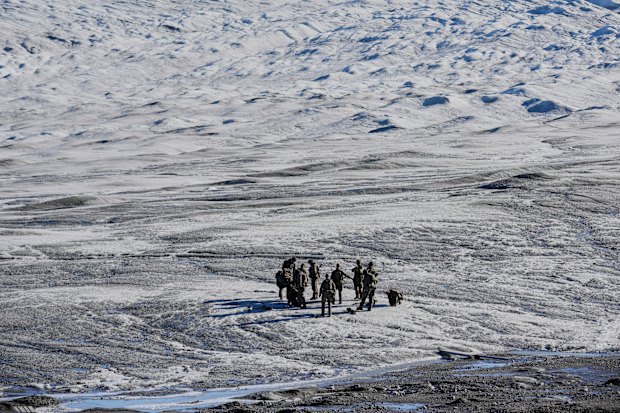
Danish forces join NATO troops in exercises in Greenland in September.Credit: AP
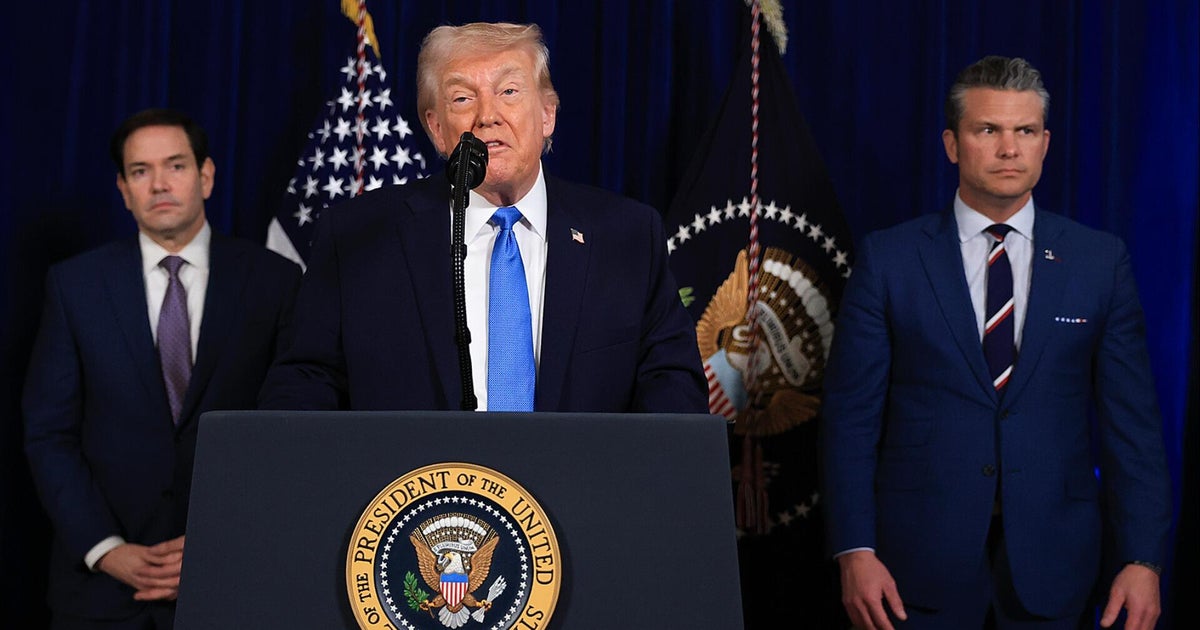
Over the weekend, after a brazen raid that captured Venezuelan President Nicolás Maduro, Trump and his lieutenants asserted their view that the Western hemisphere is “ours” – a zone where US security interests are paramount. That included, Trump insisted without prompting, the “need” for Greenland to be under American control. “Greenland is covered with Russian and Chinese ships all over the place,” Trump said. “We need Greenland from the standpoint of national security, and Denmark is not going to be able to do it.”
In a Monday interview on CNN, White House Deputy Chief of Staff Stephen Miller didn’t back away from that message. The United States ought to have Greenland “as part of our overall security apparatus”, he insisted, while questioning the basis of Denmark’s sovereignty over the territory. He mocked the idea of the European nation putting up any resistance. “Nobody is going to fight the US militarily over the future of Greenland,” Miller said.
So far, European resistance has come in the form it usually does: Carefully worded statements in public and hand-wringing in private. The threat to Europe’s west hung over proceedings on Tuesday as European officials tried to mobilise efforts to safeguard the continent’s east, ironing out details over future security guarantees to Ukraine. Most of Europe’s prominent leaders put out messages pushing back against the idea of an American takeover of Greenland.
“Greenland belongs to its people,” a joint statement from the leaders of France, Germany, Italy, Poland, Spain and Britain said. “It is for Denmark and Greenland, and them only, to decide on matters concerning Denmark and Greenland.”
And yet there’s the creeping realisation that the White House doesn’t care.
The United States under Trump could try to leverage its role in anchoring Ukraine peace talks with concessions from Europe and Denmark on Greenland, suggested The Atlantic. According to Reuters, Trump and his team are intent on acquiring Greenland sometime this term, and are exploring options ranging from a purchase of the territory to directly forming a “free association agreement” with the island, similar to what it has with Palau, where the United States guarantees the tiny Pacific island nation’s defence.
‘If the United States chooses to attack another NATO country militarily, then everything stops.’
Mette Frederiksen, prime minister of DenmarkPolls show that an overwhelming majority of Greenlanders, whatever their complicated feelings about centuries of Danish rule, have no interest in joining the United States, and the political dispensation in charge of the island has been clear about rejecting Washington’s overtures. “Enough is enough. No more pressure. No more insinuations. No more fantasies about annexation,” Greenland Prime Minister Jens-Frederik Nielsen said in a social media post on Monday.
Danish Prime Minister Mette Frederiksen was stark about what’s at stake. “If the United States chooses to attack another NATO country militarily, then everything stops,” Frederiksen told Danish broadcaster TV2. “That is, including our NATO and thus the security that has been provided since the end of the Second World War.”
That’s an unravelling of the transatlantic alliance many in Trump’s far-right camp seek. “Taking Greenland would go down well with MAGA ideologues, since it would kill NATO in one swoop,” wrote Financial Times columnist Edward Luce. “Denmark could invoke Article 5, in which an attack on one is an attack on all. Since America leads NATO, the treaty would be void. No ally would come to Denmark’s defence. Were Denmark to accept the fait accompli, the result would be the same.”
Loading
In an interview during a visit to Washington this week, Belgian Foreign Minister Maxime Prévot urged caution. “We all need this NATO alliance, certainly in such troubled times worldwide, but we also need respect for all the allies within this alliance,” he told me, adding that he hoped “that, in the coming weeks, it will be possible to have a frank dialogue and to address those fears with the respect of the territorial integrity and sovereignty of Denmark”.
Belgium is host to both NATO and the executive offices of the European Union, two foundational institutions of the geopolitical West that have fallen in Trump’s crosshairs. The White House’s National Security Strategy document, released late last year, effectively cast the project of European integration as anathema to American interests, warned that the EU’s liberal establishment was leading Europe to “civilisational erasure,” and allied Trump’s agenda to the campaigns of the continent’s ascendant and oft-Eurosceptic far right. The Trump administration also lashed out at Brussels and a number of EU former officials for designing digital regulations that ended up penalising US tech companies.
“Maybe we have a migration issue that we need to better manage collectively,” Prévot said. “That’s true, but undermining our sovereignty, sanctioning some of our citizens, threatening our companies if they promote, for instance, gender equality, threatening our territorial integrity, like with Greenland, or interfering in our democratic process – this is not understood by the Europeans, and it is not acceptable.”
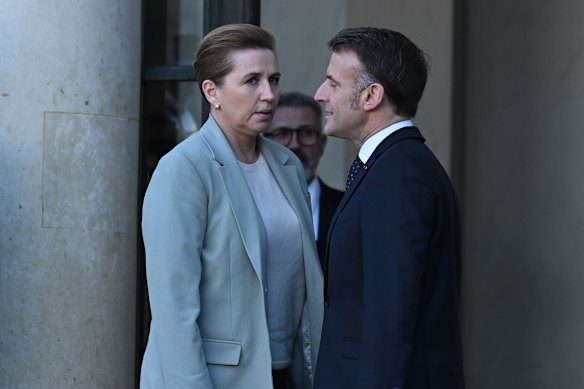
Danish Prime Minister Mette Frederiksen and French President Emmanuel Macron in Paris on Tuesday.Credit: Bloomberg
The question is whether there’s any influence to rein Trump in. In Congress, the bipartisan Friends of Denmark caucus issued a statement condemning Trump’s “sabre-rattling”, warning that these expansionist impulses were playing into the hands of adversaries in Russia and China.
“If the message is that ‘we need Greenland’, the truth is that we already have access to everything we could need from Greenland,” the statement read. “If we want to deploy more forces or build additional missile defence infrastructure in Greenland, Denmark has given us a green light to do so. Our ally has always accommodated us. Threatening to annex Greenland needlessly undermines that co-operation for no gain.”
But the aftermath of Trump’s Venezuela operation has pointed to a shifting paradigm, where the United States is acting with the neo-imperialist impulses of more than a century ago, increasingly untethered from the “rules-based” postwar order it helped forge after World War II. European officials – as well as leaders from an array of countries elsewhere that don’t want to live in a world where might makes right – constantly invoke the centrality of this order, and institutions such as the United Nations that were set up to guarantee it.
Loading
“Without being naive because we know that the world is changing, we need to continue to have defenders of a rules-based order because this is the best context to get results, economic prosperity and peace,” Prévot told me.
The White House has a different view. “We live in a world … that is governed by strength, that is governed by force, that is governed by power,” Miller told CNN. “These are the iron laws of the world since the beginning of time.”
The Washington Post
Get a note directly from our foreign correspondents on what’s making headlines around the world. Sign up for our weekly What in the World newsletter.