3 months ago
34
3 months ago
34

November 10, 2025 — 3:29pm
In life, there’s good luck, like nabbing the last car spot outside the pub, and improbable luck, like winning a holiday. Then there is “once-in-a-lifetime” luck – the kind where everything serendipitously falls into place, like when I walked out on the bow of MS Roald Amundsen one frozen morning on the Antarctic Peninsula.
If I had arrived seconds before or after, I would have missed the precise moment a leopard seal hunted down a gentoo penguin. A sudden surge of water, the collective gasp from witnesses, the gurgle of blood and it was over just like that. Bad luck for the penguin.
“I’ve been coming to Antarctica since 2010, and I’ve never, ever seen a leopard seal take a penguin and do that,” says Captain Rune Alme.
Leopard seals can’t digest feathers and beaks. Before they can eat, they must prepare their prey by thrashing it in the water until it turns inside out, juicy bits and all. It’s a brutal display that honestly looks exhausting, but the seal has a bloody grin on her face as she dips in and out of the electric blue waters beneath a towering iceberg.
Chance dictates many things in Antarctica: whether you’ll have a smooth or tumultuous sailing across the Drake Passage, what bays and inlets will be accessible, and what wildlife might cross your path.
Every voyage south is like an icy lottery, and no two trips are ever alike, which is why I’ve become addicted to visiting the polar fringes of our planet. Even the worst weather and dullest days are made up for by the sheer majesty of ice capped mountains and carved icebergs sliding past your window.
At the same time, I’m aware travelling here produces an enormous amount of carbon, putting a place I love at risk of disappearing through climate change.
Emerging technology is on the way to help decarbonise the aviation and cruising industries, but there’s only so much a traveller can do in the meantime. I’m hoping to at least minimise the impact of my 12-day expedition with HX by sailing onboard the world’s first hybrid-powered cruise ship.
HX’s MS Roald Amundsen combines battery packs with low-emission engines to reduce its carbon output, while recycling water, energy and food waste. For instance, the outdoor pool is heated using residual power from the engines and food waste is converted into fish pellets and dispersed. Also onboard is a science centre, home to a resident team of scientists and guest scientists from universities and environmental organisations around the world.
The expedition team calls it the heart of the ship, a place for education and discovery, where guests can participate in hands-on citizen science programs. There isn’t a cruise fleet big enough to carry all the scientists currently studying Antarctica’s oceans, mountains and slippery inhabitants, but this is where science co-ordinator Sonja Storm says travellers can help.
Tufts of Storm’s hair whips up in the wind as our Zodiac zips across the choppy Penola Strait, a sheltered stretch of water at the northern end of the Antarctic Peninsula. Fishing skuas swoop overhead and, in the distance, I just miss a whale spouting. Armed with nets, Secchi disks, and NASA-funded instruments, we’re on the water collecting phytoplankton samples for the Fjord Phyto project.
Launched in 2015, the initiative investigates the effect melting glaciers have on the eco-system, particularly phytoplankton. The tiny microalgae form the basis for the entire Antarctic food web, from krill to humpback whales, while also producing half the world’s oxygen.
“Every second breath we take is because of phytoplankton,” says Storm as we scoop samples from the water, at one point lowering a tube-shaped device that will measure depth, temperature and chlorophyll levels. The samples I’m collecting today will be added to a data library that will help inform long-term conservation policies for Antarctica.
Later onboard in the Science Centre, I view a blown-up slide of our phytoplankton sample, which looks like a tiny golden galaxy under a microscope. The team explains the many different types of phytoplankton that exist in just a single drop of water.
Storm acknowledges that it’s hard for people to care about something that feels so distant and alien, almost fictional.
“People hear about climate change at home and think – well, OK,” she says, shrugging her shoulders. “But out here they can learn about the ecosystem, about the phytoplankton, and other things we have onboard, and appreciate it.”
HX’s commitment to educating guests began months before I even arrived onboard, thanks to a new course developed in partnership with University of Tasmania. The four-hour online tutorial that I completed at home on the couch provides invaluable context, now that I’m walking past cranky, tufted-haired teenage penguins at Neko Harbour, cruising past a Chilean research station over lunch, or exploring historic shelters at Damoy Point.
While twice-daily excursions are included in every expedition, typically one landing and a Zodiac cruise, intensely popular (but limited capacity) activities such as kayaking, snowshoeing and camping are won in an evening raffle draw. Good luck strikes again when I learn I’ll be spending a night in a tent on the White Continent.
After an early dinner and brushing my teeth before 7pm, a quickly fading gloam has settled on Damoy Point, a sheltered notch on the west side of Wiencke Island, by the time I start setting up my tent. Seasoned camping guide Ingvild Riska is cheery when we watch the ship turn around and leave us in total darkness.
Deprived of modern distractions (but allowed to keep communal portable toilets), we walk to a nearby gentoo penguin colony and listen to their honks and purrs.
Travelling to Antarctica is already an experience reserved for a privileged few, but having a whole island to yourself at night is a rarer experience still, one that feels as precious as the penguin couple I see, touching flippers together, almost like holding hands, as they sleep.
“Now you can go back to your tent and fall asleep to the sound of gentoos screaming,” says Riska brightly.
She’s not wrong. Cocooned in my sleeping bag, eavesdropping on the shrieking dramas of restless penguins, I imagine how early Antarctic explorers such as Shackleton and Amundsen would have felt sleeping out in the dark cold. The next morning, the ship returns before dawn, its high beams scanning the mountains like an alien spacecraft as it rounds the corner of Damoy Point to meet us.
Back onboard, I learn my good luck has run out. An approaching storm means, for safety reasons, we must return across the Drake Passage a day earlier than planned. It seems the winds of Antarctica can be as unpredictable and capricious as its squabbling penguins.
Determined to give us one last hurrah, Captain Alme steers the ship into sheltered Fournier Bay where driving rain has turned into heavy snow, forming crystalline pancakes on calm black waters.
It feels like every creature in Antarctica has followed us here, and I don’t know where to look. A pod of curious fur seals lounging on jagged icebergs watch as we sail past. Not to be upstaged, multiple pods of humpback and minke whales swim past and under the ship, sky hopping or spouting with a reverberant “humph” I can feel in my chest. Who knew whales could be such divas?
“They’re sleeping, resting, playing with the seals, and getting a final snack in before they start to head north,” says marine biologist Matthew Gledhill, as he steers our Zodiac between clusters of small icebergs. His goggles and jacket are crusted with snow and so are mine.
“This is true Antarctic weather at the end of the season,” he laughs. A humpback whale and her calf suddenly spout ahead of us, and the wind blows their pungent cetacean breath into our faces.
Leaning out over the side of the Zodiac, I watch as their white bellies and barnacled heads dive deeper into the dark water. There they’ll gorge on enormous mouthfuls of krill, tiny crustaceans whose translucent bellies are filled with a galaxy of tiny phytoplankton.
The details
Fly
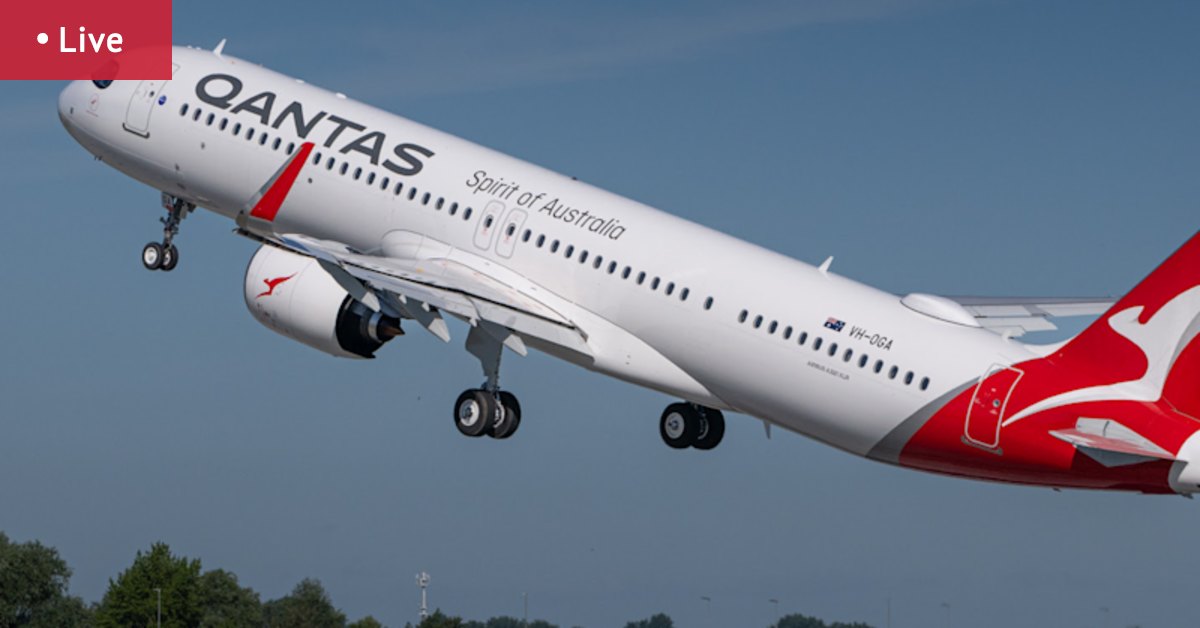
Qantas and LATAM fly from Sydney and Melbourne to Buenos Aires, with stopovers in Auckland and Santiago. Onward flights from Buenos Aires to the port in Ushuaia are included with HX. See qantas.com, latamairlines.com
Cruise
HX offers a variety of expedition cruises ranging from 12 to 24 days, with options to visit the Falkland Islands and South Georgia, starting from $15,840 a person. Rate includes overnight accommodation in Buenos Aires pre- and post-voyage, transfers, all meals onboard, a selection of wine, beer, spirits, and cocktails, complimentary wind and waterproof expedition jacket, and gratuities.
More
travelhx.com
The writer travelled as a guest of HX.
For more on cruising in Antarctica, watch Getaway on 9Now.
Sign up for the Traveller Deals newsletter
Get exclusive travel deals delivered straight to your inbox. Sign up now.