3 months ago
24
3 months ago
24
By Evan Halper and Peter Whoriskey
January 5, 2026 — 7.00pm
There’s a familiar ring to President Donald Trump’s plan to send US energy giants to Venezuela to use the wealth generated from rekindling long-stalled oil production to stabilise that country and cement American energy dominance: similar ambitions accompanied the US invasion of Iraq in 2003.
The quick riches promised did not materialise there, as firms grappled with years of political turmoil and security threats, struggled to negotiate workable contract terms and confronted vexing infrastructure inadequacies. Venezuela may not be any easier, industry analysts warn.
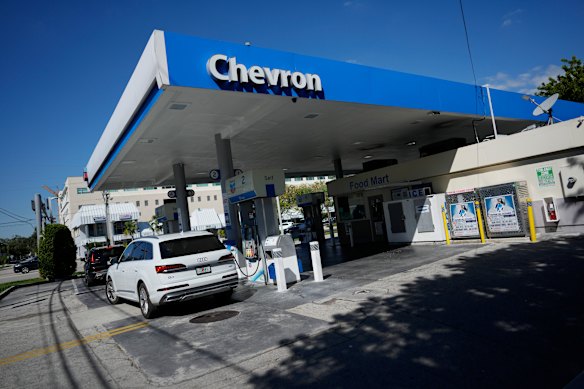
Chevron, which operates in Venezuela now, declined to comment on Trump’s plans.Credit: Rebecca Blackwell
“One of the clear lessons from Iraq – and it is not unique to Iraq – is that you need to have stability and be able to assess risk before you can start production,” said Kevin Book, managing director at ClearView Energy Partners, a research firm. Until then, he said, companies may not be enthusiastic about making the billions of dollars in investments required in Venezuela.
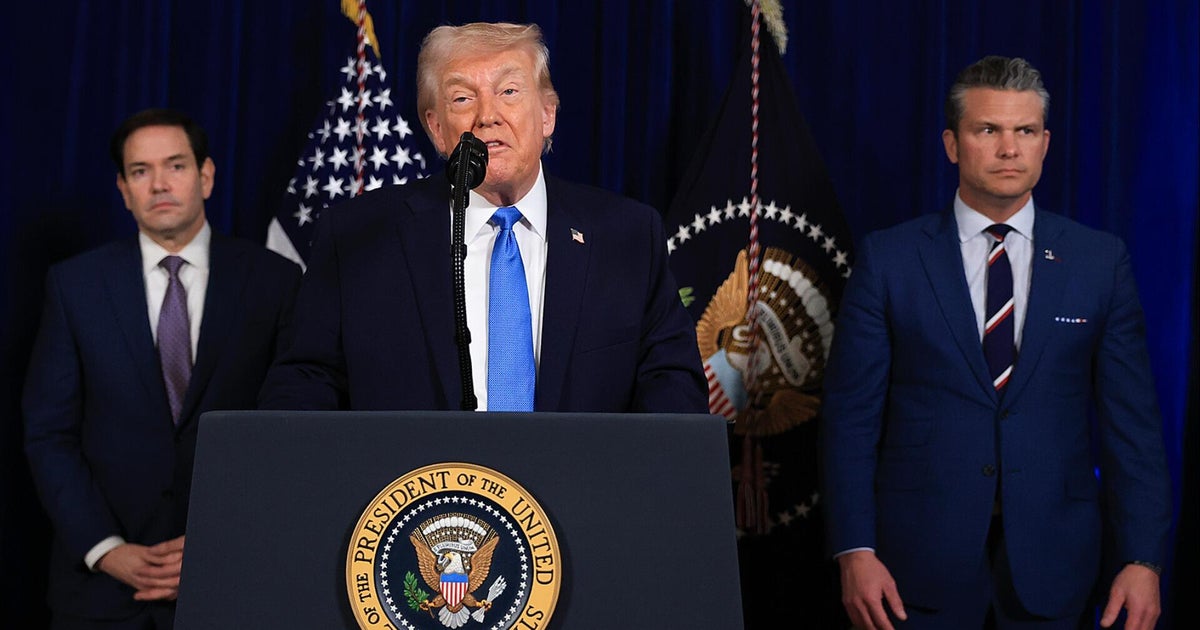
It’s unclear which firms Trump was referencing at a news conference on Saturday morning, when he said: “We’re going to have our very large United States oil companies, the biggest anywhere in the world, go and spend billions of dollars to fix the badly broken infrastructure, the oil infrastructure.”
Chevron, which operates there now, declined to comment on plans. ExxonMobil and ConocoPhillips, which exited the country and saw their assets seized after refusing to meet the terms of Venezuela’s government nearly two decades ago, did not respond to requests for comment.
Loading
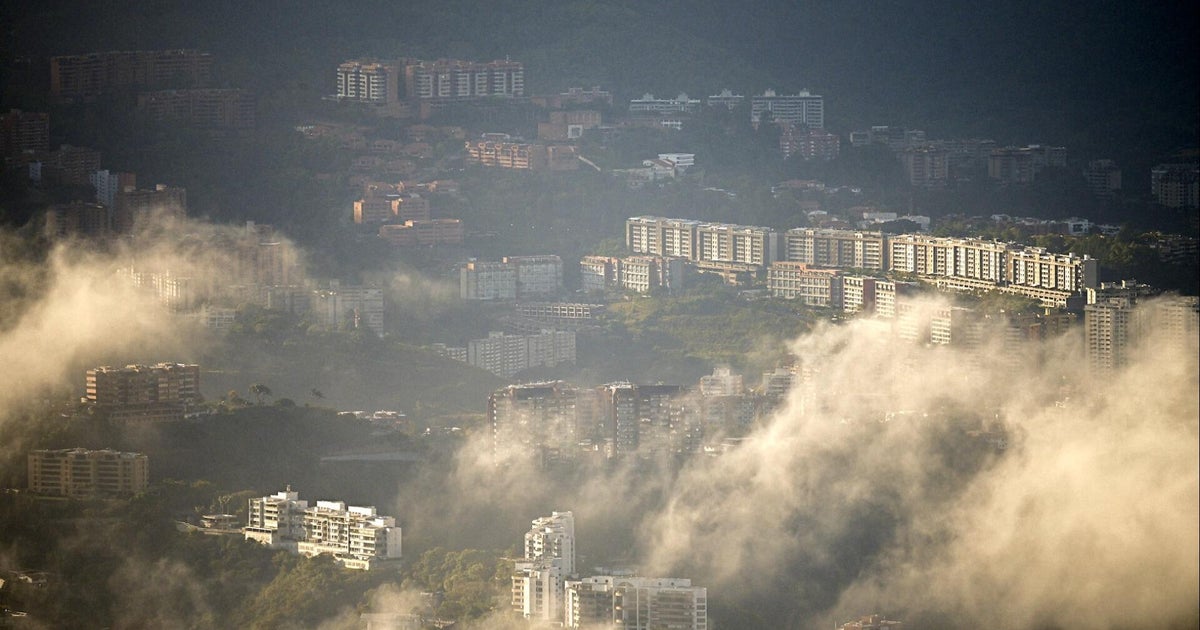
But the appeal is clear. Venezuela has one of the biggest oil reserves in the world, estimated at 300 billion barrels.
“Every major oil company in the world and some of the smaller ones will look closely at this because there are very few places on Earth where you could increase production so much,” said Francisco Monaldi, director of the Latin American Energy Program at Rice University. “But first you need political stability and clarity.”
He said that restoring peak oil production there would cost up to $US100 billion ($150 billion) and take roughly a decade. And that is assuming there is enough political stability for companies to operate unencumbered during that entire period.
There are other obstacles. The oil in Venezuela is a heavy form of crude that is more difficult to process and carries a heavier carbon footprint than oil pumped elsewhere. Venezuela’s power grid is on the brink, creating an uncertain outlook for oil production, which requires massive amounts of energy. Also, Russian and Chinese firms partnered with Venezuela after US companies left the nation, complicating the re-establishment of US firms.
Returning to Venezuela has hardly been a central talking point of US oil companies.
In this era of relatively low oil prices and uncertainty about how robust future demand will be amid an on-again, off-again global energy transition from fossil fuels, firms are anxious about reinvesting tens of billions of dollars more in pumping in Venezuela absent assurances that their investments would be secure for at least a decade, industry analysts say.
Trump’s removal of Venezuela’s leader and plan to put the US in charge of the country for now does not ensure that, despite his sweeping promises.
“We built Venezuela’s oil industry with American talent, drive and skill, and the socialist regime stole it from us,” Trump said. “The oil companies are going to go in. They’re going to spend money there that we’re going to take back the oil that, frankly, we should have taken back a long time ago. A lot of money is coming out of the ground. We’re going to get reimbursed for all of that. We’re going to get reimbursed for everything that we spend.”
Loading
Today, the nation’s oil production is a fraction of what it could be, and its infrastructure is badly frayed because of domestic turmoil, the departure of foreign oil companies and related international sanctions. The nation is pumping a mere 1 million barrels of oil a day, less than 1 per cent of global output. That is also less than a third of its peak production under the Hugo Chávez regime and a quarter of what experts say it is capable of generating.
That oil has largely been purchased by China.
The only American company operating in Venezuela is Chevron, with its production constrained by considerable Venezuelan government restrictions.
“Chevron remains focused on the safety and wellbeing of our employees, as well as the integrity of our assets,” a statement from company spokesman Bill Turenne said. “We continue to operate in full compliance with all relevant laws and regulations.”
While acknowledging that firms have reason to be reticent, Monaldi, of Rice University, pointed to forecasts showing that Venezuelan oil could be crucial to meet rising global demand over the next decade.
But none of this can happen overnight.
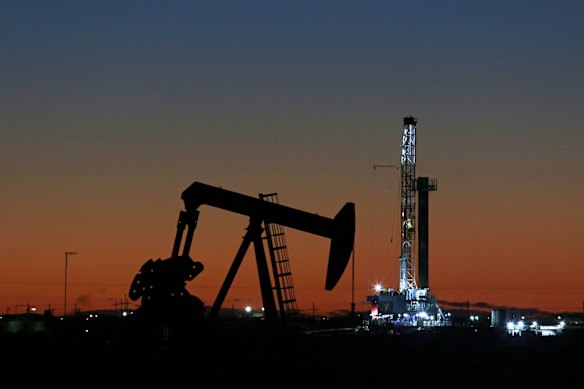
Oil companies have been reluctant even to increase their rig counts in the US.Credit: AP
“Oil companies do not operate in a vacuum, and we are years from significant volume increase,” said Pedro Burelli, a critic of Venezuelan President Nicolás Maduro now living in the United States, and a former board member of the Venezuelan state oil company. “Regulations and contracts matter as US oil companies are publicly traded companies with shareholders who will demand rational investment decisions.”
Oil companies have even been reluctant to increase their rig counts here, despite Trump’s repeated calls for more drilling, amid demand uncertainty and dropping market prices. US oil production soared during the Biden administration, but the pace of growth has slowed since Trump returned to office, with some forecasts predicting declines this year.
Kevin Book, managing director at the ClearView Energy Partners research firm, said oil companies will be looking to sign contracts that they are confident will be honoured for the long term, and there is no government in Venezuela right now that can honour such a contract.
“Before you make all these big investments and start running operations, you also need a stable country with reliable electricity, functioning ports and an available workforce,” he said. “A lot of factors go into pulling this off.”
The Business Briefing newsletter delivers major stories, exclusive coverage and expert opinion. Sign up to get it every weekday morning.
Most Viewed in Business
Loading