
 1 month ago
65
1 month ago
65
Australian travellers have a long-running love affair with Europe, and it’s easy to see why. This is a richly diverse and infinitely rewarding continent, a place of deep history and iconic sights, of incredible cuisine and artistic passion.
Europe is big-hitting countries such as Italy and France, Germany and Spain, among the world’s most popular destinations. But it’s also the smaller-scale joys of Slovenia and Albania, Denmark and Latvia, and more.
You could visit this continent just for the food and have memorable experience after memorable experience. Similarly, you could come for the scenery, or the history, or the culture, or the walks or the cycling and have just as good a time. Or, like so many of us, you could visit Europe for a combination of many or all those things and have the absolute time of your life.
We will always love visiting Europe, and 50 really aren’t enough reasons to explain our affair with the place. But it’s a start. From alpine adrenaline to an Italian trattoria, from cycling paths to world-class museums and galleries, these are the things we will always love about Europe.
The Alps
Sign up for the Traveller Deals newsletter
Get exclusive travel deals delivered straight to your inbox. Sign up now.
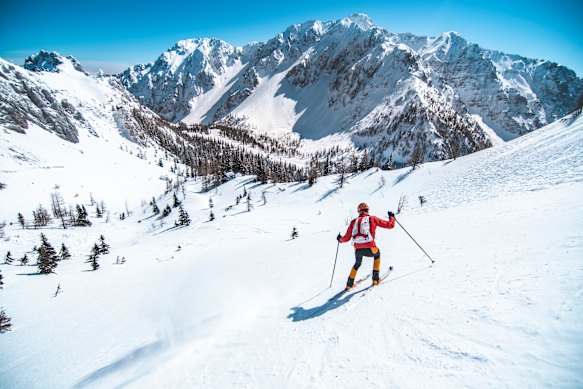
The word “iconic” gets thrown around a little too freely but still, there can’t be a better word to describe the mountain range so synonymous with Europe. These soaring peaks are spread across eight countries and feature names like Mont Blanc, the Matterhorn, the Dolomites, Zermatt, Chamonix, St Anton and more. If that’s not iconic, we don’t know what is.
Regional variation
There are 44 countries in Europe, or 50 by some definitions, but how amazing is it when you realise that even within certain countries there is incredible variation from region to region. In Spain, there are five distinct regional languages; in Italy there are vast differences between the likes of Piedmont and Puglia; Germany ranges from Bavaria to Bremen; and the list goes on, with infinite opportunities for discovery.
The bodegas of Jerez
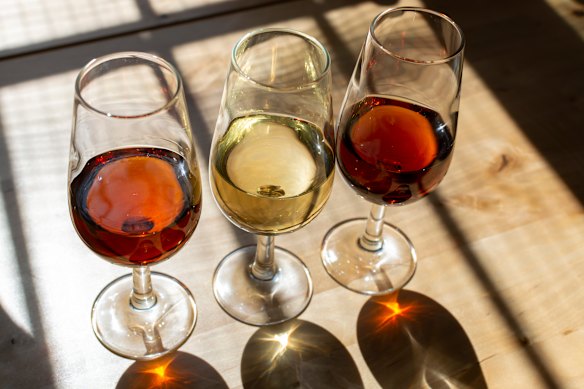
Europe has no shortage of historic and highly enjoyable wine regions, from the chateaux of Bordeaux to the terraces of the Douro Valley to the rolling hills of Langhe. One of the underrated gems, however, is the “sherry triangle” of southern Spain, centred around Jerez, where the bodegas – where sherry is aged and bottled – are laid-back and friendly, and the product is amazingly good value.
River cruising
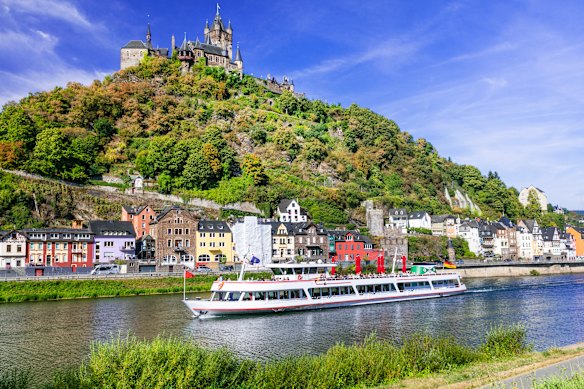
Europe is the ultimate location for river cruising, given the fame of the waterways – the Rhine, the Danube, the Rhone – and the historic towns and cities they snake their way through. Combine this with some cycling, or a focus on food, or a historic bent, and you have a foolproof holiday.
The Asian border
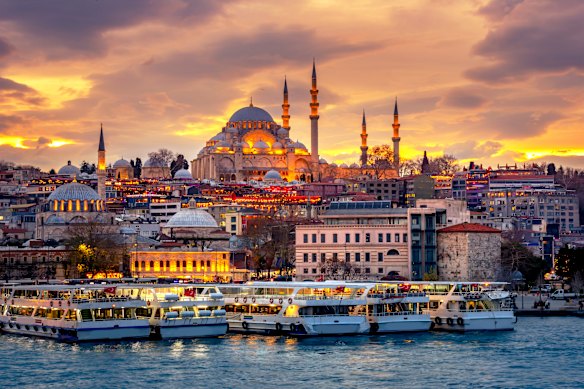
Where does Europe end and Asia begin? Perhaps it’s Istanbul, when you take the ferry from Eminonu to Uskudar. Though it’s also along the Caucasus Mountains, separating Georgia and Russia. And it cuts along the Urals, near the Russian city of Yekaterinburg. When even hopping from country to country is exciting, the chance to cross continents by land provides a rare thrill.
World’s oldest wine culture
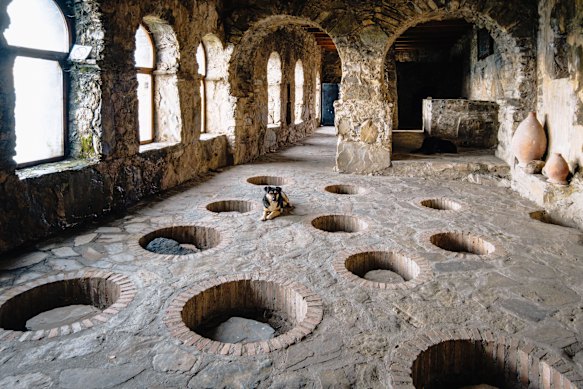
It’s not France. It’s not Italy. It’s not Germany. The country that has a continuous wine culture stretching back more than 8000 years is Georgia. This nation – part of Europe by some definitions – is not only historic but it also has one of the world’s great modern food and wine scenes, and is well worth the time to explore.
Croissants
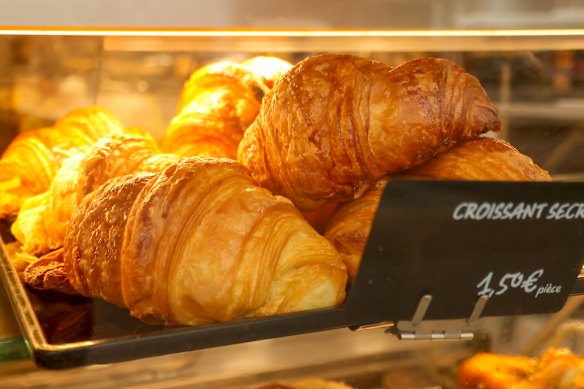
Is there a better pastry on the planet than the simple croissant? Many have copied it, but none do it as well as the French.
Baguettes and butter
While we’re on the subject: French bread, with French butter. A combination that will inspire belief in a higher power because surely such simple ingredients couldn’t render such incredible pleasure.
Fondue
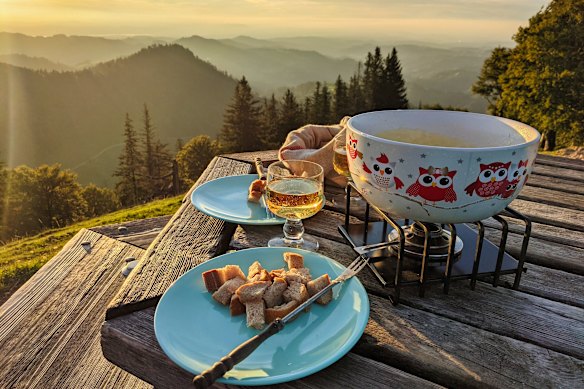
Dispel notions of 70s dinner parties and focus on what is important: a vat of molten cheese. Fondue in Switzerland (and across the border in Austria) is more cultural staple than kitsch throwback, and when you’re huddled around a table in the dark of winter, dipping hunks of bread into hot cheese and sipping cherry brandy, you will understand.
Micro-nations
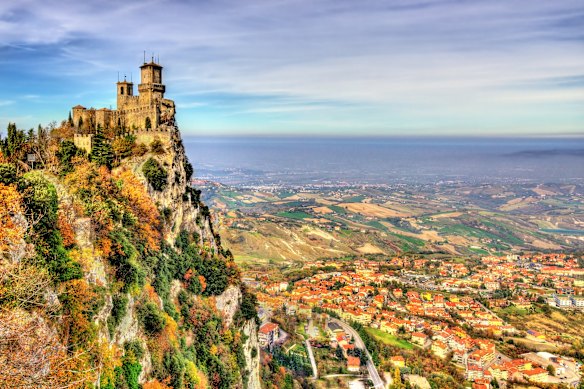
One of Europe’s great charms is its tiny nations, the likes of the Vatican City, Monaco, San Marino, Liechtenstein and Andorra. See a whole country in a day. Tick off another nation on your list. Marvel at the way some nations here are so huge and diverse, and others are small enough to run from one side to the other.
Roman ruins
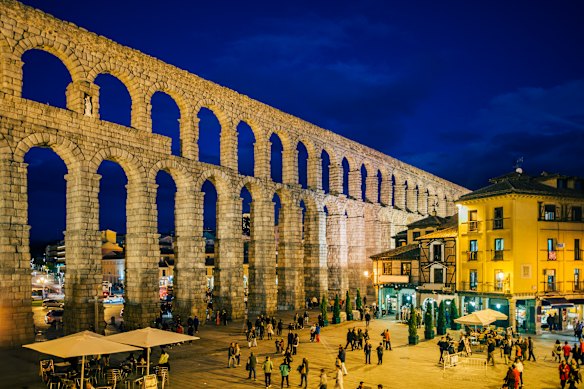
These don’t begin and end in Rome, or even Italy. Don’t forget the Roman aqueducts in Spain, the palaces in Croatia, the temples in Portugal, the baths in Germany, and more. Roman history is strewn throughout Europe, a visual reminder of an all-powerful empire.
The Croatian coast
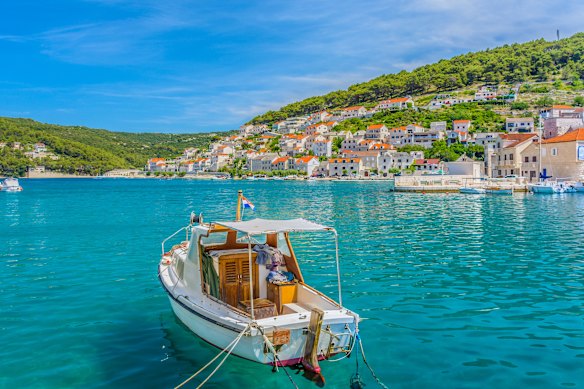
You can’t prepare yourself for the beauty of the Croatian coastline, the impossibly clear water, the white sands, the small seaside villages and the history-soaked cities. A cruise around the islands here or a road trip along the coast is one of life’s great pleasures.
The Albanian Riviera
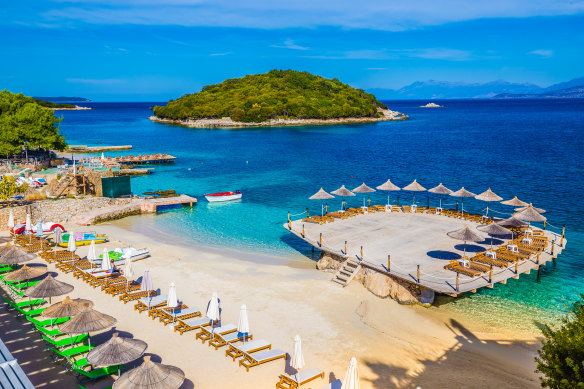
This is Europe’s big up-and-comer, a 130-kilometre stretch of coastline from Vlore to Ksamil, stunningly beautiful and comparatively untouched. With Corfu to the south and the heel of Italy to the west, you can imagine the scenery here, with plenty of small towns and villages in which to escape the masses.
Fiercely independent regions
Try telling someone from the Basque Country, or Catalonia, that they’re Spanish. Or tell a South Tyrolean they’re Italian. Or an Aland islander that they’re Finnish. Europe has numerous semi-autonomous regions, places where you can discover a distinct culture within a culture, and meet people with a strong sense of identity.
Berlin
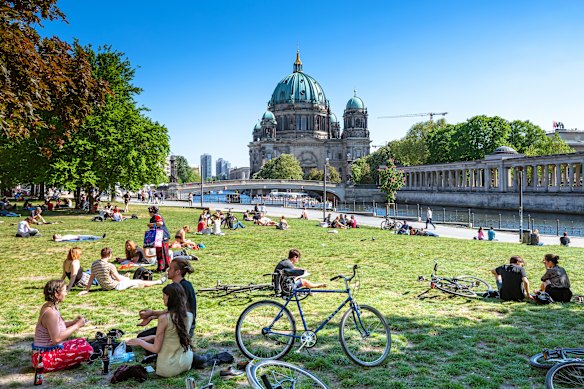
There’s nowhere else in the world like Berlin. This city is defined by its history, a deep rent that changed its culture and character forever. The creative, artistic freedom of Berlin, the occasional sense of anarchy, the diverse ethnic make-up, the beauty and the grit – this intoxicating blend just can’t be replicated.
Affordable beer and wine
Go into a supermarket in Europe (outside of Scandinavia, that is), or a bottle shop and peruse the prices: a few euros for a beer, 10 euros or less for a bottle of wine of reasonable quality. This is how it should be.
The Czech countryside
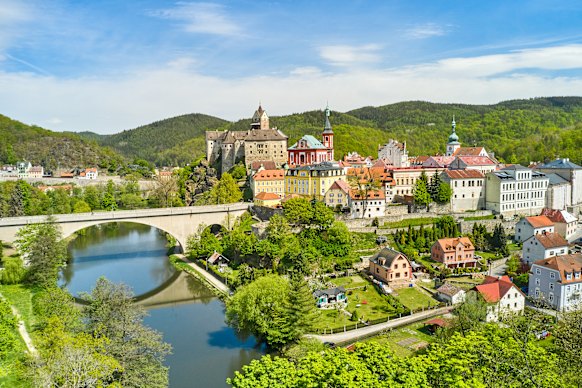
Much love gets sent the way of Prague, the Czech capital with its gothic charm. But don’t forget rural Czechia, the small towns amid rolling hills where it’s so much easier to connect with local culture. Check out Litomysl, Mikulov, Tabor, Loket and more.
Bulgarian ski fields
There’s much to love about Bulgaria as a whole, not least its capital, Sofia, with more than 7000 years of history. But the attraction drawing interest now is the country’s ski fields, which offer something few places can: affordability. The snow is reliable here, and the prices are low.
Swiss sledding
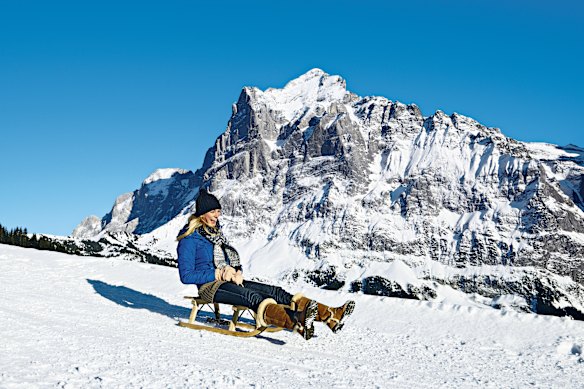
There’s something incredibly wholesome, while also white-knuckle exciting, about the Eiger Run, a three-kilometre toboggan trail in central Switzerland. Participants can hire old-school wooden toboggans from Alpiglen, a tiny mountain village, and plummet down a steep, snowy trail to Brandegg, where there’s a train to whisk you back to the top for more fun. There’s also beer and fondue at both the top and bottom.
Christmas markets
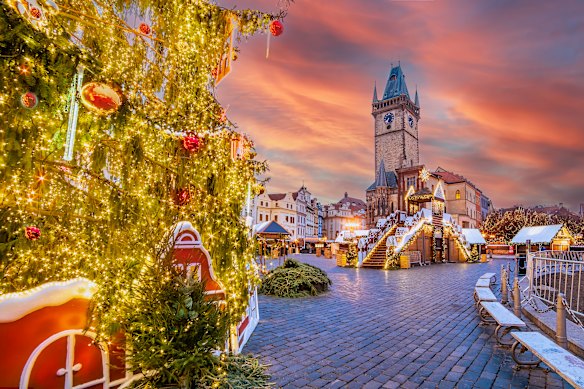
The fame of these traditional markets has spread around the world now, but there’s nothing quite like a visit in Europe. In the likes of Strasbourg, Vienna, Prague and Nuremberg, Christmas markets offer history and tradition, with classic snacks and drinks, handmade products, and magic in the air.
Cultural festivals
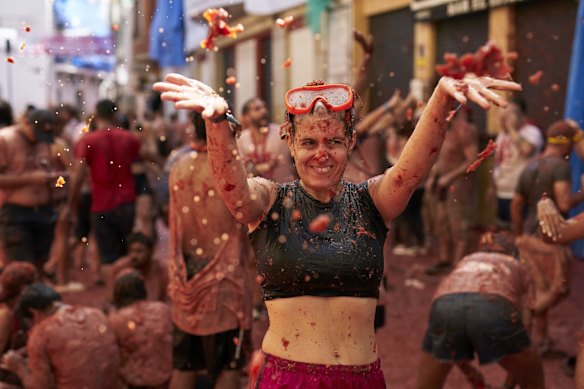
You probably know Carnival in Venice, Oktoberfest in Munich, King’s Day in the Netherlands, Las Fallas in Valencia. But the glory of Europe is that there are so many cultural festivals spread across the year in every city, town and village, a never-ending celebration of identity and tradition.
Fika
This Swedish tradition is clearly one coffee-obsessed Australians can get on board with: fika is essentially a coffee break, though in Sweden, it’s more than that. It’s a social event, a time to relax and decompress and talk to friends and colleagues, while also drinking coffee and eating pastries or cakes.
Museums and galleries
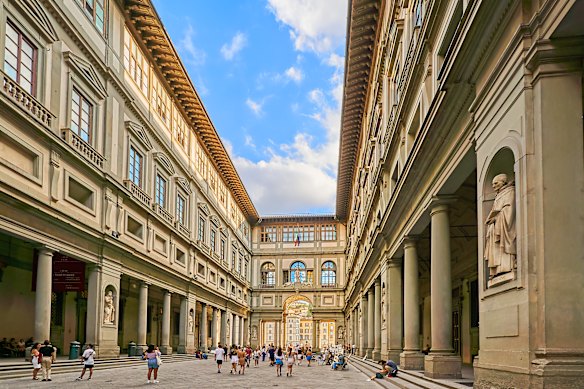
Much like the cultural festivals, there are iconic museums and art galleries in Europe that will be instantly recognisable: the Louvre, the Musee d’Orsay, the Prado, the Vatican Museums, the Uffizi Gallery and more. But again, Europe is awash with much smaller but no less rewarding cultural establishments, from the quirky to the beautiful, modern to historic.
Lesser-known gems
We’ll talk a lot here about Spain and Italy, France and Germany, the most popular destinations because they’re popular for a reason. But save space for Europe’s lesser-known destinations, its many nooks and crannies that reward slow and careful exploration. This is a continent in which to take your time and allow the heart of this place to gently reveal itself.
Pilgrims’ trails
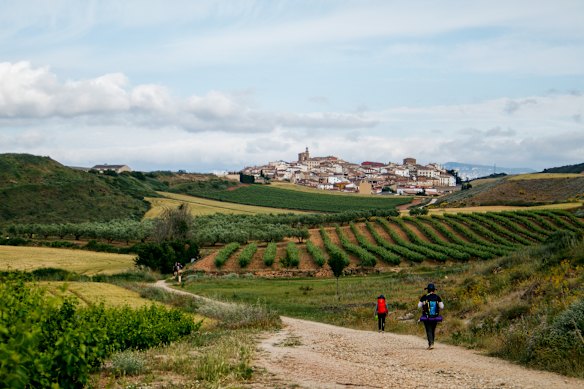
For millennia, religious pilgrims have made their way along well-worn paths to important spiritual sites. Now, travellers seeking a slower form of travel are doing the same, on the Camino de Santiago in Spain, the Via Francigena in Italy, the Camino Frances in France, or Camino Portuguese.
Italian trattorie
There are few dining experiences better than those offered by simple, humble, traditional restaurants in Europe. Italian trattorie pop to mind instantly, the family atmosphere, the high-quality, affordable cuisine. But you could list French bistros, Hungarian csardas, gasthauser in Germany, tascas in Portugal, tavernas in Greece. Almost every country has a version of traditional, hospitable and delicious dining.
Tapas/pintxos culture
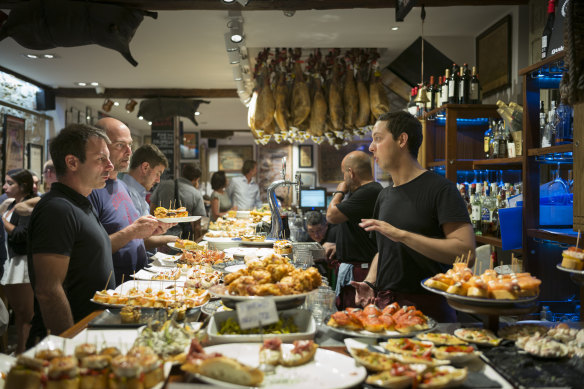
What do you feel like eating tonight? How about a few little bites of every dish you fancy, washed down with a cheap drink or two, surrounded by hundreds of people out doing the same? That’s the culture of tapas and pintxos in Spain, bite-sized wonders that are as much about the social occasion as the cuisine.
Cornetto e cappuccino
There are many great breakfasts in the world, but few can surpass the Italian “cornetto e cappuccino”, a croissant-shaped pastry stuffed with flavoured cream, served with a perfectly smooth coffee.
Greek/Italian/Spanish/Croatian islands
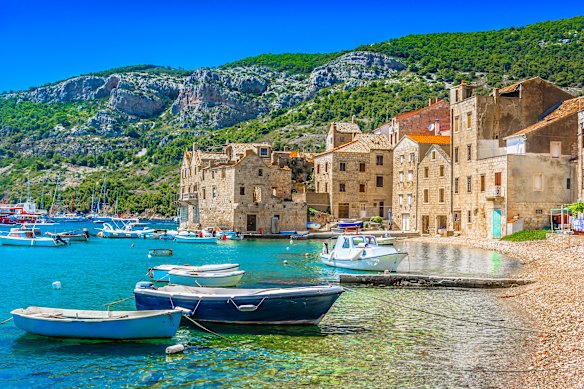
We can’t narrow this down to just one country. Let’s just direct our attention to the Mediterranean, to the hundreds of tiny outcrops of land lined with whitewashed fishing villages and historic towns, the family-run eateries beside sun-drenched beaches, the rugged interiors, the laid-back residents. Take a boat cruise, take a walk, or just lie on the beach or order an Aperol Spritz and live the dream.
Proximity
This is surely one of Europe’s key attractions: everything is so close. Getting tired of Spain today? Drive a few hours and you’re in France. Not sure Prague is really your vibe? Jump on a train and you’re in Germany. New people, new language, new culture, new history. The roads are good, trains are a pleasure, and everything is right there.
Cheese
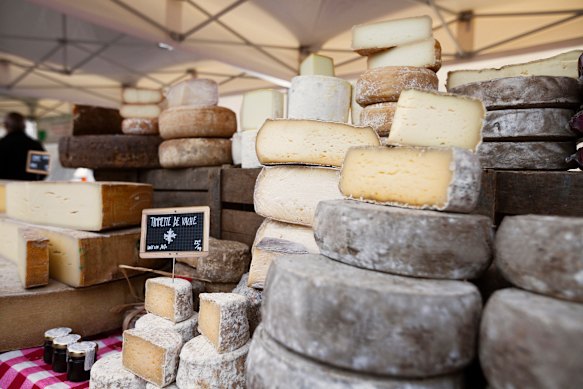
From fromage to formaggio, queso to kase, every country in Europe makes cheese and it’s all so good. France is justifiably most famous, but don’t forget queso de Cabrales from Spain, or aged Gruyere from Switzerland, raw boerenkaas from the Netherlands, briny feta from Greece, creamy burrata from Italy, seared halloumi from Cyprus. You could travel to Europe just for cheese and return home happy.
Finnish saunas
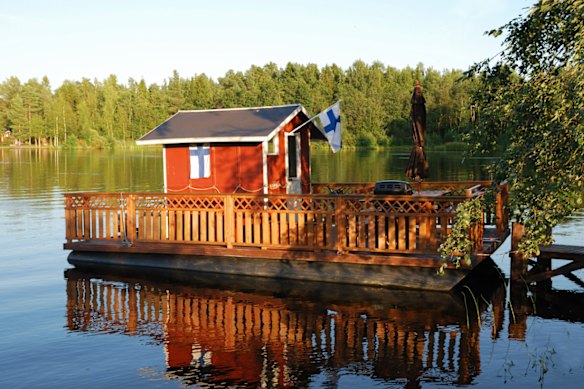
A sauna in Finland isn’t a luxury: it’s a basic need. Finland has an estimated three million saunas for a population of 5.6 million people. So it’s not difficult to find a wooden box in which to sit and sweat, and then dive into a freezing cold lake or pool, and then sweat it out again, all while socialising and calming body and mind. Is it any wonder this is rated the happiest nation on Earth?
Train travel
Locals love to complain about the Deutsche Bahn in Germany, or the Renfe in Spain, and so on. For visitors, however, the network of trains in Europe is a pleasure, affordable and comfortable, fast and efficient, where you can sit down and watch as one country magically becomes another, as Europe slides by and the next adventure begins.
Living history
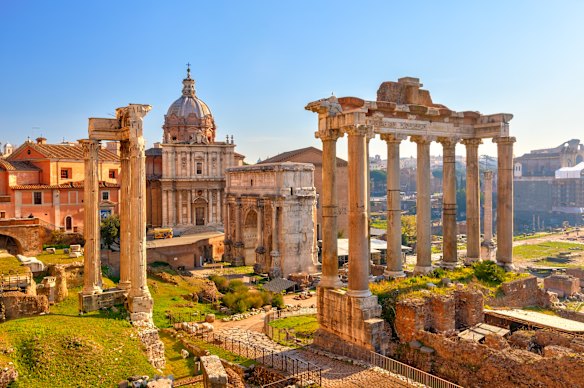
It might be a cliche to call Rome a “living museum”, but it’s also true. History lives and breathes across much of Europe: it’s a presence that is always nearby, visible in buildings and monuments, in the food on your plate, in the faces of the people around you.
Multi-generational living
Tourists tend to remark on the old men in Europe playing chess in the piazza, or the elderly women walking arm in arm along the promenade. These are just the most visual displays of the fact that in many European communities, all generations live close together. They socialise in the same venues, they exist in the same spaces: kids, youths, families, retirees, the elderly. It’s a pleasure for visitors to experience.
Cycling culture
From Denmark to the Netherlands, Germany to Spain, Europe as a continent is highly supportive of cyclists, with bikes baked in as a form of transport as well as exercise. Whether you’re hiring a bike to get around town or jumping on a road bike to do long distances, that support and respect for cyclists is always welcome.
Markets
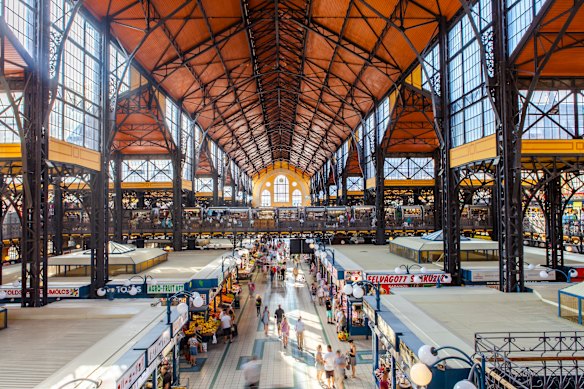
There are few joys greater than a wander around a French market, with the incredible arrays of local, seasonal produce. But markets exist in Sweden and Denmark, in Hungary and in Slovenia, in Spain and Italy. Find the best food, free of the supermarket duopoly, with restaurants nearby, cafes overflowing, a sense of joy throughout.
Swedish islands
We all lust after the sun-drenched islands of the Med, but what about the rugged beauty of the Stockholm Archipelago, more than 30,000 islands stretching out in the Baltic Sea? Ferries run between these outcrops, which are favourite places for Stockholm residents to relax and play, to swim and hike, to dine and socialise.
Aurora chasing
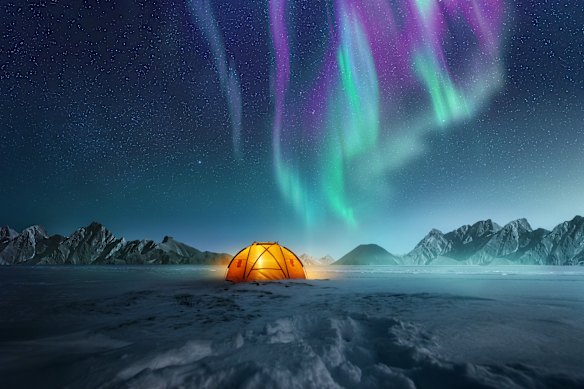
The famed northern lights can be spotted in Norway, Sweden, Iceland and Finland, and what an experience it is to stand there in the cold and the dark and watch colours dance across the sky.
National parks
This is something of an underrated attraction in Europe, but the likes of Plitvice Lakes National Park in Croatia, Jotunheimen in Norway, Swiss National Park in Switzerland, Black Forest in Germany, Hortobagy in Hungary, Vatnajokull in Iceland, Triglav in Slovenia, and more are truly gorgeous.
Beer halls
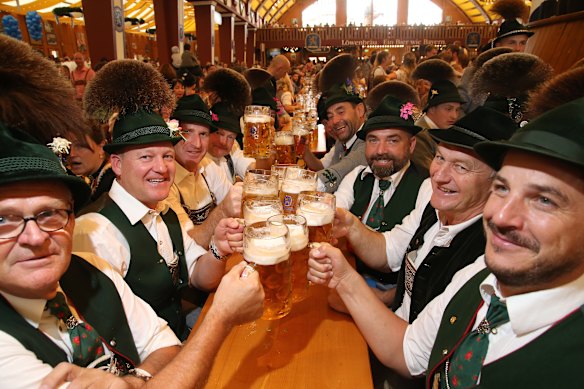
Raise a glass – often a very, very big glass – to the brilliance of a European beer hall, most often found in Germany and Czechia, but also Belgium and Austria, Poland and Croatia. These are places to drink beer, eat traditional food, maybe even dress in local garb and sing a few songs.
Traditional dress
Speaking of local garb, who doesn’t love a German dirndl or lederhosen, or Norwegian bunad, Albanian fustanella, Maltese ghonnella, or Slovak kroje? Every European nation has traditional national dress, and it’s always fun to see it worn.
Amsterdam
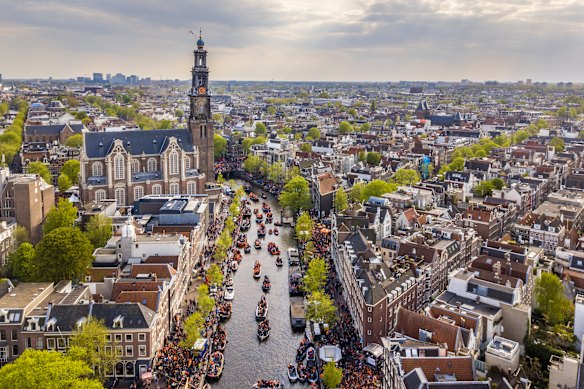
Another of the great cities of Europe, far greater than its red-light reputation. Amsterdam is a city of high culture, with the Rijksmuseum and the Van Gogh Museum, though it’s also a place to cycle beside canals, to wander through flower markets, to eat apple pie, to stroll in the Vondelpark or pick up vintage clothes at Albert Cuyp. A joy any time of year.
The Norwegian fjords
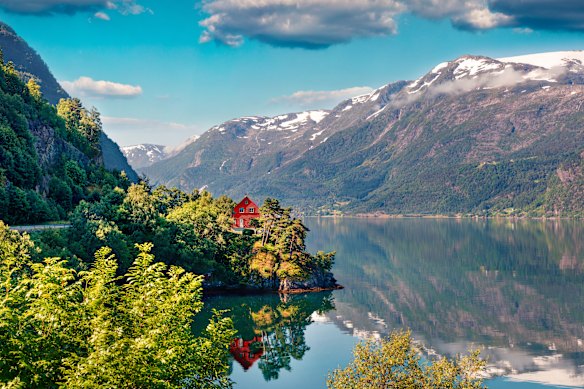
The coastline of Norway is one of the most spectacularly beautiful places on the planet, perfect for exploring by ship, taking in endless inlets and towering peaks, glassy waters and abundant sea life.
The Baltic states
We have barely had time here to pay homage to Estonia, Latvia and Lithuania, all glorious in their own right, filled with history both medieval and more recent. A visit to Tallinn’s Old Town, or Riga’s Art Nouveau district, or Vilnius’s heritage-listed Old City should be on every traveller’s wish list.
Riverside fun
Here’s something you may not have dreamed of doing in Europe: floating down a river on an inflatable raft. In Bern, Switzerland, locals spend summer afternoons on the Aare River, floating into town and pulling up on the riverbank for a drink or a barbecue. In Cesky Krumlov, Czechia, people do similar on the Vltava River, floating gently through the historic city on inflatable craft.
Emilia-Romagna
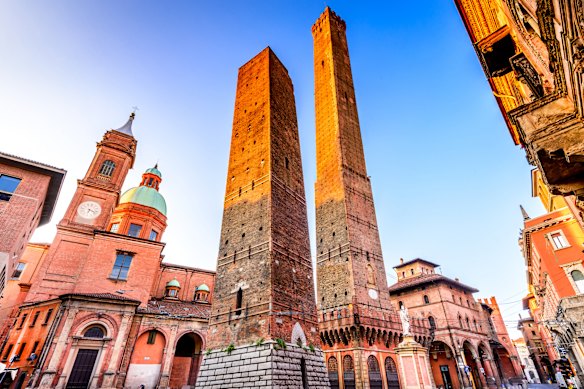
This is clearly Italy’s best region. Although maybe it’s Tuscany? Or Sicily? Or Veneto? OK, there’s no clear winner, though for a region that has it all, it’s hard to look past Emilia-Romagna. This is the home of Bologna and Parma, of Ferrari and Parmigiano-Reggiano, of Fellini and Pavarotti, of rolling green hills and historic cities, wine and pasta and all the things we love.
Viennese culture
Some people view a raucous beer hall as an enjoyable demonstration of culture. Others, meanwhile, prefer the opera, or a classical concerto, performed in an ornate hall or theatre, book-ended by palace visits and chocolate cake. For the latter, Vienna is your city.
Cold War history
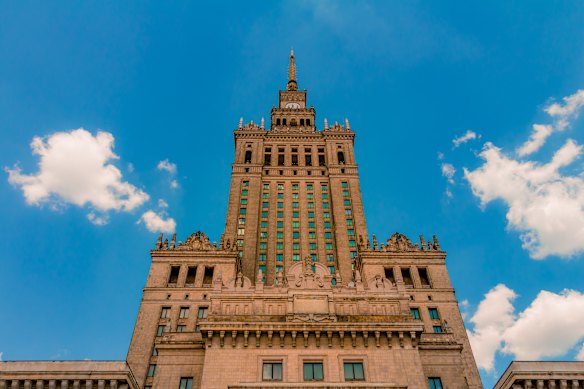
It’s always fascinating to find the history of the Soviet Union pop up, a visual reminder of the recent past. See the Memento Park in Budapest, filled with Soviet-era statues, the towering Palace of Culture and Science in Warsaw, the imposing Valour sculpture in Belarus, and the endless Mamutica apartment block in Zagreb.
Everything we’ve missed
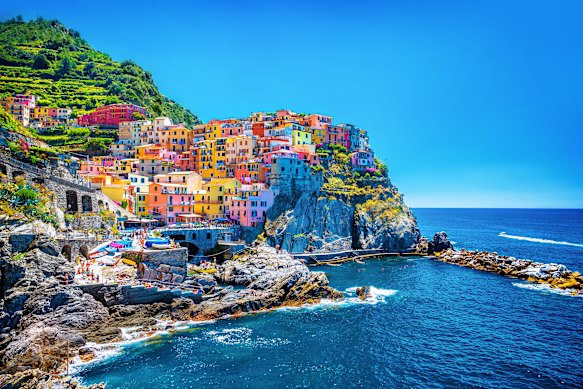
This is not a comprehensive list. It’s impossible to sum up everything we love about Europe in just 50 entries, impossible to capture all the countries and all the cultures and all the rituals and traditions that make this continent so endlessly exciting. So, an apology if your favourite place or practice has been missed. We acknowledge there are many, which surely shows what an amazing place this is.
FIVE THINGS WE DON’T LOVE SO MUCH
Coffee
Italians, you can take a seat, your coffee is just fine. For most other nations, however – we’re looking at you France and Spain, not to mention Germany and Austria – your coffee is bafflingly bad. The culture for drinking it is there, the appreciation for good things exists … So why aren’t you making better coffee?
Rigidity of hours
Good luck getting anything done between about 2pm and 4pm in Spain – most shops will be closed. Have fun trying to get lunch in France after 2pm – no one will serve you. And try going to the supermarket in Germany on a Sunday – you will find it closed, by law. There are good reasons for these practices, though as a visitor, they take some getting used to.
Beaches
It’s a real shock, particularly for Australians, to discover you have to pay to access a beach. This happens a lot in Italy, where there are extensive lidos, though you will find it in other countries as well. It’s also a shock to visit an iconic beach such as Nice and find that it’s all pebbles.
Overtourism
This isn’t entirely the fault of Europeans who are swamped with visitors purely because their homes are so attractive. Overtourism could, however, be handled much better by local authorities. In the likes of Barcelona, Prague and Amsterdam, it seems easier to stir up anti-tourist sentiment than to actually do something to alleviate the issue.
Strikes
We support the right of workers to have their say, but do they have to do it while we’re trying to use the airport, or ride on the trains, or access the museums? It doesn’t matter where you are in Europe, there always seems to be some sort of industrial action throwing a spanner in the works.

















































