3 months ago
7
3 months ago
7
Tenant households hoping to avoid rental stress would need a six-figure income to afford the typical house – and a 51 per cent pay rise since 2019.
The income required to rent a typical capital city house rose to $112,667 by September, up from $74,533 six years earlier, Domain analysis shows.
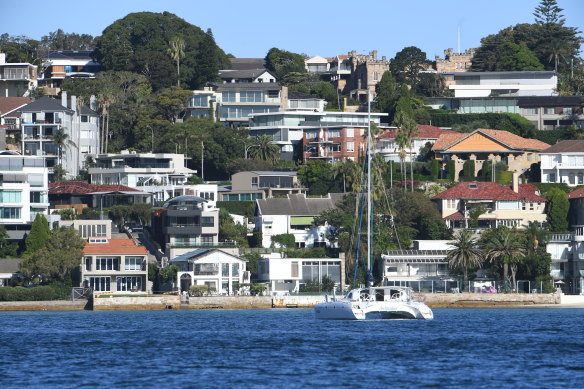
Vaucluse tenants would need high incomes.Credit: Peter Braig
A six-figure household income is now required in many cities, although Sydney was highest at $135,200 for the typical house and $130,000 for a unit, found the report Renting in 2026: The income you need to earn to live where you want.
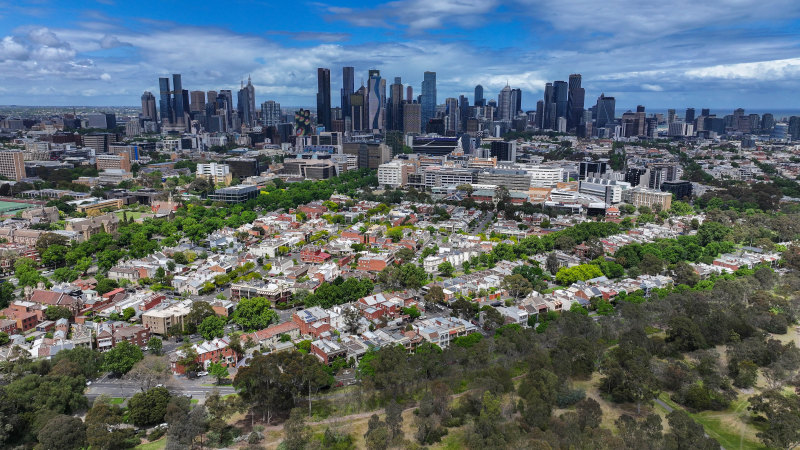
Melbourne renters would need $100,533 for a house or $99,667 for a unit.
Tenants would find little relief in Brisbane ($114,400 for a house, $109,200 for a unit) or Perth ($121,333 for a house or $104,000 for a unit).
The research assumes that households spending more than 30 per cent of pre-tax income on rent are in rental stress, a standard threshold. Individual average annual earnings are $80,200, the report said, adding this was well below what was needed for most inner- and middle-ring suburbs.
Domain senior economist Joel Bowman said six-figure income requirements are becoming the norm for renter households.
“Australia is heading into 2026 with renters facing the widest gap in years between where they want to live and what they need to earn to live there,” he said.
“That’s a reflection of rents – they’ve risen much faster than wages. Vacancy rates remain critically low.”
Loading
He said tenants are reaching their affordability limits as rents have hit record highs, albeit the pace of growth has slowed.
“It’s a challenge. They’re having to allocate more of their income to put a roof over their head. Certainly it’s not a good thing given it places a lot more stress and strain on renters.”
He said many middle- to lower-income households are excluded for inner to middle suburbs, and especially in Sydney. More affordable pockets are available further away, but come with longer commute times and travel costs.
For households seeking executive rentals in the most sought-after suburbs, the required incomes would be much higher, albeit rent stress may not be such a burden.
A household in Sydney’s Vaucluse would need an annual income of $511,333 to avoid spending more than 30 per cent of its earnings on rent. Lofty pay packets are also needed for houses in Dover Heights ($485,333) Double Bay ($476,667) and Bellevue Hill ($407,333).
In Melbourne’s Toorak a household would need to bring in $225,333, or $224,467 to live in Brighton.
Tenants should aim to earn $242,667 to live in Perth’s Dalkeith or $190,667 to take the keys to a house in Brisbane’s Teneriffe.
Elsewhere, to find a house with an income of less than $90,000 in Sydney households would need to look to the western suburbs, while the cheapest options in Melbourne were in the Melton area for an income of under $75,000.
“Renters are facing some of the toughest trade-offs in quite some time, thinking about the trade-off between space, location and lifestyle,” Bowman said.
He said better housing supply could improve rental affordability, especially medium density options in inner and middle suburbs. He also called for an efficient use of housing stock, such as considering the exemption of the family home in the age pension test to encourage downsizing and make family homes available for younger households on middle incomes.
A separate report this week from KPMG found 12 per cent of Australian homes were affordable to first home buyers, less than five years ago.
Independent economist Saul Eslake attributed the rise in rents to a mismatch in supply and demand.
Since Australia’s borders reopened post-lockdown migration had returned, and migrants tend to rent at least at first, he said.
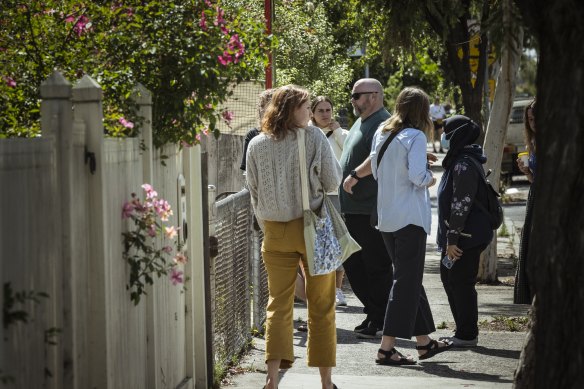
Rents are at record highs.Credit: Chris Hopkins
The supply of housing has also been growing slowly, he added, although he acknowledged government efforts to reform planning laws and encourage institutional investors to own rental housing.
But he said over a longer time frame, there was a growing cohort of renters who could afford to pay market rents and could have bought a home in previous decades, but may be competing with investors for the same established homes.
Loading
Eslake said more than 80 per cent of home lending to investors went to established homes, not new builds, and more than 40 per cent of housing loans were going to investors.
He called for tax concessions for investors who buy established properties to be reduced or scrapped, but said the concessions should be retained for purchases of new homes.
“Property investors like to pat themselves on the back for adding to the supply of rental housing,” he said. “At the very same time they do that they are adding to the demand for rental housing by outbidding prospective owner occupiers.”
Most Viewed in Property
Loading