3 months ago
17
3 months ago
17
Say yes to these drugs. They will save your life
Opinion
January 14, 2026 — 5.00am
January 14, 2026 — 5.00am
I was in hospital last year for one of those endless bloody check-ups you get at my age if you have an iffy family history. The doctor asked me how I’d lost weight. Drugs? Yeah, nah, I’m a medical miracle. Lost 57 kilos in 2009 and have kept most of it off.
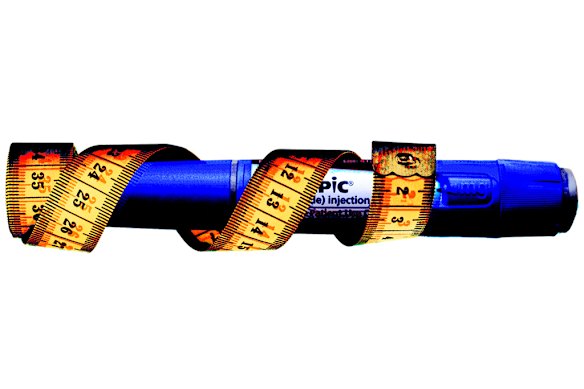
Whether you lose weight through dieting or injections is unimportant. Credit: Richard Giliberto
Diet and exercise, I said. Good on you, he replied cheerily. His meaning? That taking weight-loss drugs is somehow cheating.
You’re a tiny bit vulnerable when you are on your back with beeping things attached to you, so I couldn’t tell him to get lost. Unusual for me.
The skinny among us have no idea what it’s like to be fat, overweight, obese. They think it’s just a matter of willpower. “If only you’d stop stuffing your face.” But everything around us encourages us to stuff our faces. The world we live in is completely obesogenic. From what’s in the supermarket aisles to the way our working lives are designed to make us sit on our bums for hours at a time to the availability and relative cheapness of fast foods compared with fruit and veg.
If you are inclined to put on weight, while those around you with better metabolisms eat the same things you do but remain skinny minnies, it’s frustrating.
Loading
You have to make huge changes to your life to give yourself a chance at life.
News that weight-loss drugs only really work if you keep at them forever should not surprise anyone. As Wendy Tuohy wrote last week, people prescribed those drugs need to stay on them to prevent rapidly regaining lost weight and reversing health benefits. Experts told her this was entirely expected.
Our bodies go nuts after we lose weight. Sure, all the numbers look great – the cholesterol, the blood pressure, yada yada yada. But as Samantha Hocking, Sydney University endocrinologist, told Tuohy, our bodies increase hunger hormones and lower satiety hormones. We want more and we feel hungrier.
Dr Skinny, the man who applauded my efforts, has clearly never had to refuse a chip in his life. Slight diversion: I mention chips – I always mention chips because they are utterly, crisply, saltily delicious.
Loading
A few years ago I interviewed Eric Rimm, professor of epidemiology and nutrition and director of Harvard Chan School’s program in cardiovascular epidemiology. He was the bloke who told The New York Times: ”I think it would be nice if your meal came with a side salad and six French fries.” Six chips. And he wondered why there was an instant backlash. I mean, who stops at six chips. Not even Rimm himself, he confessed to me.
I’ve written before about how hard it is to lose weight and how hard it is to keep it off. Yes, I lost all that weight despite menopause. But I am still overweight. People with no boundaries (it’s OK, I forgive you. I don’t have boundaries either) ask me why I can’t lose more. God knows.
But in this kind of environment, we need all the help we can get. And if in 2009, when my GP read me my death notice, there had been revolutionary weight-loss drugs such as Ozempic, Wegovy and Mounjaro, I would have signed up in a flash. And I would have signed up for life. Never mind the cost.
And yes, it is still a pain. These days, I have both fond and grumpy memories of how it happened after decades of failure. My GP enrolled me in a clinical trial run by the University of Sydney, the Live Life Well program. I have to exercise every day. I still have to think about what I put in my mouth. If I have a blowout one day, I need to really dial back over the next few days. My friends on weight-loss drugs tell me they have also had to rethink how they live their lives. Those using the last dramatic weight intervention – gastric banding – had the same experience.
It’s hard, no matter how you do it. And keeping it off is even harder. If taking weight-loss drugs makes it easier for anyone, sign them up. Late last year, the World Health Organisation urged governments to make drugs such as Ozempic more affordable, publishing new guidelines that endorse them to treat obesity. We should make them free. It would save lives and save money.
Jenna Price is a regular columnist.
Get a weekly wrap of views that will challenge, champion and inform your own. Sign up for our Opinion newsletter.
Most Viewed in Lifestyle
Loading