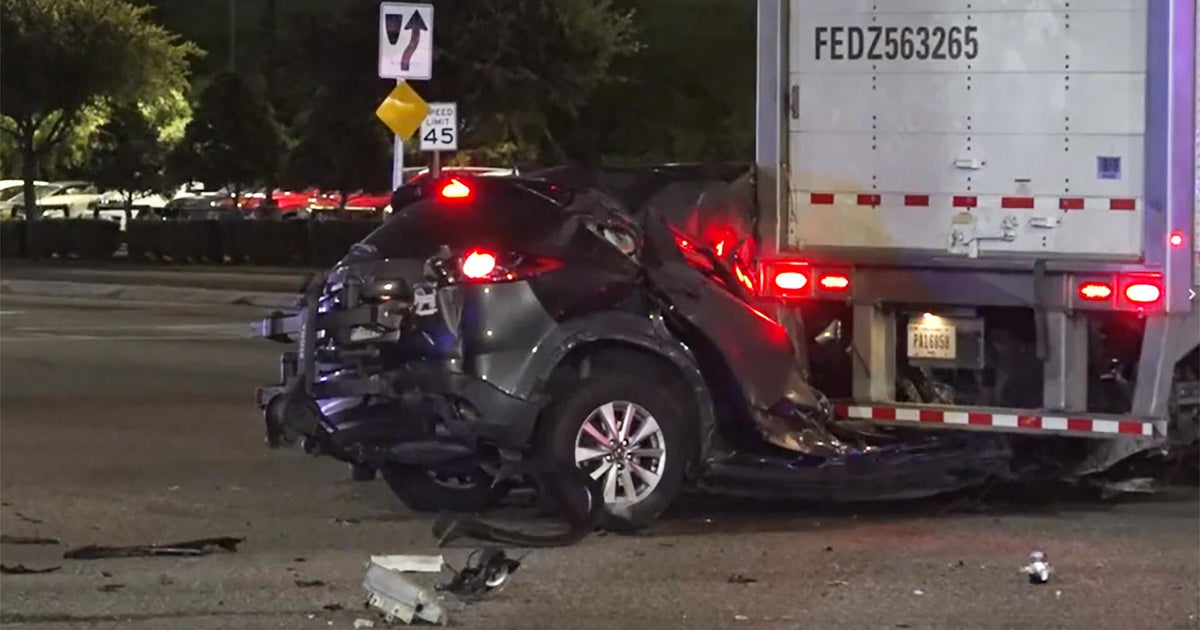
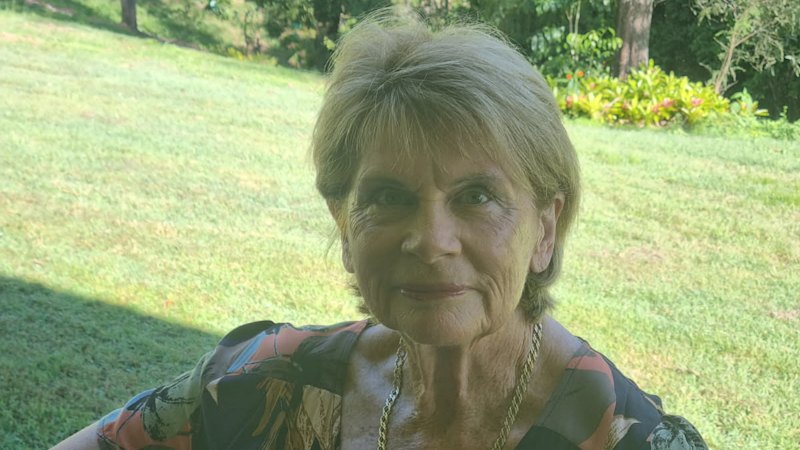
Renee Nicole Good, 37, was in her SUV when federal immigration officers surrounded it Wednesday morning, at one point attempting to open her door. She was fatally shot when she tried to drive forward. Bystander videos have gone viral on social media in the wake of the shooting.
When incidents such as this happen, law enforcement officers often say these are split-second decisions. The latest policy for ICE and DHS agents, which was last updated in 2023, gives only two acceptable reasons for an officer to fire a weapon into a moving vehicle — when the driver or someone inside the vehicle has a deadly weapon, or when the vehicle itself is a threat and no other reasonable defensive option exists, including moving out of the way.
Homeland Security Secretary Kristi Noem said on Wednesday the officers involved acted in self-defense, and that Good had "weaponized her vehicle."
CBS News reviewed bystander video of the shooting frame-by-frame with retired ICE agent Eric Balliet to discuss the tactics used. He spent a quarter-century with federal law enforcement and was injured in a vehicular assault in 2008.
Baillet said one of the first things that struck him in video from Wednesday's shooting was that he didn't hear the officers identifying themselves.
"I don't hear anybody (saying) like, 'Hey, police!'" Balliet said.
The agent who opened fire was part of an ICE Enforcement and Removal Operations team, part of a surge of 2,000 federal agents sent to the Twin Cities area in recent days.
Another aspect of the video Balliet commented on was the placement of the officers. Video shows three officers near the vehicle, two to the side and one directly in front of the vehicle.
"I don't understand the tactical or law enforcement advantage of someone on foot in front of a moving, running or occupied vehicle. You're almost inducing a shooting if that person decides to flee," he said.
When the car accelerates, the officer in front of the car appears to fire three shots, killing Good and sending her vehicle careening into a parked car.
"If someone is fleeing, that is not a justification for the use of deadly force. The threshold becomes: is your life in imminent danger or is someone else's in imminent danger?" Balliet said.
Balliet also focused on the direction of the car wheels, which he says indicate Good may have been trying to turn away from the officers.
"She's trying to get around that vehicle, is what it appears to me. She has the steering wheel turned to the right, and she's trying to get away," he said.
Balliet acknowledged that agents regularly encounter demonstrators, which can heighten tensions, but he added that it's law enforcement's job to de-escalate the situation.
"I hate to say it, but you have to tune out the noise. You have to focus on your objective," Balliet said.
In November, Balliet reviewed videos of previous ICE encounters and told CBS News that some of the those clips showing use-of-force in clashes with anti-ICE protests "isn't policing and law enforcement as I practiced it for 25 years."
Noem said Wednesday that the ICE officer who shot the woman in Minneapolis was involved in an incident with an "anti-ICE rioter" in June. She said that the officer, who has yet to be identified, was taken to the hospital after Wednesday's shooting and has since been released
Federal officials have called the influx of 2,000 federal law enforcement members the largest deployment of agents on a single location in ICE history.
Video of moments before Minneapolis shooting
Video shows moments before ICE officer fatally shoots Renee Good in Minneapolis
(10:11)