3 months ago
28
3 months ago
28

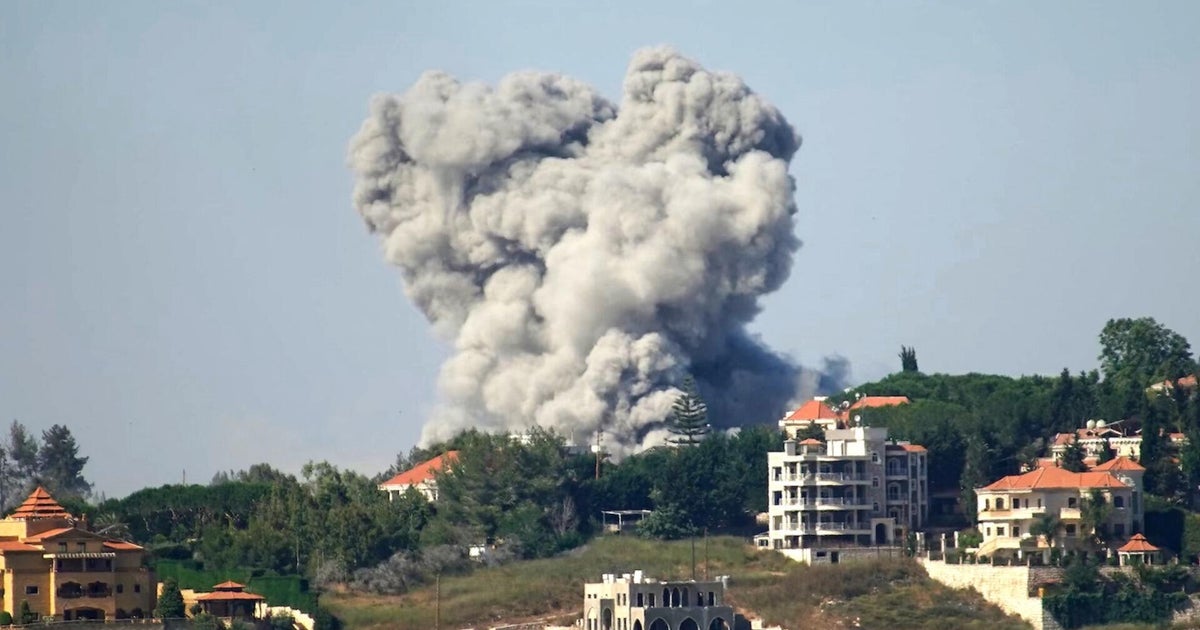
Short-term travel costs could surge by as much as 80 per cent as rising fuel prices and a significant capacity gap due to the Iran war squeeze the aviation market, travel experts say.
Some Australians have already moved to cancel flight bookings, even as travel corridors outside the Middle East remain largely unaffected. Those pushing on with travel plans are rerouting their trips to Europe via Asian or North American hubs.
“We’ve had some people rerouting via the US, via Canada [to Europe], and obviously via Asia, and those flights are absolutely fine,” said Cinzia Burnes, Helloworld Travel chief operating officer. “They go nowhere near the conflict zone.”
Since the start of the military conflict on Saturday, airlines have cancelled more than 20,000 flights into and out of the Middle East, according to aviation data group Cirium.
While a limited number of evacuation flights from the United Arab Emirates has been able to go ahead, airspace across the Gulf including Qatar, Iran and Iraq remains closed to regular air traffic.
The extensive airspace closures mean carriers such as Emirates and Qatar Airways have essentially ground to a halt, according to Bloomberg.
Middle Eastern airports such as Dubai, Abu Dhabi and Doha are key transit hubs for long-haul travel. The Gulf’s biggest airports handle about a third of the 125 million people who travel between Europe and Asia each year, according to consultancy firm Roland Berger.
The severity of the long-term impact on tourism will depend on the war’s duration, extent of infrastructure damage and how rapidly the aviation sector can adapt.
Shifting travel patterns
As the conflict drags on, travel agencies are seeing a mix of consumer reactions, although about half of their clients are leaving bookings unchanged for now.
Burnes said an ongoing survey of Helloworld’s franchise members found that 49 per cent of clients had made no changes to bookings since the conflict began. About 34 per cent made minor adjustments, while 17 per cent opted for major changes or cancellations.
“If you were trying to depart this week, obviously the prices have gone up,” she said, noting that the immediate pressure is felt most by corporate travellers needing to reschedule on short notice.
With an estimated 4.4 million airline seats removed from the market since Saturday, elevated fares appear inevitable. Australian Travel Industry Association (ATIA) CEO Dean Long says his organisation’s modelling sees airfares to fly to Europe in the next two weeks spiking between 20 and 80 per cent from pre-war levels, driven by high demand and limited capacity.
However, price changes vary significantly by route. According to flight comparison website Skyscanner, a Malaysia Airlines flight from Melbourne to London in late March costs about $3800, while a flight from Melbourne to New York for the same time is $1650.
As the industry moves from an “immediate response” phase to a strategic one, airlines are redeploying aircraft to avoid contested airspace.
Qantas added an extra A380 flight between Sydney and London this past Saturday. British Airways has suspended several Gulf routes, but added daily flights between London and Muscat, Oman.
Budget carrier IndiGo has started flights to Muscat and Saudi Arabia’s Jeddah and Madinah, it said on a social media post.
Malaysia Airlines is flying from Kuala Lumpur to Jeddah and Madinah, while Virgin Atlantic is resuming flights to Dubai and Riyadh from London after a suspension, Bloomberg reported.
Fuel factor
The outlook for ticket pricing for the medium to longer term is heavily tied to the price of fuel, which accounts for roughly 25 per cent of an airline’s operating expenses.
Oil prices have surged to close to $US84 a barrel, up from about $US70 before the war.
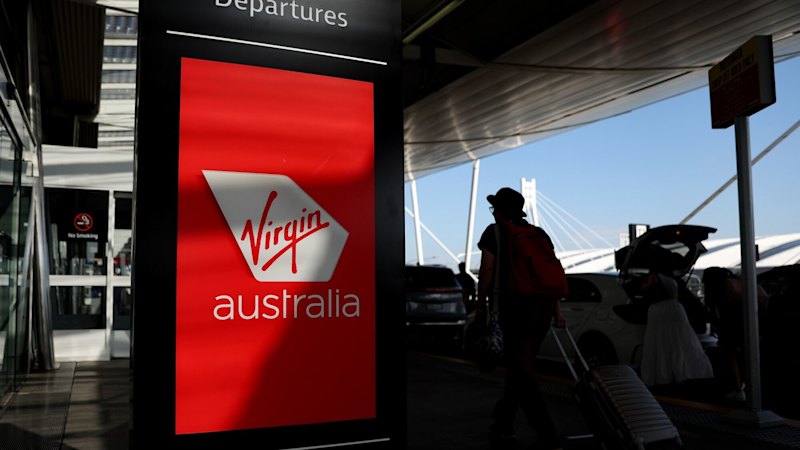
Major carriers are still protected by hedging strategies designed to shield them from such short-term price swings. For example, Qantas has hedged 81 per cent of its fuel for the remainder of the financial year to June 30. Virgin Australia has hedged 85 per cent for the same period.
If the conflict concludes quickly, these hedges may prevent fuel-driven price increases from being eventually passed on to consumers.
Yet even with hedging, spikes in the price of oil “are pretty significant impacts on aviation” which flow through “to pretty substantial cost for airlines”, Qantas boss Vanessa Hudson warned this week.
Meanwhile, for affected travellers, navigating flight cancellations remains a challenge.
Flight Centre said it would waive its own change and cancellation fees for customers affected by Mideast airspace restrictions until March 8 (for bookings through March 31). However, customers must still pay fees mandated by airlines or third-party suppliers.
Some travellers have reported significant delays in recovering their money.
A reader named David said he was forced to cancel a flight from Sydney to London via Doha and was told by online travel agency Aunt Betty it would take up to four months to get his money back.
Aunt Betty is owned by Flight Centre, whose spokesperson noted that when a customer “makes a booking with Aunt Betty, we are required to pay the airline – in this case Qatar – and the payment sits with them”.
“In the same way, when a customer requests a refund, we need to submit a request to the airline, wait for them to authorise — which can take anywhere up to 12 weeks, sometimes longer — before we receive the funds back.”
Consumer Champion’s Adam Glezer said airlines should adjust their offers given the impact of the war and stop charging more for flexible tickets.
“Consumers should not have to pay any extra for refundable flights at this time based on the current level of uncertainty as things are changing on a daily basis.“
The Business Briefing newsletter delivers major stories, exclusive coverage and expert opinion. Sign up to get it every weekday morning.