3 months ago
23
3 months ago
23
NSW and Sydney are at a crossroads. Five and a half million people call Sydney home and the NSW government estimates that number could top 6.3 million by 2041. The state’s population is expected to vault from 8.1 million to 10.1 million to that year.
Such roaring growth presents problems and opportunities, especially in Sydney, where housing, climate change, liveability, congestion, healthcare and social cohesion now shape our city in extraordinary ways.
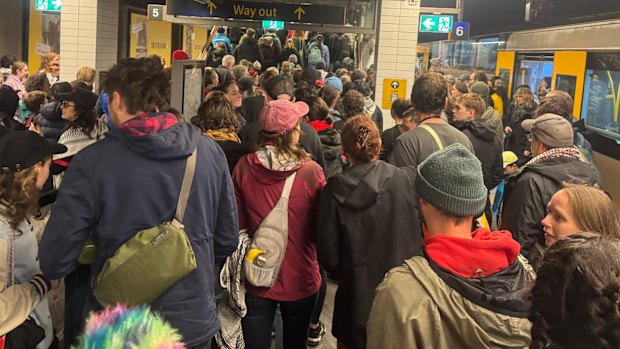
Sydney infrastructure is under strain as the city’s population grows. Credit: Dion Georgopolous
To address ongoing changes, since 2021, the annual Sydney Summit, hosted by the Committee for Sydney and supported by the Herald, has heard pitches from all sorts of Sydneysiders, including leaders, policymakers and visionaries, on the big thing they would do to change the city to prepare it for the future.
This year’s Sydney Summit on February 6 at the International Convention Centre will focus on four innovative big ideas: Green, liveable laneways replete with climate-proof drainage systems. Residential high-rise development, minus the car parks. Games and puzzles on every street corner. Small primary care clinics in every community, powered by rent-free spaces for GPs.
Among the other ideas to be discussed:
- Landscape architect and UNSW urbanism researcher Melissa Cate Christ has taken a leaf out of Melbourne’s CBD book and will float the idea of expanding laneway housing (granny flats) and supporting community-led greening initiatives to help ensure neighbourhoods remain liveable amid higher-density living;
- With billions of dollars invested in the expansion of Sydney’s public transport system, Landcom chief executive Alex Wendler proposes parking-free residential high-rise development to break the cycle of mandated car parks leading to more cars and more congestion. “It needs to be a well-located area … well serviced by public transport, active transport and amenities,” he said. When cars are needed, car-share arrangements could fill the gap;
- Borrowing from Barcelona’s template for intergenerational play spaces on street corners that incorporate chess sets, comfortable seating, umbrellas, community gardens and playgrounds, architect and play consultant Natalia Krysiak believes Sydney should become “the most playful city in the world” where council libraries could be mini theatres to act out books and gardening programs. Streets, bus stops and other public spaces could host games and puzzles in a quest of promoting physical activity for children and adults and social cohesion;
- Sydney’s ageing population and the city’s growing healthcare costs are straining the primary healthcare system but Alison Huynh, an architect who specialises in wellbeing and urban design, will advocate the idea of providing GPs with rent-free clinics in urban developments with an added bonus of car-free neighbourhoods taking sick people off public transport by creating primary care nearby.
Sydney has been struggling with the idea of liveability for years as population growth created infrastructure, transport and affordability problems.
Such issues should be talked about with an open mind. Not all of these proposals will come to pass and some may turn out to be but well-intentioned pipe dreams. But in the face of unprecedented growth, these ideas are a wonderful opportunity to get on the front foot to plan a better future.
Get a weekly wrap of views that will challenge, champion and inform your own. Sign up for our Opinion newsletter.