3 months ago
27
3 months ago
27
The Queensland government has refused to clarify a key feature of its new public child sex offender register, as parents complain the vague details provided do not give them confidence that convicted paedophiles are not living nearby.
The register, named Daniel’s Law after murdered Sunshine Coast schoolboy Daniel Morcombe, has three tiers of searches. One provides users with unnamed photographs of convicted child sex offenders who are listed as living in their “locality” at the time of the application.
But in the week since the website was launched, parents have vented frustration online over the unclear definition of “locality”, with no indication of the radius the search covers.
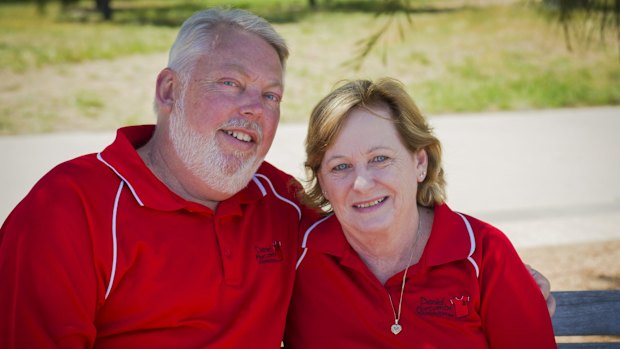
Bruce and Denise Morcombe support Daniel’s Law, which was named after their murdered son.Credit: Jamila Toderas
“We have an offender in our ‘locality’, but what does that actually mean?” one person wrote on a Facebook parents’ forum. “Are they in our street? Are they close by, or are they in the suburb?”
Another wrote: “Is it in a five-kilometre radius? My whole suburb? I wish they would define locality.”
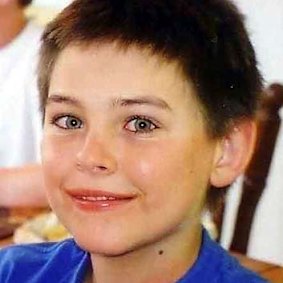
Daniel Morcombe.
Laws establishing the register only define locality as “the general locality where the person resides in the state”.
Explanatory notes say this includes a person’s “suburb or town, however is not prescriptive in order to enable locality to include adjoining suburbs or towns of the person’s residential address, unless circumstances dictate a different approach”.
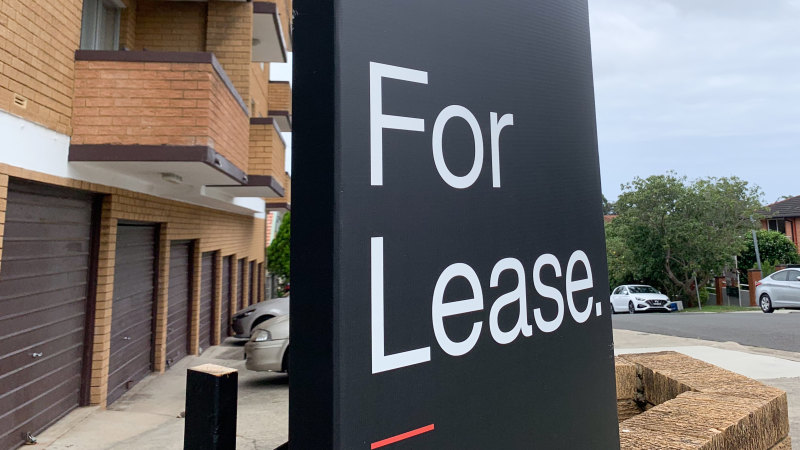
In at least some suburbs of inner-city Brisbane, searches do not produce photographs of offenders living in adjoining suburbs.
Asked to explain how a person’s “locality” was defined, Police Minister Dan Purdie’s office referred questions to the police.
“Given that Queensland’s diverse communities comprise condensed, highly populated metropolitan areas to far-reaching, low-density rural and remote areas, the geographic boundaries of the searches have been designed to ensure that each applicant receives the most relevant information, taking into consideration these variances,” a police spokesperson said in a statement.
Another user, who spoke to this masthead on the condition of anonymity, said they had given feedback about the website’s shortcomings directly to the office of Premier David Crisafulli.
The concerned citizen, who has experience designing logistics and fulfilment operations for large retail commerce systems, said they believed the law was well-formed and with the right intention, but had been poorly executed.
In their email to Crisafulli, seen by this masthead, they said the undisclosed and overly narrow interpretation of a person’s locality did not reflect real-world proximity to offenders reportable through the scheme.
Loading
“In practice, the system can return ‘no reportable offenders’ even where offenders reside within a short distance (e.g. approximately 5km) in adjacent suburbs,” they wrote.
“This creates a false sense of safety, discourages vigilance, and undermines the very purpose of the legislation.
“This is not a failure of parliament’s intent. It is a failure of implementation, [and] one that can and should be corrected early while the legislation is new and before flawed assumptions become entrenched.”
The person suggested the website should explain to users how their locality is defined and allow them to search within a radius of kilometres from their home.
Loading
“If a government safety system can return ‘no offenders’ while offenders live only minutes away, the system is not fulfilling the law’s purpose, regardless of whether it is technically defensible,” they concluded.
A government spokesperson, responding to additional questions to Purdie’s office about whether the government had received any complaints, did not provide a direct response.
“The Crisafulli government is delivering Daniel’s Law – backed in by Bruce and Denise Morcombe – exactly as promised, to help protect children who can’t protect themselves and make Queensland safer,” the spokesperson said in a statement.
“We are giving parents the information they need to make decisions about the safety of their children – with more than 100,000 visits to the site since it was launched – and prioritising the rights of victims and parents ahead of the rights of predators.”
Most Viewed in Politics
Loading