3 months ago
28
3 months ago
28
The survivors of the Rottnest seaplane crash in January last year say they hold no anger about the incident that claimed the lives of three people, including the pilot.
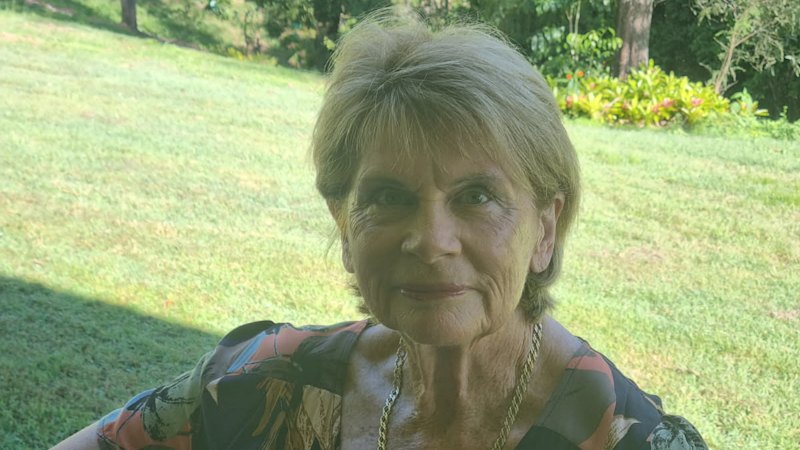
Speaking for the first time about their harrowing ordeal, Jeremy and Patricia Connor said they felt relief that they survived and grateful for the first responders who helped saved their lives.

Rottnest seaplane crash survivors Jeremy and Patricia Connor.Credit: Hamish Hastie
Three people died when the Cessna 208 Caravan seaplane plunged into the waters of Thomson Bay in front of horrified onlookers as it attempted to take off for a flight back to the mainland on January 7 last year.
Jeremy said the crash felt like it happened “instantaneously” and that the response from those who witnessed the plane hit the water was just as quick.
“But the main point I wanted to make, as soon as we managed to get out of that plane, there was people there, and you don’t really think about what’s going on. You just go into response mode. And then there’s these people there who help you do that,” he said.
“It seemed like a long time, but if you read some of the facts in the report, it was probably only a matter of maybe two minutes.”
Jeremy offered particular thanks to a man who first swam toward himself and Patricia, then helped her to a nearby boat where he looked after her injured arm.

Jeremy and Patricia Connor with the first responders who saved their lives after the January 7 Rottnest seaplane crash.Credit: Hamish Hastie
He said shortly after being rescued, the two survivors were flown by RAC rescue helicopter to Fiona Stanley hospital, where he was still drenched in seawater.
Jeremy revealed that the fateful day had started filled with excitement as they met the other couples at the South Perth jetty ahead of their flight to the island in the morning.
“We’re all a similar age, three couples together, doing the same thing, going to Rottnest in the summer, to have a great day out and it was just a good vibe and they we’re just nice people,” he said.
Jeremy said the couple held no anger about the tragedy and that they were doing well mentally.
“There’s no anger...you’re on a plane, you’re just doing something that’s pretty normal, and it didn’t go as planned. You can’t change that, you just have to keep going,” he said.
“With the help that we’ve had, we’re both in a good place.
“I think this for us is a bit of closure, and put a line under it.”
The couple presented a plaque to the Rottnest Island Authority thanking first responders for their efforts that will be displayed near the island’s nursing post.

The seaplane being retrieved from the ocean floor.
“We’re in such a fortunate, special place in the world, where we do have resources, but without those people who are willing to do it, it’s not worth as much, but they’re there to help when things go wrong, and they did,” he said.
Emergency Services Minister Paul Papalia said the Connor’s rescue was aided by a lot of really fortunate coincidences, including that water police were working off the island on the day of the crash.
“Their actual response, I think from memory, was in the order of, like, three minutes,” he said.
“[First responders] all regularly plan and prepare and practice for this type of an event, or events of this nature where there’s a major response required, so they coordinate and collaborate really effectively at very short notice,” he said.
“The police divers had a pretty confronting task for recovering the people who tragically lost their lives in that crash too.”
Pilot James Wong, 34, and two international tourists in their 60s died in the crash, while the Connors, also aged in their 60s, survived, along with the tourists’ partners.
In December, the Australian Transport Safety Bureau released its interim report into the crash, which examined Wong’s actions, whether the plane’s stall warning system had been switched off, and the “crashworthiness” of the seaplane.
The ATSB said Wong surveyed the normal take-off area twice in the afternoon of the accident and, due to strong winds, decided to take off in an easterly direction instead of the usual southerly track.
The plane crashed after passing Phillip Rock, when it hit sea swell, became airborne, then rolled to the left before crashing back into the water.
ATSB chief commissioner Angus Mitchell said the identification of factors contributing to the survivability of the plane’s passengers was “an important area of focus” for the probe.
“Examination of the wreckage identified the wings hinged backwards at impact, and the trailing edge of each wing penetrated the cabin in the area of the second row of passenger seating,” Mitchell said.
“The investigation is considering the crashworthiness of the Cessna Caravan aircraft and the suitability of the manufacturer and operator’s emergency equipment and procedures for accidents involving immersion in water.”
The report said the plane’s operator, Swan River Seaplanes, stated it had been aware some Cessna 208 pilots would disconnect the stall warning circuit-breaker due to false alarms and their impact on passengers during water take-offs, but “this was not a common practice of Swan River Seaplanes pilots”.
The ATSB is expected to hand down its final report in the second half of next year.
Most Viewed in National
Loading