1 month ago
6
1 month ago
6
By Melanie Lidman and Wafaa Shurafa
October 14, 2025 — 1.36pm
Jerusalem: Israel and Hamas moved ahead on a key first step of the tenuous Gaza ceasefire agreement on Monday by freeing hostages and prisoners, raising hopes that the US-brokered deal might lead to a permanent end to the two-year war that ravaged the Palestinian territory.
But thornier issues such as whether Hamas will disarm and who will govern Gaza – and the question of Palestinian statehood – remain unresolved, highlighting the fragility of an agreement that for now only pauses the deadliest conflict in the history of Israel and the Palestinians.
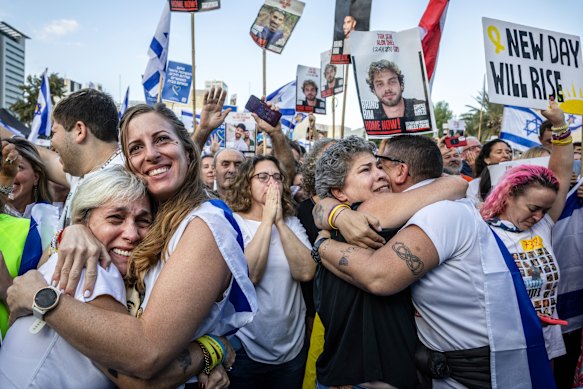
Difficult questions remain despite jubilation at the release of hostages.Credit: NYT
For Israelis, the release of the 20 remaining living hostages brought elation and a sense of closure to a war many felt they were forced into by Hamas, although many pledged to fight on for the return of deceased hostages still in Gaza.
But with the living hostages freed, the urgency with which many were driven to call for an end to the war will likely diminish, easing pressure on Israeli Prime Minister Benjamin Netanyahu to advance the next phases of the agreement.
Four deceased hostages were returned to Israel on Monday, and another 24 are supposed to be turned over as part of the first phase of the ceasefire, which also requires Israel to allow a surge of food and other humanitarian aid into Gaza.
Loading
What happens now in Gaza?
While there was an outburst of joy in Gaza for prisoners returning from Israel and hope that the fighting may wind down for good, the torment drags on for war-weary Palestinians.
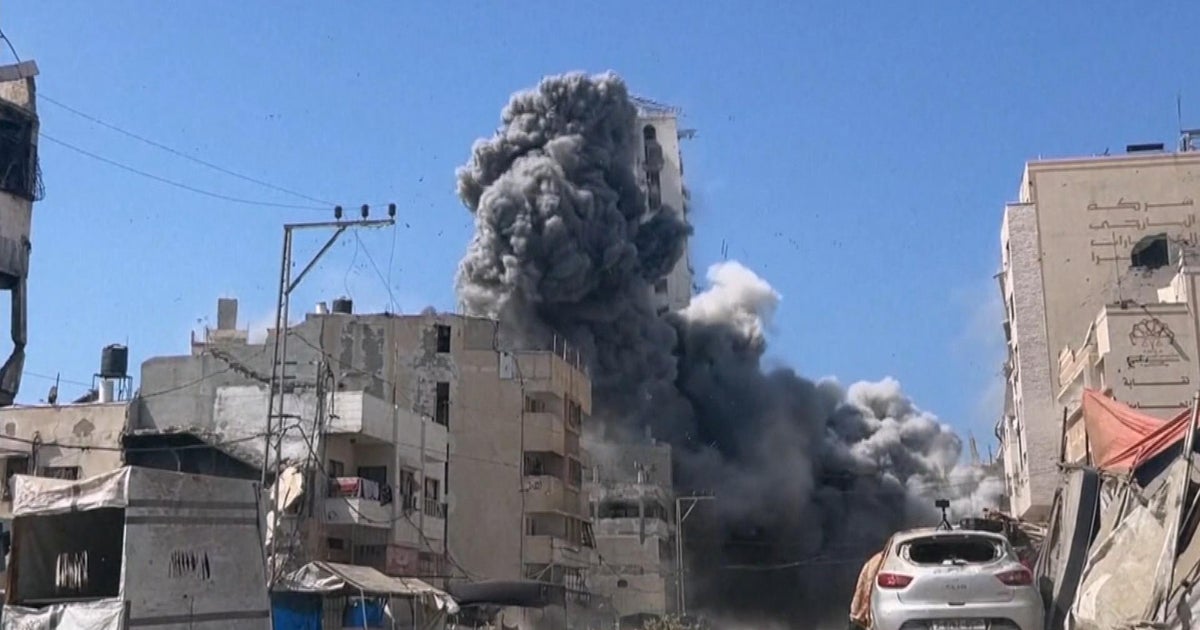
Gaza has been decimated by Israeli bombardment; there is little left of its prewar economy, basic services are in disarray and many homes have been destroyed. It remains unclear who will pay for reconstruction, a process that could take years.
Israel says the deal achieves its war objectives
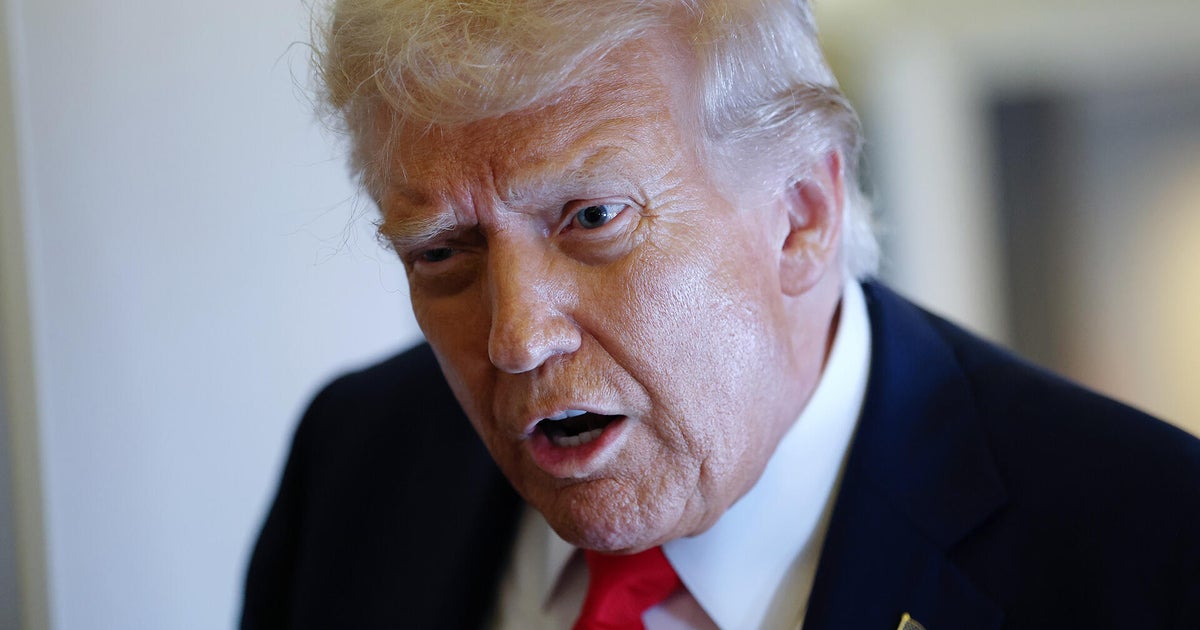
US President Donald Trump travelled to the region to celebrate the deal. In an address to Israel’s parliament, he urged lawmakers to seize a chance for broader peace in the region. In Egypt, he and other world leaders gathered to set the trickier parts of the deal into motion.
According to his office, Netanyahu did not join the meeting in Egypt because of a Jewish holiday and told parliament that he was committed to the agreement, saying it “ends the war by achieving all our objectives”. Israel had said it would not end the war until all the hostages were freed and Hamas was defeated. Critics accused Netanyahu of allowing the war to drag on for political reasons, which he denied.
The fate of the hostages was a central driver of a movement in Israel to end the war. Many Israelis viewed Netanyahu’s twin goals of freeing the captives and defeating Hamas as incompatible.
Israeli Defence Minister Israel Katz said any delay by Hamas in returning the remaining bodies of deceased hostages would be viewed as a violation of the ceasefire deal.
Will Hamas disarm?
Among the most difficult issues left to resolve is Israel’s insistence that a weakened Hamas disarm. Hamas refuses to do that and wants to ensure Israel pulls its troops completely out of Gaza.
So far, the Israeli military has withdrawn from much of Gaza City, the southern city of Khan Younis and other areas. Troops remain in most of the southern city of Rafah, towns of Gaza’s far north, and along the length of Gaza’s border with Israel.
Who controls Gaza?
The future governance of Gaza remains unclear. Under the US plan, an international body will govern the territory, overseeing Palestinian technocrats running day-to-day affairs. Hamas has said Gaza’s government should be worked out among Palestinians.
The plan envisions an eventual role for Abbas’ Palestinian Authority – something Netanyahu has long opposed – but it requires the authority to undergo reforms.
Loading
The plan calls for an Arab-led international security force in Gaza, along with Palestinian police. Israeli forces would leave areas as those forces deploy. About 200 US troops are in Israel to monitor the ceasefire.
The plan also mentions the possibility of a future Palestinian state, another nonstarter for Netanyahu.
Most Viewed in World
Loading