3 months ago
40
3 months ago
40
Jemma CrewBusiness reporter

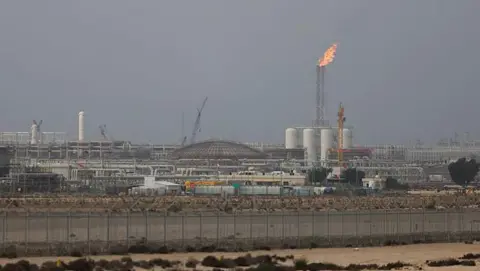 Getty Images
Qatar Energy's operating facilities in Ras Laffan Industrial City, Qatar, where production of liquefied natural gas has halted.
Oil prices have jumped after Qatar's energy minister warned he expects all oil and gas exporters in the Gulf to stop production within days.
Saad al-Kaabi told the Financial Times the conflict in the Middle East - a region which plays a key role in global energy supplies and shipping routes - could "bring down the economies of the world".
Brent crude oil rose to $89.17 a barrel on Friday, up 4.4% from the end of trading on Thursday.
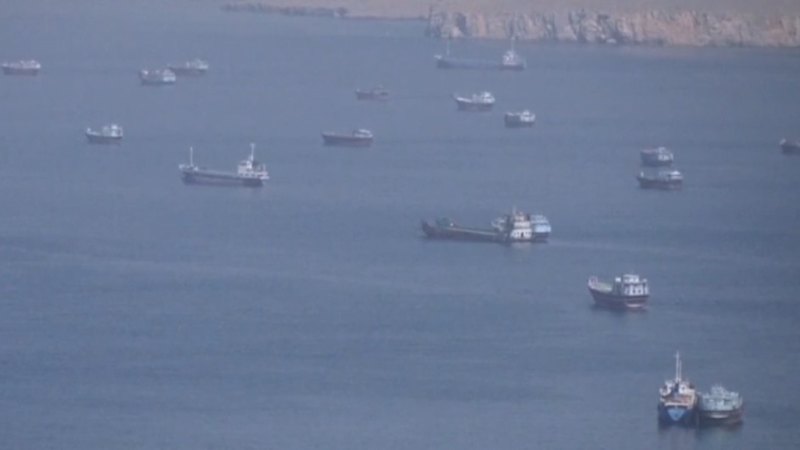
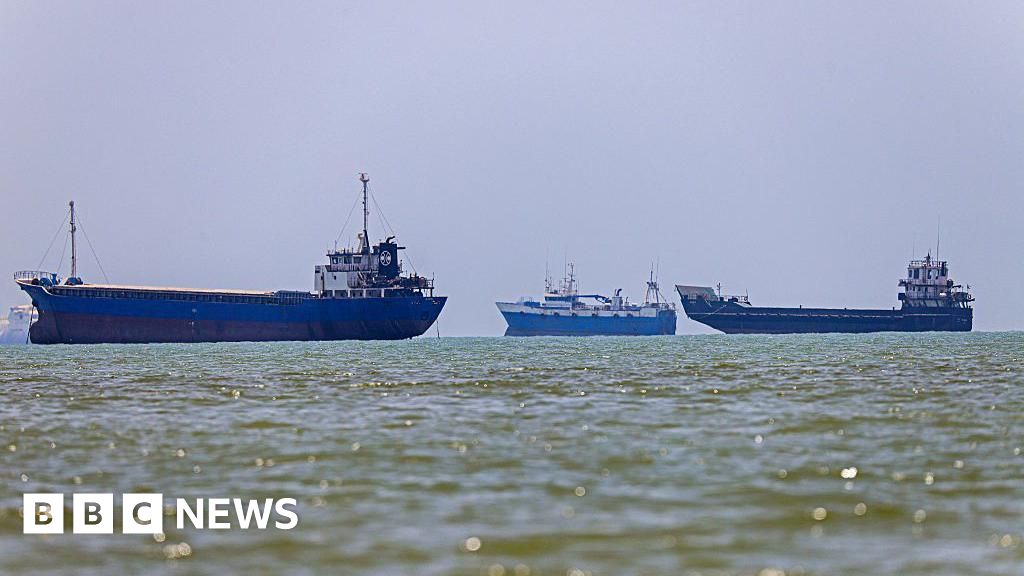
If ships were unable to proceed through the Strait of Hormuz, Kaabi said that in two to three weeks the price of oil could soar much further to $150 a barrel.
About a fifth of the world's oil supply is usually shipped through the Strait of Hormuz each day.
Blocking the strait could make goods and services more expensive globally, and hit some of the world's biggest economies, including China, India and Japan, which are among the top importers of crude oil passing through the waterway.
The UAE and Saudi Arabia both have pipelines enabling them to transport oil without using the strait.
But analysts have warned that the longer there are threats to ships passing through the strait, the higher the price of oil - and the shipping of it - will be.
Kaabi told the FT: "If this war continues for a few weeks, GDP growth around the world will be impacted.
"Everybody's energy price is going to go higher. There will be shortages of some products and there will be a chain reaction of factories that can't supply."
There have been concerns the current crisis could have a similar impact to Russia's invasion of Ukraine, but so far rises in the prices of oil and gas remain below the peaks experienced in 2022.
Qatar is a major producer and exporter of oil and Liquefied Natural Gas (LNG).
This week QatarEnergy said it had stopped production of LNG following "military attacks" on its facilities.
Kaabi, who is also chief executive of QatarEnergy, said even if the war stopped now, it would take "weeks to months" to resume normal output.
This week the company declared "force majeure" - a clause freeing it from liability for failure to supply due to events outside its control - and Kaabi said he believed all other energy exporters would have to follow suit in the next few days if the war continues.