2 months ago
15
2 months ago
15
More than 2 million households are paying more than they need to on their electricity bills, and some could save as much as several hundred dollars a year, with new analysis revealing that customers could switch to cheaper deals with one phone call.
People who have been on the same energy plan for more than three years paid, on average, $221 a year more than those who updated their plan annually to ensure they were on the cheapest plan, the Australian Competition and Consumer Commission’s Electricity Market Inquiry report found.
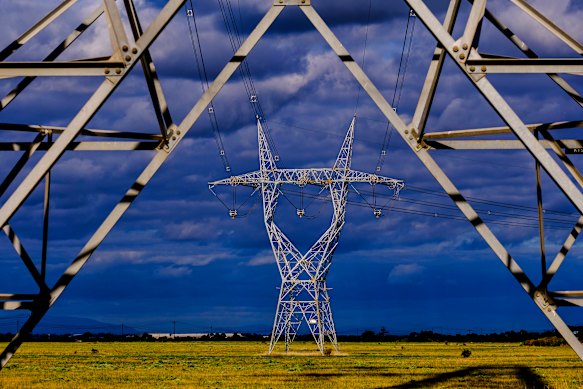
Millions of customers are paying too much for the electricity, the ACCC says.Credit: Luis Enrique Ascui/The Age
The ACCC said nearly 2.5 million customers are paying prices at or above the default offer, which is a legal requirement for electricity retailers to provide plans that are capped by the independent market regulator.
Typically, customers are missing out on cheaper electricity plans because they have failed to opt in to access a default offer.
Also, if a customer has been on a non-default deal plan, perhaps chasing even cheaper prices, there is a strong likelihood that a retailer’s terms and conditions mean the contract can roll over to a higher rate after 12 months.
Loading
ACCC commissioner Anna Brakey said these “loyalty penalties”, where annual contracts roll over to higher rates, were rife in the electricity market.
“The very best thing people can do to save money is to switch plans – either moving to a cheaper plan offered by their existing retailer or changing retailers,” Brakey said.
In Victoria, the default offer is $1675 for financial year 2025-26 and $1965 in Sydney, while it costs more in regional areas of NSW.
Default offers for NSW and Victoria have risen about $250 since 2022, but prices vary across jurisdictions depending on a range of local factors like the supply from energy generation plants and the cost of poles-and-wires networks.
The ACCC report revealed that 400,000 customers are paying more than 10 per cent above the default offer.
Brakey said that electricity retailers, when they send out quarterly bills, must disclose on the first page the potential savings if the customer switched to their cheapest plan.
“We would strongly encourage households to, at the very least, look at their electricity bill to see how much they could save,” she said.
Customers can compare retail offers on Energy Made Easy in NSW and Victorian Energy Compare. To change plans, they must contact their retailer and will probably confront an array of differing terms when they seek a new deal.
However, state and federal energy ministers have signed off on new rules that kick in from July next year, with bans on hiking prices more than once a year and excessive charges for late-payment fees. Loyalty penalties will also be banned, with a prohibition on retailers charging more than the default offer when a customer rolls over to a new annual plan.
“Australians deserve a fairer go when it comes to their energy bills,” Energy Minister Chris Bowen said.
“The government has implemented a range of consumer rule changes which will further help protect consumers. From next year, new rules will make sure plan benefits last the whole contract, stop sneaky price hikes during fixed contracts and limit price increases to once per year.”
The Albanese government is under pressure over power bill hikes, after it promised in the 2022 election campaign to cut bills $275 by this year; however, bills have risen. The government has issued two rounds of subsidies, at a cost of $7 billion to the budget, to give households relief from the rising costs.
Loading
Treasurer Jim Chalmers revealed earlier this month that the government would not extend its $300 power bill subsidy, which would have cost another $2 billion to run for a further six months.
Chalmers said it was now time to move away from direct cash support to help people deal with cost pressures.
“This marks a shift in the way that we are delivering cost-of-living relief,” he said in announcing the end of the subsidy. “This wasn’t an easy decision, but it’s the right decision. This was a difficult call that we made as a cabinet, but it’s the right call.”
The federal government last month announced that power companies would be forced to offer three hours of free power in the middle of the day to all Australian households, under new regulations in force from July 2026.
The Solar Sharer program is set to be available to all houses and apartments, with and without solar panels, as long as they have a smart meter and opt in to the new plans.
Cut through the noise of federal politics with news, views and expert analysis. Subscribers can sign up to our weekly Inside Politics newsletter.
Most Viewed in Politics
Loading