3 months ago
45
3 months ago
45

January 17, 2026 — 5:00am
Almost 40 million passengers are projected to cruise this year, according to the Cruise Lines International Association. That’s a record number, but more important are the shifting demographics.
An older generation is passing the cruise baton on to younger customers. The number of first-time cruisers has soared, and the average age of cruise passengers steadily fallen over the last decade. It’s now 46.5, and a third of cruisers are under 39.
If you’re looking for what’s coming next in cruising, it’s the likes and needs of Generation X (born 1965-1980) and even more significantly millennials (born 1981-1996) that counts.
The two generations like what they see, with more than 80 per cent of both gen Xers and millennials saying they’d cruise again. You can be sure cruise companies are pricking their ears – and looking to future profits.
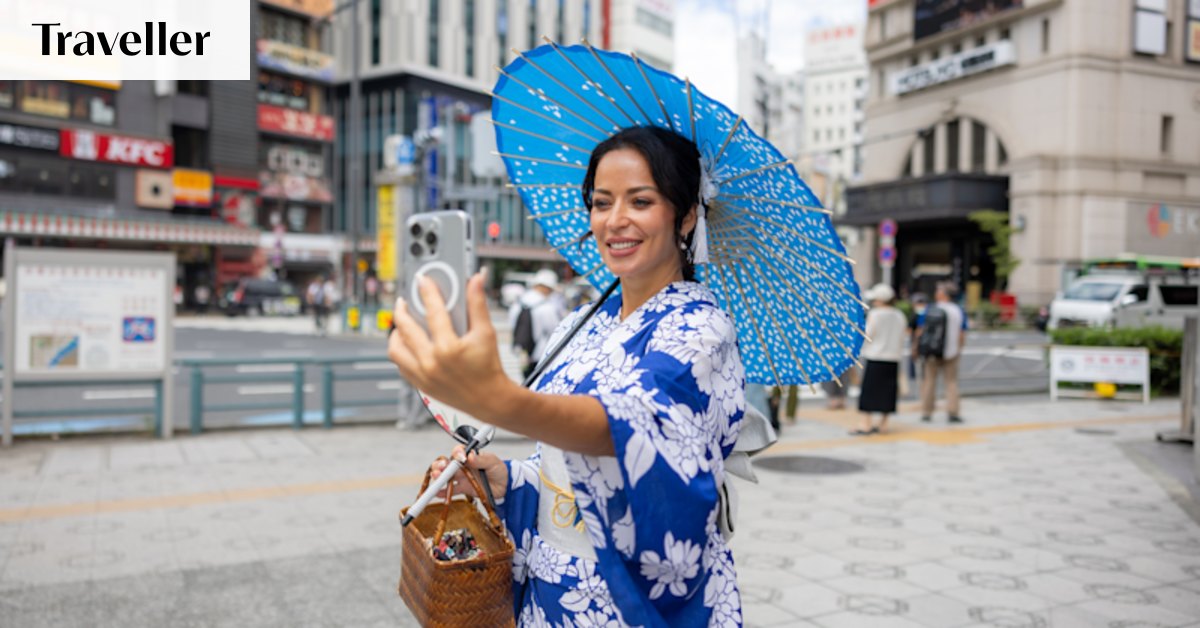
Cruise lines have become more active on social media. Many of the younger generation rely on the likes of TikTok for holiday inspiration. Influencers are increasingly invited on board ships.
You can bet that signals a drift away from traditional cruise concerns, especially when it comes to shore excursions, which will become less sightseeing oriented and more food and experience-focused – and more visually driven.
Younger generations don’t have the long holidays and deep pockets of baby boomers, and most are still working. The average length of cruises has already dropped to eight days. You can expect many more short cruises in future, with three- to five-night cruises not uncommon. They might visit only one or two ports, or none.
And because more cruisers are no longer retired, they’ll be increasingly wanting to work on the hoof – or on the wave. That has already partly driven much better onboard Wi-Fi, and I reckon you’ll see more work-friendly lounges and laptop stations on ships soon.
Younger generations are big on wellness and life balance. Cruise lines are responding by expanding onboard gyms and fitness studios, providing a bigger range of personal training programs and yoga classes, and offering ever more healthy dining options.
And there’s more. I’d expect the demand for more adventurous cruises, active shore excursions and expedition cruises to increase. And although there are many factors driving sustainability in the cruise industry, younger generations’ concerns will only encourage more eco-friendliness.
Finally, millennials have grown up with digital technologies and are happy to use them. Already apps and interactive gadgets are organising passengers’ lives on board cruise ships.
What’s next? Surely more innovative technology that uses augmented reality (AR) to blend the physical and digital, for example in presenting interactive restaurant menus, as well as entirely virtual reality (VR) for uses such as presenting ports and excursions.
Ships are also catering to the gaming generation by rolling out VR games, playgrounds and escape rooms. The physical ship is no longer the limit. What next? It seems you’ll have to ask a 30-year-old.
For great cruising deals, visit mycruises.com.au
Sign up for the Traveller newsletter
The latest travel news, tips and inspiration delivered to your inbox. Sign up now.