3 months ago
57
3 months ago
57

January 25, 2026 — 11:09am
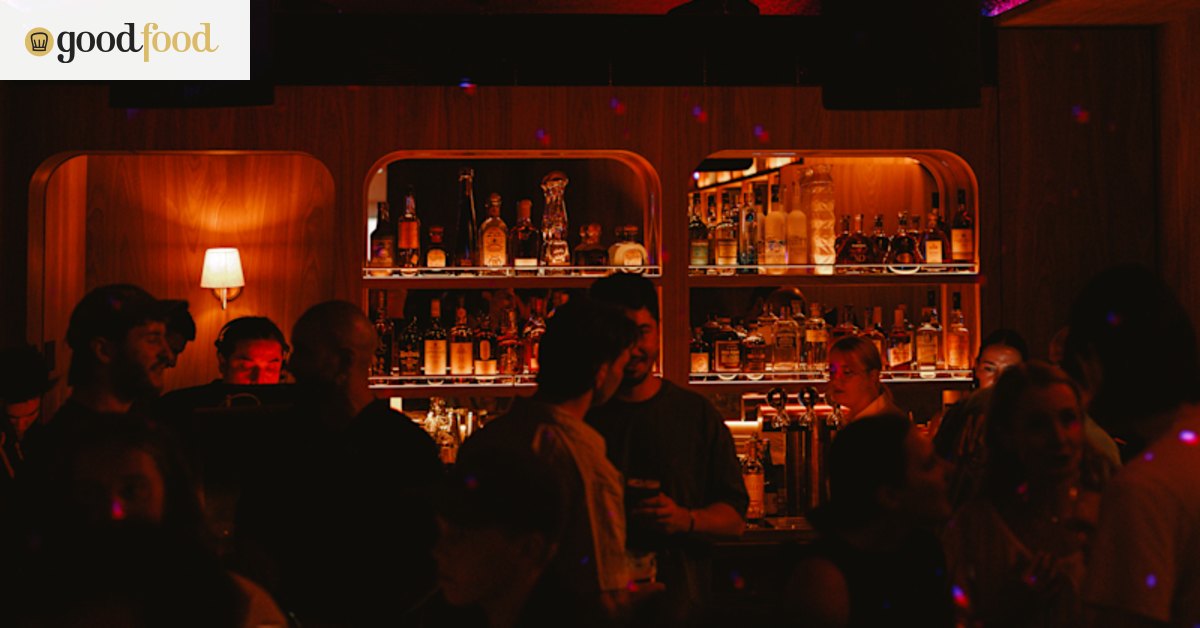
In Melbourne’s cosmopolitan South Yarra is a glossy glass-walled dispensary.
Wood-panelled shelves are lined with pothos plants, palm-sized boxes and protein powder-looking packets. It’s a fully licensed pharmacy, but the casual browser could easily mistake it for a high-end skincare boutique.
It happens all the time. “We get a lot of walk-in patients who don’t know what we are. A lot of the times they think we’re like Aesop,” says pharmacist and Astrid Clinic and Dispensary founder Lisa Nguyen.
Founded in 2021, Astrid was one of the first of a growing number of upscale medicinal cannabis dispensaries that are starting to pop up on Australia’s busiest shopping strips. An eight-minute walk away from Astrid is “boutique pharmacy” V22 Dispensary. In Sydney’s Enmore, there is High St, a mustard-yellow shopfront that has the vibe of a record store; 500 metres up the road in Newtown is True Green Dispensary, where you can only purchase things such as incense, hemp seed oil or skincare made from tallow – unless you have a script for something stronger.
It’s a far cry from the traditional pharmacy presided over by a dour man in a white coat, or the harsh fluorescent lights and raw concrete floors of a Chemist Warehouse.
Sleek and inviting, the new boutiques are staffed by registered pharmacists and cater to the 2.4 million Australians who are turning to marijuana through legal means, according to the Australian Institute of Health and Welfare’s latest household survey on drug use. More than one in 10 (11.6 per cent of) Australians consumed a combined 7.4 million units of medicinal cannabis products last year, according to Penington Institute’s Cannabis in Australia 2025 report. By 2023, Australians are forecast to spend $1.3 billion on medicinal cannabis, according to market research firm IMARC Group.
Five years after opening Astrid, Nguyen still gets DMs from people who seek advice on how to open a high-end ‘specialist pharmacy’ of their own. “So many people are starting to do it now,” she says.
These dispensaries can appear both alluring and mysterious. It’s not immediately clear what they dispense: you won’t find references to weed, marijuana, pot or even cannabis. The Therapeutic Goods Administration (TGA) prohibits the advertising of any prescription-only medicine, including cannabis, forcing dispensaries to market their services using hazy phrases like “alternative medicine”, “natural therapies” and “holistic health”.
The prohibition is designed to safeguard the doctor-patient relationship over commercial interests, where advertising and marketing can drive consumer demand for medication that doesn’t suit them or is too expensive.
“If you are a business that promotes treatment services, you need to take care to ensure that you are not, in addition to promoting your services, also promoting medicinal cannabis,” the TGA states.
Fear of regulatory scrutiny has forced specialist dispensaries to hide in plain sight. “It’s very, very discreet. There’s not even a picture of the cannabis plant, because you can’t advertise that,” says Nguyen.
“That social stigma around cannabis has decreased a lot. That doesn’t mean it’s gone,” she added. “The industry is moving very rapidly, in terms of products. There are so many more patients now, so many products, but the policy is slow.”
In the weeds
For the uninitiated, medicinal cannabis dispensaries can create confusion because they don’t fall neatly into two categories people grasp more intuitively: a traditional pharmacy, or a recreational weed store you might walk into in San Francisco or Amsterdam.
None of the items on open display contain cannabis. As with any prescription medicine, you must present a script to a pharmacist.
About 80 per cent of Australia’s 6000 community pharmacies have dispensed medicinal cannabis at least once, but many doctors remain hesitant to prescribe cannabis. Most products are not officially registered with the TGA.
“We’ve seen a concentration of medicinal cannabis prescribing amongst a smaller number of GPs and nurse practitioners and pharmacists. I suspect that the bricks-and-mortar services are one way of accessing patients,” says public-health think tank Penington Institute chief executive John Ryan.
“There are a lot of plain-Jane access points, telehealth access points. I think these services are more geared to try create a niche within that ecosystem of prescribers.”
The inviting atmosphere of a health and wellness centre can convert an onlooker’s curiosity into conversation and address lingering taboos around cannabis. They could also lure in new customers.
“[The dispensary] makes it real, makes it accessible. There are so many online businesses that don’t seem real,” says Nguyen.
“So much of Astrid is people coming in and knowing all of our pharmacists and doctors by name. We know all their backgrounds. It’s a community.” Incidental conversations between fellow patients can lead to more. “We’ve even had people start dating.”
A medicinal cannabis patient may feel uncomfortable visiting a normal chemist because of inherited stigma around cannabis, says Penington Institute’s Ryan.
“You can imagine that from the patient journey perspective, getting this calming health spa vibe is probably addressing their own internalised anxiety around medicinal cannabis,” he says.
This new wave of Australian dispensaries are taking their design cues from more mature overseas markets like the US. “It was the whole rebrand – taking it from the street into a clinic in a legal setting,” says social impact investor Kyah Bell.
But many of these clinics appear to be using the same pricing models around initial consults, follow-up consults and product pricing, she added.
Healthcare and wellness has been earmarked as an economic ‘megatrend’ for years. Chemist Warehouse’s $32 billion back-door float made billionaires of its pharmacist founders. More broadly, the Australians’ rapid uptake of weight loss drugs Mounjaro and Wegovy has highlighted just how money there is to be made in the healthcare sector. Many of Australia’s largest cannabis businesses operate online, operating via video-call consultations with doctors and shipping direct from a pharmacy.
But that has opened a lane for the dedicated medicinal cannabis dispensaries to carve out their own share of the market with unique brands and inviting stores.
“Competition has a lot to do with the design, because everybody’s trying to own part of that market,” says Bell. “I rarely see any other GP clinics advertising in the same way that cannabis clinics are.”
Not quite legal
Australia’s peculiar patchwork rules around cannabis consumption and advertising has bred a reluctance among clinics and dispensaries to attract attention for fear of falling afoul of the rules. When contacted by this masthead, Sydney’s High St and True Green Dispensary declined to be interviewed.
Recreational use is still an offence everywhere in Australia bar the ACT, despite legalisation of medicinal cannabis a decade ago. Criminal suppliers are making over $5 billion a year from the illicit market, and billions spent on enforcing “outdated and counterproductive” criminalisation laws have not dented supply or use, according to Penington Institute’s Cannabis in Australia 2025 report.
“In the best of worlds, we would have had a regulated market for adult use cannabis simultaneously with medicinal cannabis for people with genuine health conditions that need treatment,” says Ryan.
“It’s a very bumpy, lumpy sort of way of approaching regulation of this substance.”
Reports of those who are gaming the system have been widely publicised: a proliferating telehealth industry has sparked concerns about unsafe practices after this masthead revealed that a single doctor wrote 72,000 prescriptions to 10,000 patients in two years. Therapeutic Goods Administration chief medical adviser Robyn Langham raised concerns about the “abuse” of medical prescriptions for recreational use.
“Most doctors behave very responsibly, but some of them don’t, and the ones that don’t need to be chased down,” says Ryan. “They wreck the reputation of the whole sector.”
Many of Nguyen’s patients are dealing with complex pain issues, like endometriosis patients who also have insomnia or anxiety.
Having a clinic and a dispensary in the same premise means health professionals and pharmacists can accompany the patient throughout the entire process. “We have the whole experience down pat,” she says.
Some walk-ins will say cannabis is not for them, but most interactions are educational.
“Most of them are like, ‘my mum’s got arthritis. Do you think it will be helpful?’ That’s a very common question.”
The Business Briefing newsletter delivers major stories, exclusive coverage and expert opinion. Sign up to get it every weekday morning.