Trump says "we have to nurse the country back to health" before new elections in Venezuela
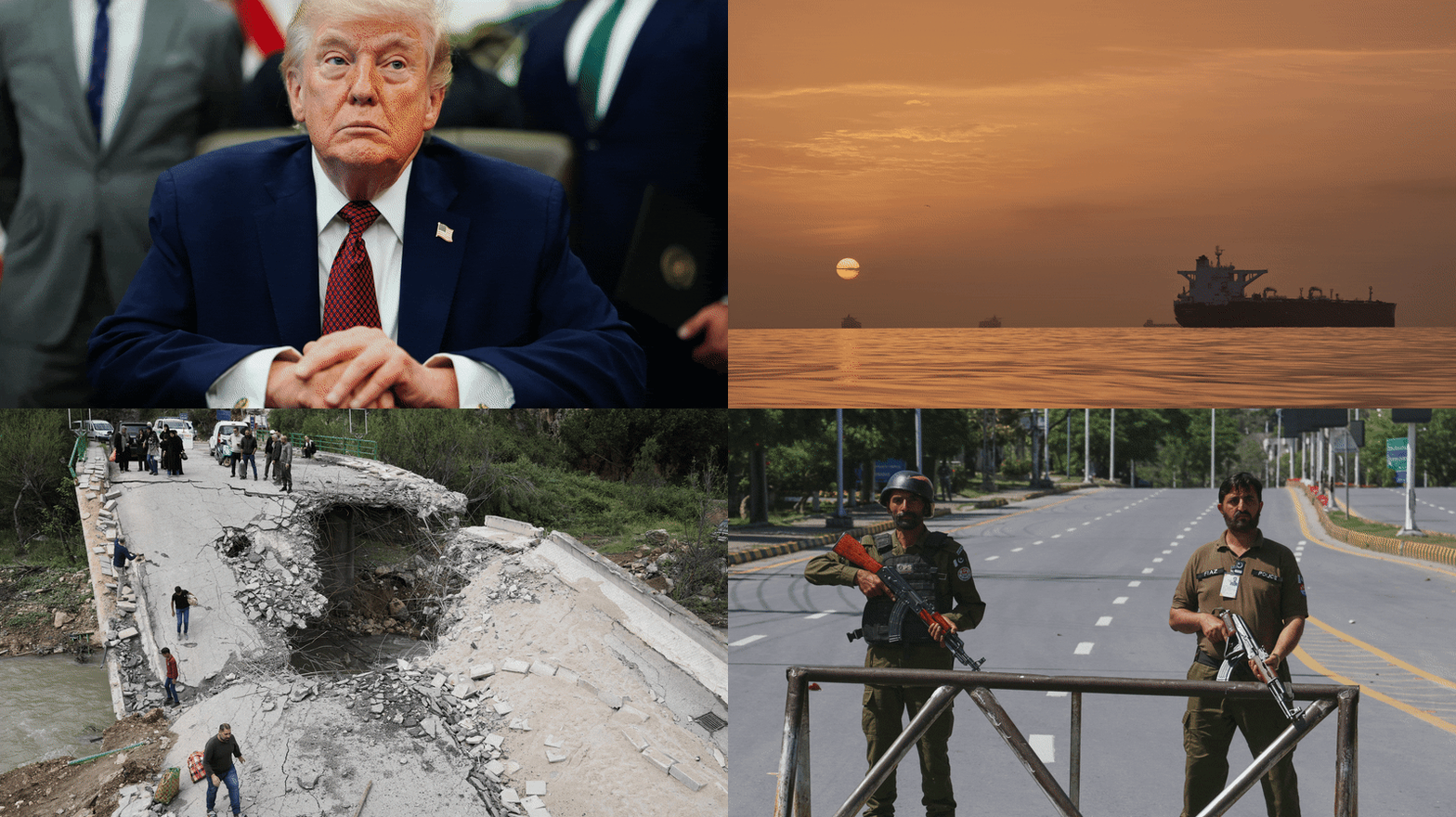
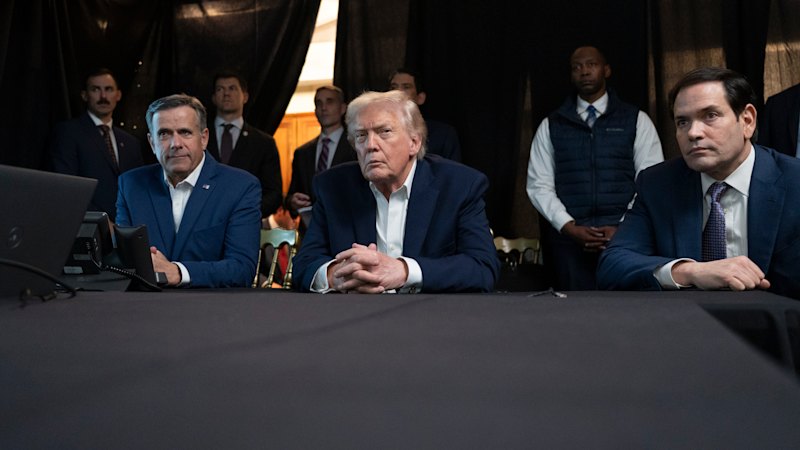
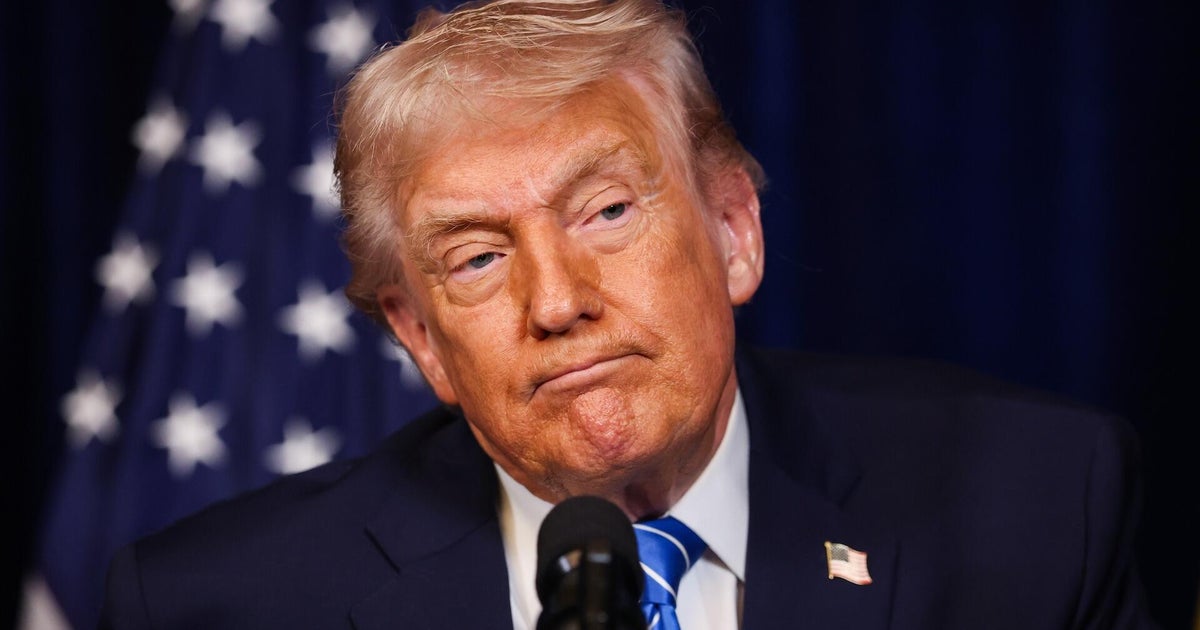
President Trump told NBC News on Monday that it could take some time before Venezuela can hold elections to replace Maduro, saying, "we have to nurse the country back to health" first.
"We have to fix the country first. You can't have an election. There's no way the people could even vote," the president told the outlet.
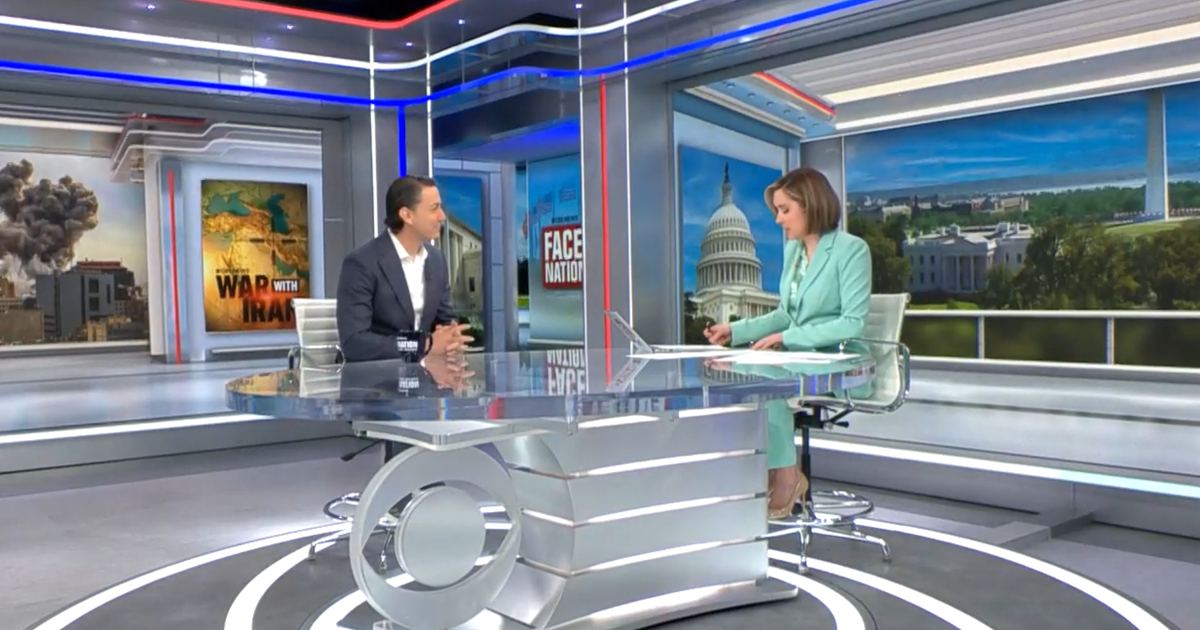
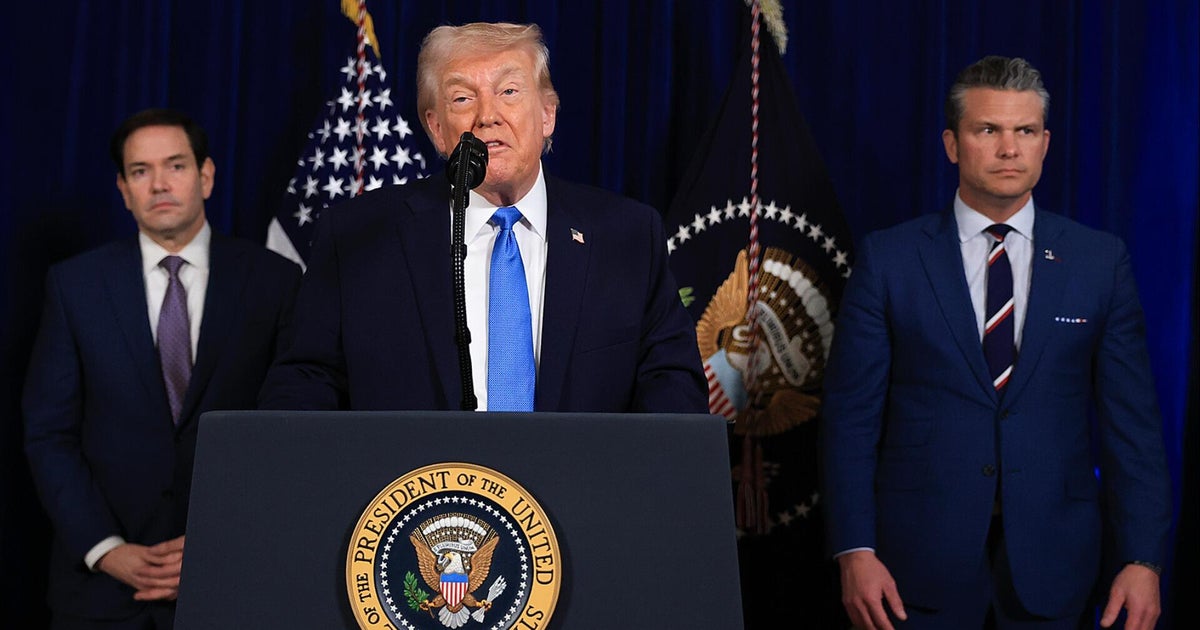
In the meantime, Mr. Trump said, a group of U.S. officials will be involved with overseeing Venezuela. The president has said his administration will "run" Venezuela, though it's not clear how extensive U.S. control over the country will be. Secretary of State Marco Rubio said on "Face the Nation with Margaret Brennan" the administration primarily plans to maintain economic leverage over Venezuela by restricting oil exports.
Members of Maduro's regime are still in charge for now, with Maduro's handpicked vice president, Delcy Rodriguez, serving as interim president. Mr. Trump told The Atlantic that "if she doesn't do what's right, she is going to pay a very big price, probably bigger than Maduro."
Democrats call Trump's Venezuela strategy "vague"; Republicans call it "decisive and justified"
Top Trump administration officials briefed leading members of Congress on the Venezuela operation on Monday, and lawmakers' reactions fell along familiar partisan lines.
Senate Minority Leader Chuck Schumer told reporters the classified briefing, which included Secretary of State Marco Rubio and Secretary of Defense Pete Hegseth, "posed far more questions than it ever answered."
"Their plan for the U.S. running Venezuela is vague, based on wishful thinking and unsatisfying," the New York Democrat said, adding that it's unclear if similar operations will be tried in other countries.
Meanwhile, House Speaker Mike Johnson said the operation was a "decisive and justified action," adding that Maduro led a "criminal organization masquerading as a government."
"Now, he has learned what accountability looks like," the Louisiana Republican added.
Some Democrats have argued the operation wasn't legal because it lacked congressional approval. Schumer said he will push for a vote to block further military action in Venezuela. And Democratic Rep. Gregory Meeks of New York, ranking member of the House Foreign Affairs Committee, told reporters: "It seems at every turn, Donald Trump is trying to figure out how he avoids Congress."
Republicans have largely defended the president. Johnson argued the administration acted within its authority because "we are not at war" and "we are not occupying that country."
Republican Rep. Brian Mast of Florida, who chairs the House Foreign Affairs Committee, told reporters he doesn't believe the operation needed congressional approval, saying it was limited in scope and "done before breakfast."
Major oil companies to meet with Trump administration on Venezuela, sources say
Representatives from petroleum giants Chevron, ConocoPhillips and ExxonMobil are planning to meet with the Trump administration later this week to discuss Venezuela, two sources confirmed to CBS News.
The meeting is expected to take place Thursday with Energy Secretary Chris Wright, one source familiar with the matter said.
The meetings come as President Trump pushes U.S. oil companies to invest in Venezuela's oil industry. Mr. Trump also told NBC News that oil companies could be reimbursed by the U.S. in some way if they return to Venezuela.
"A tremendous amount of money will have to be spent and the oil companies will spend it, and then they'll get reimbursed by us or through revenue," Mr. Trump said.
He predicted that oil production could start ramping up in 18 months or less.
Some experts have predicted that it could take awhile for foreign oil firms to enter Venezuela, considering the high cost and political uncertainty.
Inside Maduro's defiant first courtroom appearance: "I am still president of my country"
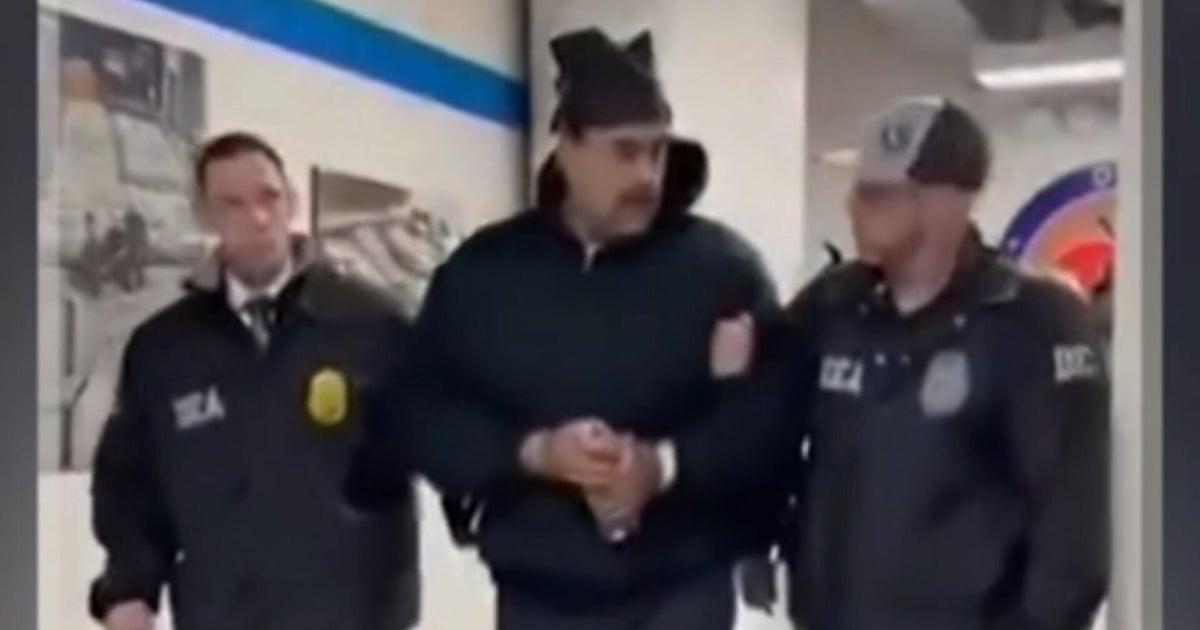
Under heavy guard, former Venezuelan President Nicolás Maduro and his wife, Cilia Flores, were flown from a federal jail in Brooklyn to Manhattan on Monday morning to make their first court appearance since being captured by U.S. forces over the weekend.
Surrounded by Drug Enforcement Agency agents, the shackled Maduro shuffled from the helicopter to an armored vehicle, and was then driven to a federal courthouse, where he was greeted by the New York City Police Department and protesters — on one side of the street were those cheering Maduro's downfall, and on the other were those opposing his capture and detention.
Inside the courtroom, Maduro, clad in a prison jumpsuit, was initially defiant, declaring through a translator that he is a "decent man," innocent of all charges.
"I am still president of my country," he said. Meanwhile in Caracas, Maduro's vice president and longtime confidant Delcy Rodríguez was sworn in as interim president.
Both Maduro and his wife pleaded not guilty.
At one point, it seemed Maduro was trying to grandstand, but U.S. District Judge Alvin Hellerstein cut him off, like he would anyone, saying he just needed to know Maduro's identity and if he understood his rights and the charges against him.
After Maduro's ouster, two powerful women could vie for control of Venezuela
With former Venezuelan President Nicolás Maduro in custody in New York, his former Vice President Delcy Rodríguez — a Maduro loyalist and leading figure within the regime for nearly eight years — has been sworn in as the acting president of Venezuela.
Since Maduro's ouster, Rodríguez is striking a delicate balance, telling the U.S. she wants lasting cooperation while also telling Venezuelans she condemns Maduro's capture as a kidnapping.
Meanwhile, opposition leader María Corina Machado applauded Maduro's capture — but she remains out of power.
Asked why Machado was not put in charge, Mr. Trump on Saturday said she lacks the support and respect of the Venezuelan people needed to lead them.
Here's how the U.S. military captured Maduro in the dead of night
Defense Secretary Pete Hegseth revealed new details Monday about the U.S. operation to capture and arrest Nicolás Maduro, describing a meticulously planned raid that caught the Venezuelan leader completely off guard.
Speaking to sailors, Hegseth said Maduro had no warning the U.S. was closing in until moments before American forces arrived.
"Nicolás Maduro got to meet some great Americans wearing night vision goggles three nights ago," Hegseth said. "He didn't know they were coming until three minutes before they arrived. In fact, his wife said, 'I think I hear aircraft outside.' They didn't know. You know why? Because every single part of that chain did their job."
Roughly 200 Americans carried out the overnight raid Saturday at Maduro's residence in downtown Caracas, Hegseth said. Fighter jets and bombers struck Venezuelan air defenses, clearing the way for Delta Force commandos to close in on the compound, where they came under heavy fire.
"They got off the helicopter, and the bullets were flying all over the place," President Trump told reporters Sunday aboard Air Force One. "As you know, one of the helicopters got hit pretty badly, but we got everything back."