A loose wire on the ship Dali may have been responsible for the power outages that eventually led to the collapse of Baltimore's Francis Scott Key Bridge in 2024, according to the National Transportation Safety Board.
The board heard from several marine and engineering experts during a hearing in Washington, D.C., Tuesday. They also discussed their final report and voted on the probable cause of the bridge collision and collapse which killed six construction workers.
The Maryland Transportation Authority said it is reviewing the findings from the final report, and maintained that the bridge collapse was the sole fault of the Dali.
"The collapse of the Francis Scott Key Bridge and the tragic loss of life were the sole fault of the DALI and the gross negligence of its owners and operators," MDTA said in a statement Tuesday. "The Key Bridge was approved and permitted by the federal government and complied with those permits."
Loose wire discovered on Dali
During their investigation, the NTSB determined that a loose wire led to Dali's power failures after it tripped a breaker that supplied power for most of the ship's equipment.
In their preliminary report released last year, the board detailed that the ship lost power four times in the 12 hours before it collided with the Key Bridge on March 26, 2024.
"That connection was likely made 10 years ago during the vessel construction," NTSB member Bart Barnum said Tuesday. "So, over the length of those 10 years, that wire, like all the other wires, was exposed to normal vessel conditions."
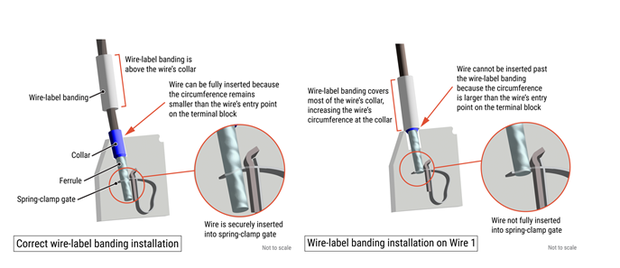 During their investigation, the NTSB determined that a loose wire led to Dali's power failures after it tripped a breaker that supplied power for most of the ship's equipment.
NTSB
During their investigation, the NTSB determined that a loose wire led to Dali's power failures after it tripped a breaker that supplied power for most of the ship's equipment.
NTSB
According to the board, Dali's crew discovered the wire issue and acted quickly to resolve it. However, the loss of propulsion "rendered their actions ineffective."
NTSB Chairwoman Jennifer Homendy said the crew did the impossible in locating the loose wire, comparing it to "finding a loose bolt on the Eiffel Tower."
During their investigation, NTSB officials said they were able to replicate the issue.
"This very small component is what caused the problem," NTSB member Thomas Chapman said while holding a replica of the cord.
According to engineers, another wire with the same issue may not have had the same detrimental impact.
NTSB says Key Bridge accident was preventable
During Tuesday's hearing, the board emphasized that the collapse of the Key Bridge was preventable.
"The fact is, we shouldn't be here today; this tragedy should've never occurred," Homendy said. "Lives should've never been lost. As with all accidents we investigate, this was preventable."
During the hearing, officials pointed out numerous issues, including improper labels on wiring that prevented cables from being securely connected; a lack of redundant safety systems; issues with electrical inspections; and improperly configured electrical systems and generators that made it hard for the crew to recover from power outages.
NTSB leaders also criticized Maryland for failing to conduct a vulnerability assessment on the Key Bridge, saying the risk was 30 times higher than acceptable due to the larger-sized vessels in the Patapsco River.
Initial findings shared by the NTSB in March sparked strong reactions from Maryland leaders, including Gov. Wes Moore, who argued that there wasn't a bridge in the U.S. that could have withstood a strike from the 984-foot-long Dali.
According to the NTSB, the road crew working on the Key Bridge on the night of the collapse was not warned of the impending ship collision, despite providing their cellphone numbers in case of emergencies.
The board did not find any fault with the ship's crew or issues with the ship's fuel.