3 months ago
39
3 months ago
39
January 21, 2026 — 5:57pm
Bull sharks come closer to shore for as long as eight days after heavy rainfall, according to Australian research, as experts warn the risk of shark attacks could remain heightened going into the long weekend.
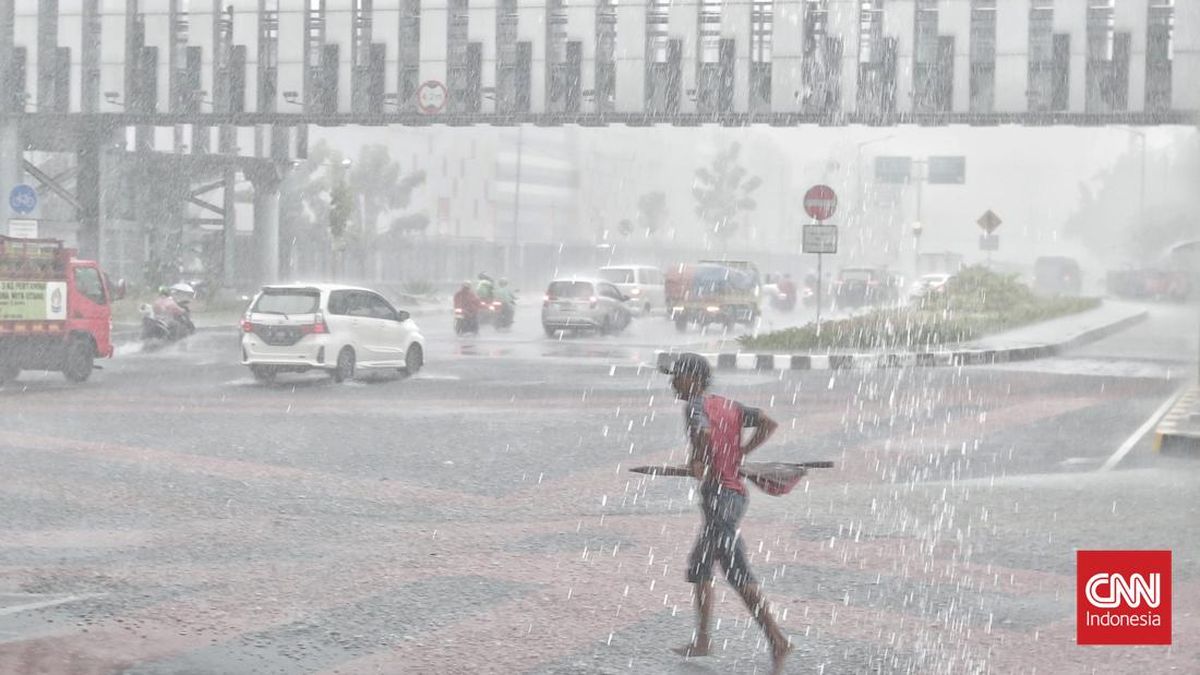
A huge downpour on Sunday was a key factor behind a spate of shark attacks in Sydney and NSW this week, which has triggered beach closures and ramped-up shark patrols.
The authors of a 2018 study, led by Dr Jonathan Werry from Griffith University, found more than 100 millimetres of rain “is significantly correlated with increased bull shark catch 1-8 days after the rainfall” close to shore.
“We recommend management agencies inform beachgoers of heightened risk of bull shark interaction in beach areas after periods of heavy rainfall,” the authors, who analysed bull shark movements, catch numbers and rainfall data in Queensland, wrote.
“Beach closures, and/or public education during higher-risk periods would help to reduce adverse incidents and allay fear of shark attack more generally.”
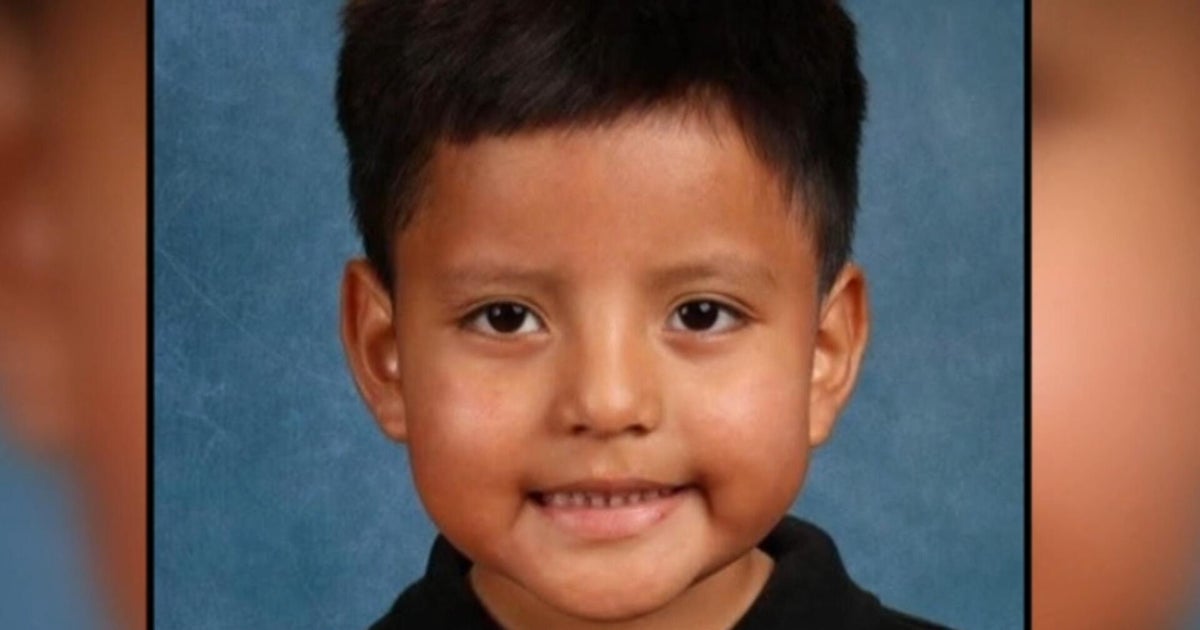
Sydney recorded 127 millimetres of rain on Sunday, which was the wettest January day in 38 years and coincided with a suspected bull shark attack in Vaucluse on 12-year-old boy Nico Antic, who is not expected to survive his injuries. A day later surfer Andre de Ruyter was bitten by what is believed to be a bull shark at North Steyne Beach. The 27-year-old remains in intensive care after his lower right leg was amputated.
About 100 millimetres of rain also fell in Port Macquarie between Sunday and Monday. On Tuesday, a man narrowly escaped major injuries at a shark attack at nearby Point Plomer.
Rain creates murky conditions favoured by ambush hunters. Nutrients and effluent flushed onto beaches can trigger plankton blooms and attract baitfish, which sharks hunt.
About 20 millimetres of rain is enough to worsen water quality at most beaches, said Sydney University water expert Professor Stuart Khan, although some take more like 40 millimetres and other protected harbour beaches grow dirtier with less than 10 millimetres.
But urban water quality expert Professor Ian Wright said Sunday’s rain was “extraordinary” and compared it to throwing burley, or chum (fish products used as bait), into the water.
Ocean beaches usually clear within three days, and sometimes up to five days, of major rainfall. But Wright said he would not yet swim in the harbour, which takes longer to clear. The water can be “a bit like a cafe latte” near Parramatta days after rain.
“If in doubt, don’t go in,” Wright, from the University of Western Sydney, said. “I’ve never seen the pleading of Surf Life Saving like I have in the last few days: just stay out of the water.”
He said it was reasonable to assume the risk of shark attacks would remain elevated heading into the long weekend.
Even if water quality improves a few days after rain, there could still be an increased presence of prey, creating a lagged response between rainfall and shark numbers close to shore.
Northern Beaches Council decided to keep beaches closed on Thursday after speaking with government shark and water quality experts. “Water conditions remain unclear following the recent heavy rain and floods, increasing the risk of shark activity,” a council spokesperson said.
With the forecast for a hot beach weekend, chief executive of Surf Life Saving NSW Steve Pearce expected people to flock to the beaches despite the shark attacks and water quality.
“Regardless of whether the beaches are open or closed, tens of thousands of people will be coming to the metropolitan area. And they’re going to be swimming, and probably in the wrong spots. We obviously have to take that into account. Not everyone is going to stay on the sand,” he said.
“If the beaches are open, the drones will be up.”
Surf Life Saving Australia has organised 1000 volunteers to patrol alongside council lifeguards, with roving jet ski patrols. “I see sharks frequently out on the jet ski,” Pearce said.
Randwick City Council Mayor Dylan Parker said drone surveillance for sharks would ramp up across Sydney’s east.
“We remind swimmers to stay alert to conditions that can attract sharks. These include murky water after heavy rain or large swells, low‑light periods such as dawn and dusk, and areas with increased baitfish,” Parker said.
“Baitfish often appear as dark patches in the water and can be identified through increased bird activity.”
Beaches in Sutherland Shire Council have been closed because of hazardous conditions unrelated to recent shark incidents. If the beaches do reopen, there would be increased patrols, a council spokesperson said.
Five years ago, Stephen Scott surfed near a great white shark at the famous Voodoo surf break of Cronulla. Soon after, a man was killed by a shark near where Scott goes spearfishing at Little Bay. He gave up spearfishing, but continued to surfing.
Sharks are always on his mind, though. “That’s what on everyone’s minds now,” said Scott, who surfed for three hours anyway at Maroubra on Wednesday.
“The conditions were rough and nobody was in the water because of the sharks, but there were good waves. The urge to surf – compared to the thought of sharks – was greater.”
He was worried, though, when the skies darkened. “It was much more eerie when the guy next to me kept saying, ‘It is a bit dark and I am going to keep my feet up on the board’.”
A range of aquatic events have been cancelled, including the Sydney Harbour Splash at Vaucluse, scheduled for 26 January, which won’t proceed “out of deep respect for the young boy who was tragically attacked”.
Start the day with a summary of the day’s most important and interesting stories, analysis and insights. Sign up for our Morning Edition newsletter.