3 months ago
15
3 months ago
15
February 4, 2026 — 5:01am
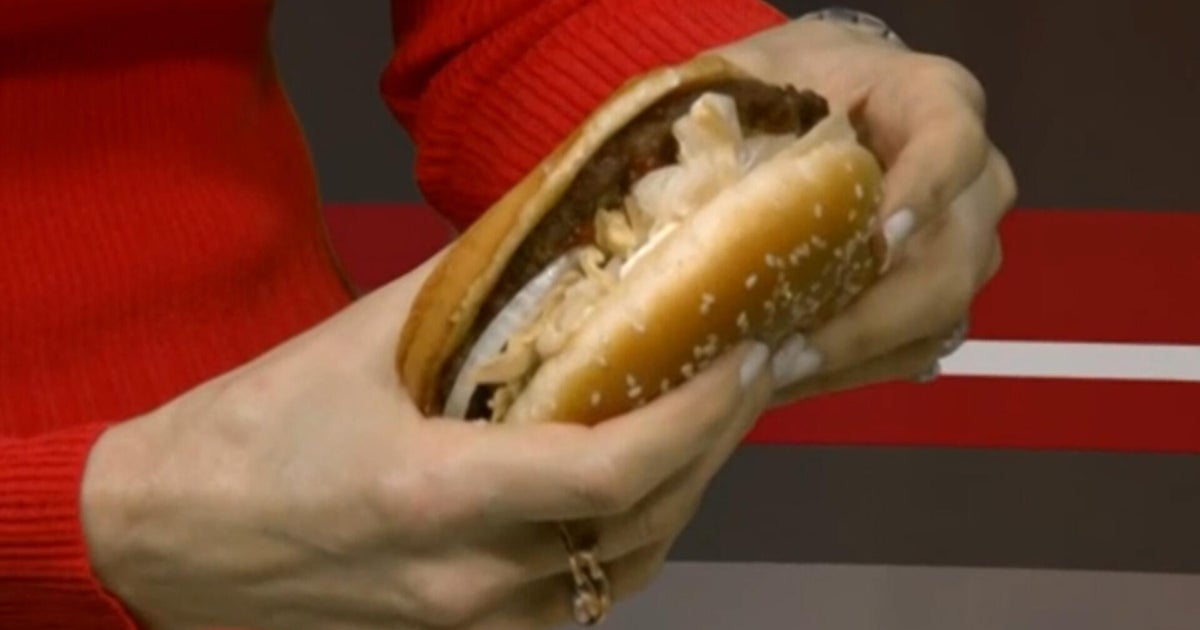
Did you know that when you buy a packet of Tim Tams, depending on the flavour, you get 11 biscuits or only nine? The packets look the same but inside there’s less.
As the government’s new Support at Home aged care program rolls out, many older Australians are discovering their care is starting to feel uncomfortably similar.
On September 12, 2024, the government pledged a “no worse off” principle for people approved for or receiving a Home Care Package. It guarantees they won’t contribute more under Support at Home than they previously did. And technically, that commitment is being honoured: their fees remain the same.
While their contribution hasn’t changed, the cost of care inside their package has. People are receiving less care for the same price; the hours have shrunk. The package looks the same on the outside, but inside there’s less. It’s shrinkflation — the aged care edition.
A major part of the shift comes from the new funding and pricing structure. The government has capped management fees at 10 per cent, and only on the services you actually use, not across your whole package. Under the old Home Care Package system, management and admin fees could swallow up to 35 per cent of your funding.
On paper, that’s great news. It makes comparing providers clearer, with travel, wages, admin and profit all built into the hourly price. But here’s the catch: the new bundled price of services is more expensive than the old one. Even people who are self-managing their home care services are reporting a 10 per cent jump in price.
Some of the bundled prices we’re seeing include $155 per hour for personal assistance, nursing care for $180 per hour and allied health services for $230 per hour. Add 10 per cent for management fees, and it’s easy to see why people are reporting that a package that was providing 17 hours a week is now only delivering 13.
Replacing those missing four hours a week can cost anywhere between $240 and $620 — and that’s assuming care is provided during standard business hours. Evening, weekend or public holiday services attract even higher rates.
For those who don’t have the protection of the no-worse-off principle, the reality is even tougher. They can pay up to 50 per cent of the cost of their independence services, such as help with showering and dressing, and 80 per cent of their everyday living services, such as cleaning.
With hourly prices this high, many part-pensioners and self-funded retirees need to look closely at alternatives. If cleaning is $100 an hour and your contribution is $80, the arithmetic becomes obvious.
Support at Home promised simplicity, transparency and fairness. But as the system settles in, many older Australians are finding that while the packaging is new, what’s inside feels smaller. And when it comes to care, unlike Tim Tams, having less is not good for your health.
Rachel Lane is the author of Downsizing Made Simple, a book and website aimed at demystifying downsizing.
- Advice given in this article is general in nature and not intended to influence readers’ decisions about investing or financial products. They should always seek their own professional advice that takes into account their own personal circumstances before making any financial decisions.
Expert tips on how to save, invest and make the most of your money delivered to your inbox every Sunday. Sign up for our Real Money newsletter.