3 months ago
25
3 months ago
25
By Julia Hartman
January 14, 2026 — 5.07am
It’s a scenario frequently seen in suburbs across Australia. You take your valuable block of land with the old family home in the middle of it, and slice it in two, building a duplex and selling off one side to cover the cost of building a newer, shinier, family home.
However, as easy as it may sound (minus the actual act of knocking down and rebuilding), there are numerous tax consequences and traps to be considered that can catch out the uninformed.
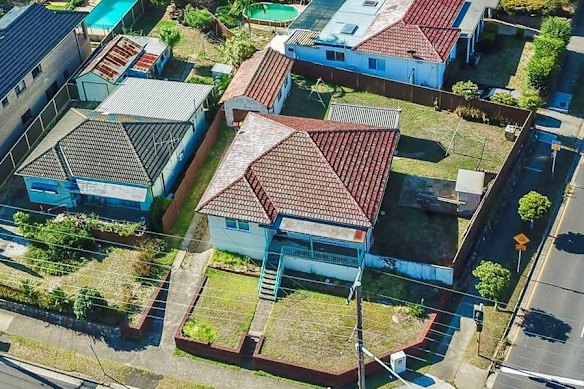
Large blocks with older houses may be ideal for townhouse or duplex developments.Credit: Fairfax
There is no avoiding the fact that this is a profit-making venture. Going to the trouble of constructing a home to sell is a business for GST and income tax purposes. Further, there is no chance of slipping under the radar, as the purchaser is required to withhold the GST at settlement and send it to the ATO.
You are going to get the same price for the house whether it is subject to GST or not. That one-eleventh comes out of your pocket. If you face up to this at the time of sale, you can put a margin scheme clause in the contract so that GST only applies to the difference between what you paid for that half of the property originally and the selling price.
The worse possible outcome is the ATO comes along a few years later looking for the GST, and it is too late for the margin scheme clause or for you to claim the GST input credits back on the construction costs.
Now to the income tax consequences. There will be no main residence exemption for any of the time the land was sitting under your original main residence. All that goes with the side you keep for yourself.
You will be entitled to the 50 per cent CGT discount on the gain from the date you purchased the property up to the date the land was committed to the development of the duplex.
There is a way to build the other side of the duplex and sell without charging GST.
But there is a catch here. You have a choice of setting the value of the land at change of purpose to either market value or cost. With cost, there is no gain to declare, so no tax until the duplex is sold, but it also means that none of the capital gain on the land beforehand is covered with the 50 per cent CGT discount.
Obviously, you want this change of purpose to be at market value. This means you need to declare a capital gain in the year of income that you change the purpose. Unfortunately, before you get any cash to pay the CGT, if you lose any advantage of the 50 per cent CGT discount on any of the capital gain since you purchased the property.
Loading
Considering the tax consequences and risk associated with building, you might want to consider just subdividing the block and selling off vacant land to finance your new home. As long as you did not buy the property with the primary intention of subdividing and cutting off some of the land, this move can be considered merely realising an asset.
Don’t get too business-like – just do the minimum works that the council requires and get a real estate agent to organise the sale. Merely realising an asset means the gain stays within the 50 per cent CGT discount concession.
Regarding GST, do not let anyone talk you into registering for GST. You are only required to be registered for GST if your turnover exceeds $75,000. The sale of a capital asset does not count as turnover. But if you are registered for GST, too late. Once you are registered for GST, the sale of vacant land, even though a capital asset, will be subject to GST.
There is a way to build the other side of the duplex and sell without charging GST. That is to keep the property as a rental for a continuous period of at least five years. If you can show you genuinely built the other side to hold as an investment property, it will also keep the capital gain within the 50 per cent CGT discount concession.
Julia Hartman founded BAN TACS Accountants more than 30 years ago and is still passionate about all things tax.
- Advice given in this article is general in nature and is not intended to influence readers’ decisions about investing or financial products. They should always seek their own professional advice that takes into account their own personal circumstances before making any financial decisions.
Expert tips on how to save, invest and make the most of your money delivered to your inbox every Sunday. Sign up for our Real Money newsletter.
Most Viewed in Money
Loading