3 months ago
32
3 months ago
32
Follow our live coverage of the unfolding situation in Venezuela here.
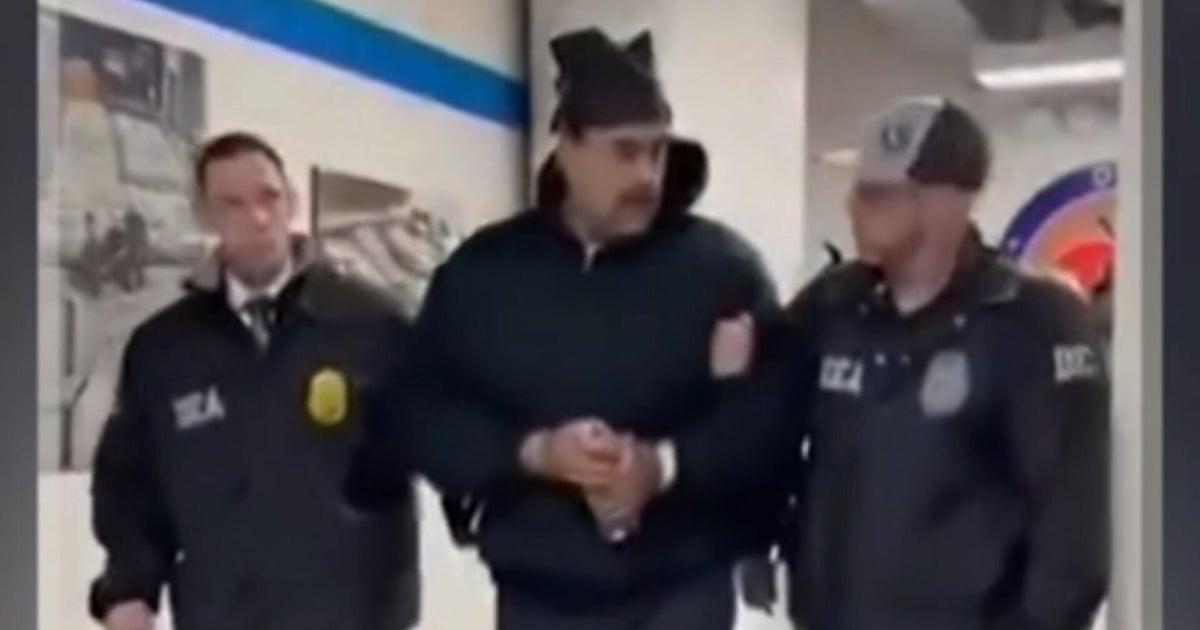
Geneva: Nobody should be shedding any tears for Nicolas Maduro now that the Venezuelan leader is set to stand trial in New York after being seized on the orders of Donald Trump.
Maduro persecuted his opponents, stole elections and governed corruptly. He faces charges of conspiracy to import cocaine after years of concern that he ruled his country like a drug lord.
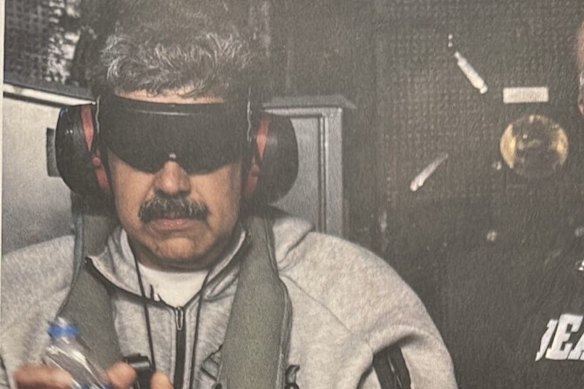
Venezuelan President Nicolas Maduro aboard the USS Iwo Jima after he was captured by US forces.Credit: @realDonaldTrump/ Truth Social
Trump claims this is a show of American strength in bringing a criminal to justice. But this military mission to capture a foreign leader will deepen the doubts about the US president and his judgment.
It is challenging, but not impossible, for American forces to bombard a small neighbour and send special forces into its capital. It is much harder for an American president to control what happens in the aftermath. This explains why global leaders are so cautious about this operation. No major European leaders have endorsed the use of force to bring down the Venezuelan government.
Contrary to the bombast, this operation is not a radical change in American strategy under Trump. In some ways, he is merely doing what previous presidents did to preserve US power in what it regards as its hemisphere.
President Ronald Reagan sent troops into Grenada in 1983 to remove leaders backed by Cuba, while president George Bush snr sent them into Panama in 1989 to seize a military dictator who was complicit in cocaine exports. That leader, Manuel Noriega, served 17 years in prison and died while facing further charges. The invasion did not stop the drug trade.
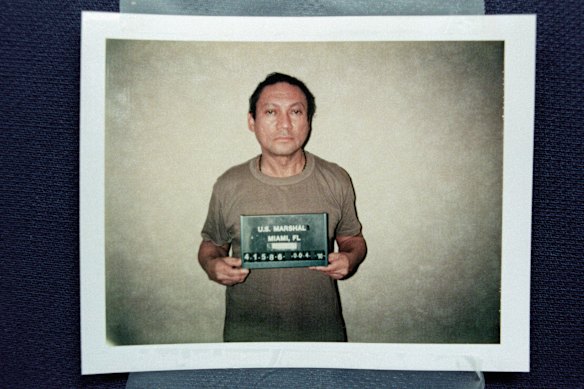
Maduro’s capture has hallmarks of the 1989 arrest of Panamanian leader Manuel Noriega.Credit: BETTMANN ARCHIVE
The success of Trump’s operation is important. Another White House predecessor, Jimmy Carter, ordered a military operation against Iran in early 1980 to retrieve American hostages, but this ended in failure when a helicopter crashed into a transport aircraft, killing eight servicemen. Carter lost the presidential election later that year.
Trump took the risk of wielding force, and his decision paid off in military terms. Like Barack Obama, who ordered the Navy SEAL strike in Pakistan in 2011 that killed Osama Bin Laden, he gained the outcome he wanted.
One sign of this success is the way US officials are briefing the media on how they ran the operation so well – for instance, by disclosing that a CIA source was helping from within the Venezuelan government. There is no doubt that the success highlights the US military capacity, with 150 aircraft and thousands of personnel deployed.
And some of the criticism of Trump is grimly laughable. The Kremlin condemned the “unacceptable violation of the sovereignty of an independent state” – as if Russia had merely sent its tourists into Ukraine over the past dozen years.
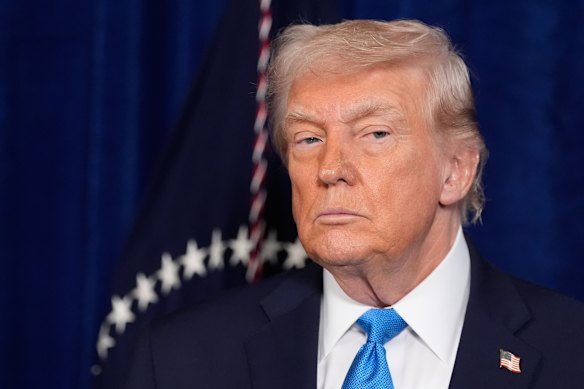
Trump claimed the US operation was unlike anything seen since World War II.Credit: AP
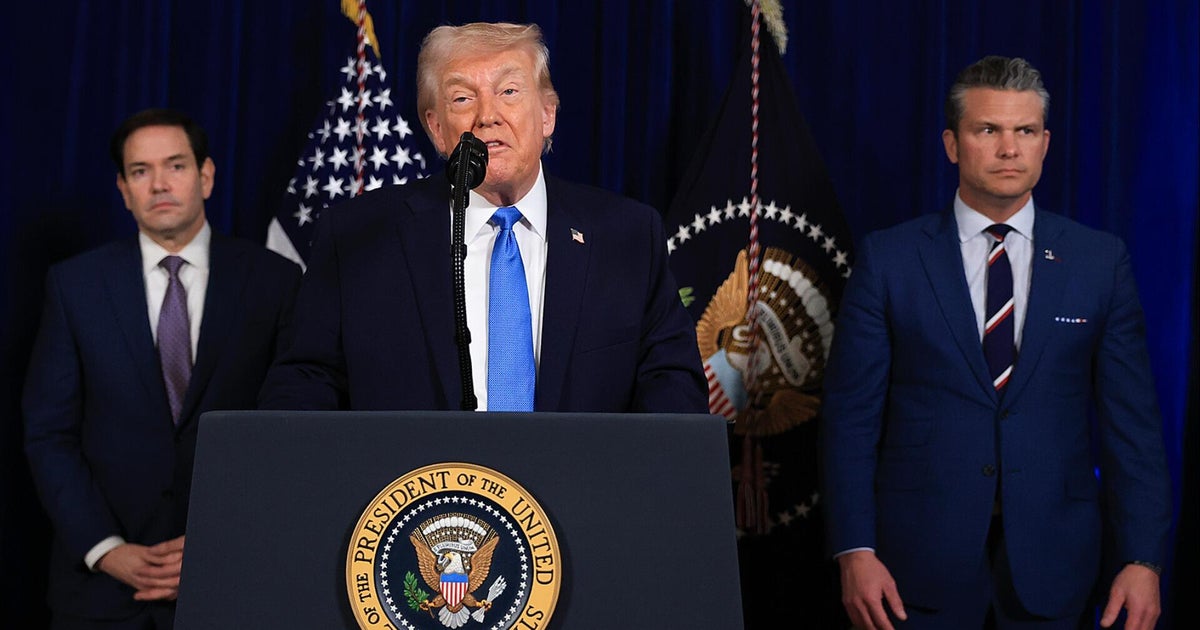
With Trump, however, it always pays to look past the hype. His opening claim to a press conference on Saturday in Washington (about 3.30am on Sunday, AEDT) was that the Venezuelan assault was unlike anything seen since the Second World War. The supporters behind him nodded proudly as he glossed over the wars in South Korea and Vietnam.
The real test for Trump is what comes next. He has been rightly critical of the US invasion of Iraq, and his MAGA movement favours “America First” rather than “regime change” overseas, but now he pursues a regime change of his own, with only a vague assurance that he and his lieutenants will run Venezuela for an unspecified time.
The objective has a strategic element, in trying to slow the flow of drugs into America, but most of it is nakedly commercial. While other presidents might not have said this out loud, Trump is direct: he wants US control of the Venezuelan oil fields, with US oil companies investing and making money, so that oil production will increase.
Loading
It sounded easy at his press conference. But what if some of the Maduro forces do not want to play along? Rebel leftist groups lasted for five decades in regional Colombia, partly financed by drug money. How often is Trump willing to send troops into Venezuela to assert US power? This undertaking is bigger and riskier than Grenada or Panama.
The broader problem is in the use of American force to control a neighbour. Why should Russian President Vladimir Putin pay any heed to Western complaints about his invasion of Ukraine? Why should Chinese President Xi Jinping listen to criticism of his policy of leaving military options on the table in a takeover of Taiwan.
Trump looks like he has signed up to the Xi and Putin view of the world: that might is right.
Some of the spin about the Venezuelan operation suggests it will act as a warning to China and Russia – that Trump is showing he is a man of action and is willing to use overwhelming force that others cannot match.
That might even be a good outcome in deterring Xi – if it worked. But why should China shrink at the idea that an American president requires 150 aircraft, several ships and thousands of personnel to extract an unpopular dictator from a poor country next door?
Loading
If anything, the lesson for China will be to ignore American rhetoric about sovereignty and increase military capacity so it can be on guard against the use of US force.
This is not an argument for interpreting the military operation in Caracas as a sign that Trump is willing to heighten friction with Beijing or Moscow. In fact, everything Trump does suggests he wants to avoid those tensions.
While he complains about Putin, he cannot find a way to curb the Russian attacks on Ukraine. While he has a tariff war with Xi, he has yet to show he can reverse years of decline in US industrial capacity. Nothing, so far, changes the trajectories of a rising China and a fading America. To be fair, these challenges are so daunting that they might confound any US president.
In his most recent foreign policy forays, Trump has fired missiles into Nigeria and sent special forces into Venezuela. He cannot wield enough influence to get his way with major powers, so he targets smaller ones. The White House spins this as a demonstration of American strength, but those who rule in Moscow and Beijing will not be fooled. Nor should anyone else.
Get a note directly from our foreign correspondents on what’s making headlines around the world. Sign up for our weekly What in the World newsletter.
Most Viewed in World
Loading