3 months ago
37
3 months ago
37

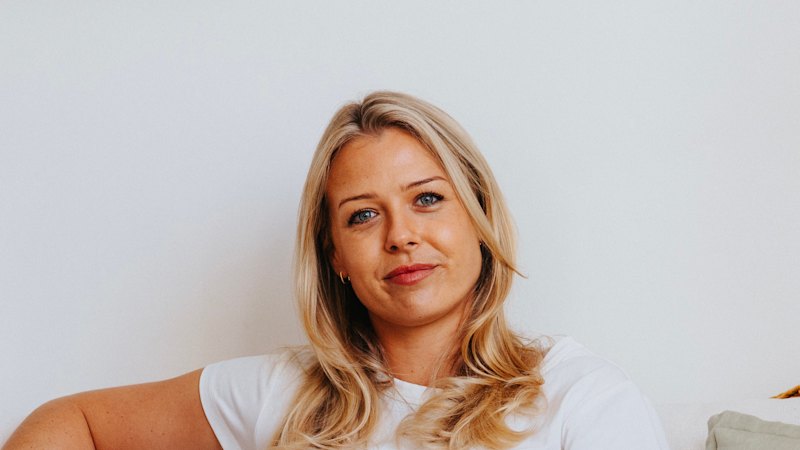
Mackenzie Sinclair was walking through a bustling Melbourne Central last spring when she realised she could no longer breathe.
“I caught the train in – it was pretty cold, and I didn’t think a heap about it,” the 21-year-old Geelong resident says of the lead-up to the serious asthma attack.
“I was walking a fair bit. Then I had a cold drink, which I think also set it off. I was pretty terrified. I didn’t think things would get that severe.”
Thankfully, a security guard was nearby. The worker ushered Sinclair into a quieter store, away from crowds, where staff and passersby treated her with Ventolin until paramedics arrived.
The Geelong resident was then taken to hospital in the back of an ambulance. Once there, she spent hours receiving nebulisers and other kinds of medication. She was discharged that evening.
“I had a few emergency calls ... while I was in ED because my breathing was that quick. My heart rate was quite fast as well.”
Sinclair says the terrifying experience, which took place last year, was a wake-up call. She’s now much more vigilant about her health and external factors like hay fever.
The 21-year-old first experienced asthma symptoms in primary school, but these were often dismissed as issues with anxiety or fitness. Her symptoms worsened after puberty.
She was formally diagnosed with asthma by a GP in March 2025 after another health professional recommended she raise it during her next general check-up.
“That could have been why it was taken more seriously.”
Research suggests Sinclair’s experience isn’t uncommon.
Asthma affects one in five adult Australian women. Women account for 61 per cent of all adults living with the condition, according to the Australian Centre for Airways Disease Monitoring.
After puberty, asthma becomes more common in females than males. Twice as many women die from the condition than men, according to the Australian Bureau of Statistics.
In 2024, 478 Australians died from asthma. Of those, 322 were women.
More than half of all Australian women living with asthma also experience high or very high psychological distress. And only a third have a written asthma action plan.
Professor Christine Jenkins, a respiratory physician, said the higher prevalence of asthma among boys and the lower prevalence of asthma reversed post-puberty.
“We don’t fully understand even how it is that boys no longer have such a high prevalence later on in adult life as they do in childhood,” Jenkins said.
“That could help us to understand what we could do for women. [But] hormonal fluctuations are undoubtedly part of it.”
Asthma Australia chief executive Kate Miranda said asthma needed to be seen as a women’s health issue.
Apart from an awareness campaign, Miranda said she would like the government and doctors’ groups to ensure GPs talk to women about their respiratory health during assessments that take place when patients reach 35–49 years of age, and again when they turn 75.
“We’ve got to better integrate asthma into women’s health policy. Asthma so disproportionately affects women.”
Federal assistant health minister Rebecca White said she had recently been briefed on the issue and was surprised to learn that women suffered worse asthma than men.
“These aren’t commonly understood statistics,” she said. “It’s really quite shocking.
“There is work already under way to address gender bias in the health system and our government has been very focused on improving access for women in healthcare. [But] there’s always more work to do.”
More than six months have passed since Sinclair sought help from that shopping centre security guard. She’s now studying a diploma of nursing in Geelong CBD, where she’s motivated to give patients the best possible experience.
“There’s nothing harder than not being able to advocate for yourself.”
Start the day with a summary of the day’s most important and interesting stories, analysis and insights. Sign up for our Morning Edition newsletter.