3 months ago
40
3 months ago
40

January 21, 2026 — 12:00pm
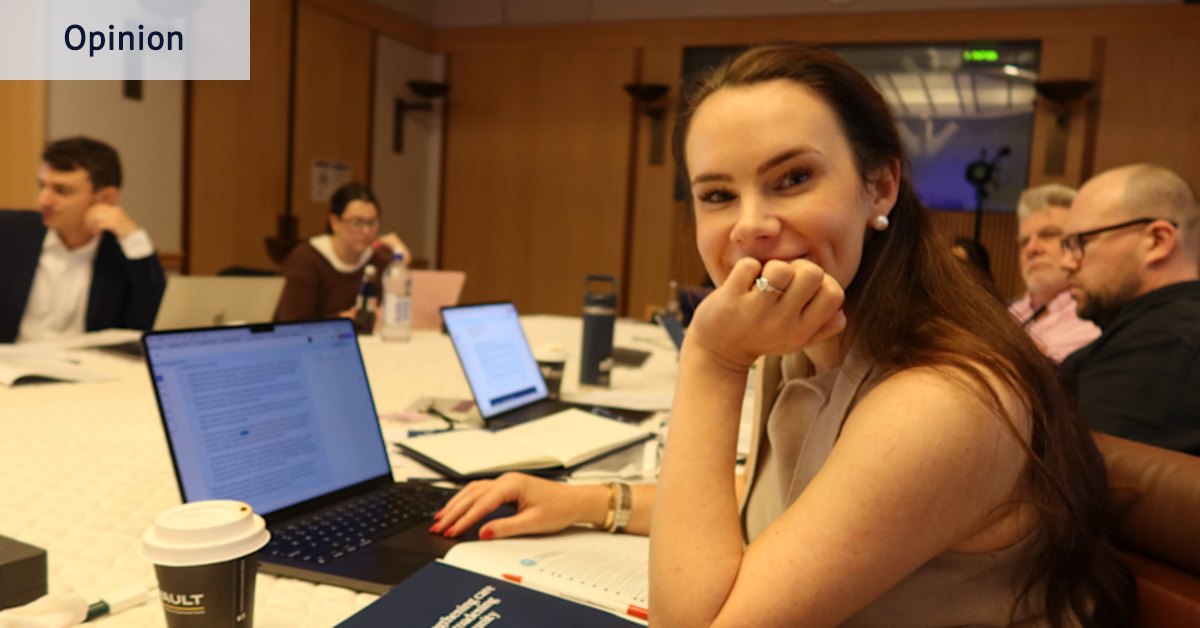
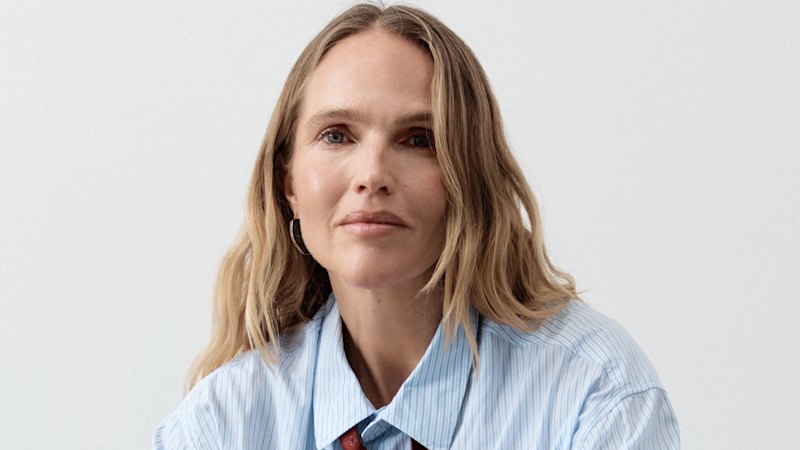
Writer Suzie Miller’s dad was meant to be on the West Gate Bridge the day it collapsed in 1970.
“There was another man there with exactly the same name, so we actually got a call saying that it was my dad, but we knew he wasn’t in Melbourne, so we were confused by that, but also stricken. I remember, as a six-year-old, being terrified about the fact that this had happened,” Miller says.
The story of that momentous event – which resulted in the loss of 35 lives and remains Australia’s worst industrial accident – is revisited in the play West Gate, which premieres at the Melbourne Theatre Company in March.
Miller recently joined the MTC board in something of a coup, given she lives between Sydney and London. The opportunity to work with artistic director Anne-Louise Sarks sealed the deal.
“I see her as one of the really great creative leaders in Australia. There are no women running a major theatre company in Sydney. That’s a big part of it for me, wanting to support a woman’s vision,” Miller says.
“Because once you’re up there, you can effect change and you can challenge stereotypes and ways of doing things and bring a fresh approach.”
Miller describes Sarks as very savvy, thoughtful and dynamic, and the MTC under her guidance as “strongly Australian storytelling and very contemporary”.
“We are now pushing boundaries, we are looking at the way a director actually initiates the show. We’re looking at different cultures. We’re looking at a multicultural, multifaceted Australia, in a capsule of time where democracy is under attack. We’re really taking creative risks.”
Having worked with the Griffin Theatre, the Sydney Theatre Company and more recently the National Theatre in London, Miller is known for her bold writing.
Despite growing up in Melbourne – her parents met at the St Moritz ice-skating rink in St Kilda – she didn’t see MTC shows, or indeed any theatre, when she was young. Her introduction to the genre came later, through St Kilda’s Theatre Works, an organisation her mother championed; it was revelatory.
Part of her remit is to help attract younger, more diverse audiences. “I would love to think that there’s some sort of onus on the way that grandparents ... or parents relate to their children, to buy a subscription and ... think I will have a date with a really wonderful young person six times a year.”
The wonder and depth of live performance was underlined for Miller during COVID lockdowns when it wasn’t allowed.
“Human beings ache to assemble with each other and to be in each other’s company and to sit shoulder to shoulder with strangers and share an emotional mist,” she says, “which is what I call theatre. It is quite an astonishing experience”.