3 months ago
24
3 months ago
24
Australians are accustomed to hot summers, but many of our homes are not designed or built for them.
Chris Barnes, senior project officer at CHOICE, noted that Australian homes have previously been described as “glorified tents”.
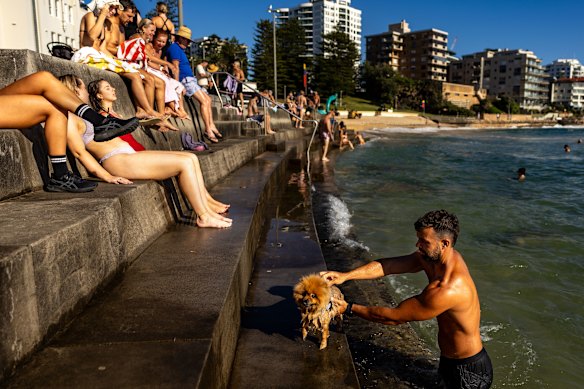
Australian summers are hot, but not all homes are designed for the heat.Credit: Sam Mooy
“Most Australian homes, or for a long time at least, Australian homes, haven’t been very well designed for thermal efficiency,” Barnes said.
Elham Monavari, head of Green Star strategic delivery from the Green Building Council of Australia, agrees.
“Studies show that some Australian homes can get so hot in summer they’re unsafe,” she said.
Loading
“Indoor spaces are considered safe and healthy by the World Health Organisation when kept within the 18 °C to 24 °C range, but research shows that Australian homes often go much above this range.”
Certain types of homes are more prone to overheating, including older residences, which can be draughty and lack modern insulation, allowing heat to enter and linger indoors.
“Often these homes also haven’t been designed with energy efficiency in mind, meaning that they may face the sun during the hotter parts of the day and year,” Monavari said.
Additionally, modern homes are also at risk during heatwaves, he added.
“Homes with a lot of windows allow heat in where it can become trapped, while dark roofs absorb and retain more warmth compared to lighter, reflective materials.”
How can you prevent your home from getting hot?
Helen Oakey, CEO of Renew, said a simple, free, and essential step to prevent your home from overheating is to close the blinds.
“Inside, it’s important to close blinds and curtains early in the day – this can stop a huge amount of heat getting inside, especially on north and west-facing windows,” she said.
Loading
“Then use the cool overnight air to your advantage - open up when it’s cooler outside and let the breezes flush out the hot air. It’s a great habit to get into and costs nothing.”
Oakey said fans are cheap, effective, and portable, making them a great tool, especially for renters.
“Fans cool down the person, rather than the whole house,” she said.
“Combining fans with simple evaporative cooling tricks, like using a wet cloth or spray bottle at night under a ceiling fan, is a great way to cool your body directly.”
Ceiling fans can also help, but it’s key to switch them to ‘summer’ mode so they push cool air down.
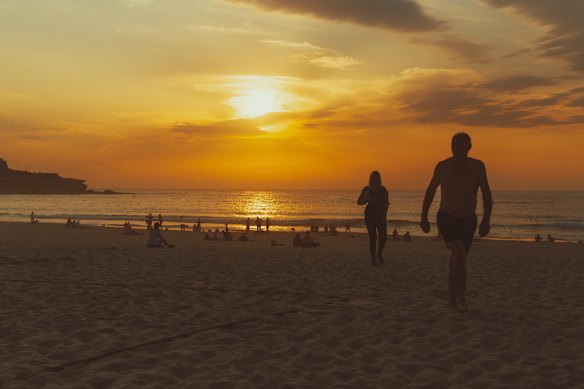
If it’s hot outside, closing the blinds at home can help.Credit: Dion Georgopoulos
Another step anyone, including renters, can take is to check for and block draughts.
“If there are drafts under the doors, then a simple door snake can be used,” said Barnes.
“Or if there are any around windows, you can get window ceiling tape from your local hardware store.”
Loading
More advanced renovation projects for home owners
If you own your home, there are more permanent, practical steps you can take to prevent overheating, starting with insulation.
“Aim for at least R5 in your ceiling to stop heat coming into your house,” said Oakey.
“Wall insulation is a bigger job, but it is really effective to keep the temperature down.”
Other permanent solutions can include installing eaves or pergolas, or planting vegetation and trees.
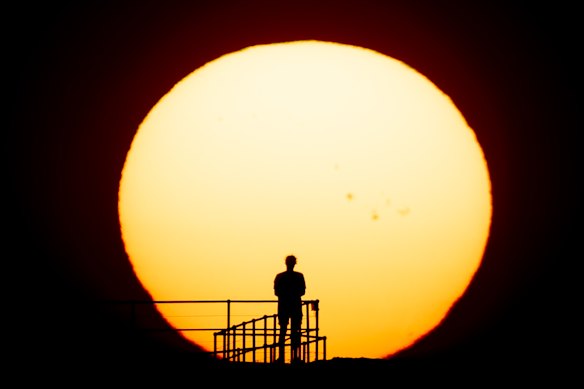
When a heatwave is on the way, try a heat audit of the day’s schedule.Credit: Getty Images
“These provide long-term protection from the north-westerly sun,” she said.
Dr Negin Nazarian, Scientia, associate professor at the University of New South Wales, said while installing air-conditioning may be your first thought, you don’t need to go straight to these ‘big guns’ if you want to keep cool.
“Some split units can actually make your balcony/neighbouring environment too hot – which then requires more cooling – and they can be very energy hungry,” the urban climate expert said.
Loading
Double glazing can be an excellent choice for both summer and winter.
“Many Australian homes are, in fact, more troubled in winter due to lack of insulation,” she said.
And if you’re renovating or building, she suggests choosing cooler materials:
“If you’re re-roofing or repainting, go for lighter, more reflective colours and avoid dark roofs and large expanses of bare paving. These materials absorb less solar radiation, so both the house and the surrounding street stay cooler.”
If a heatwave is already on its way
If there’s no time for big modification and a heatwave is already on its way, Nazarian suggests a quick “heat audit” of your day. Check the forecast, including overnight temperatures, shift strenuous tasks and outdoor travel to the early morning or evening, and try to avoid the hottest mid-afternoon period.
“On the day, keep focusing on the person, not just the room,” she said.
“Especially in a heatwave, it’s just as important to cool people as it is to cool homes. Simple actions like staying hydrated, using shade and fans, taking cool showers or dips in pools/ocean, and reorganising your day around the hottest hours can make a big difference to health, even in a fairly hot house.”
Most Viewed in Property
Loading