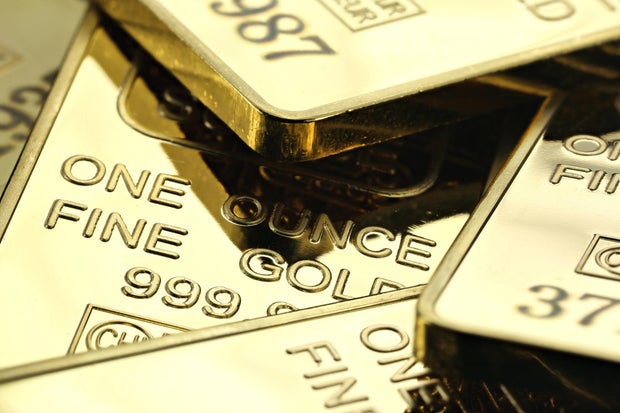
 The spot price of gold is just the starting point for what you'll pay when you invest in this precious metal.
Bjoern Wylezich/Getty Images
The spot price of gold is just the starting point for what you'll pay when you invest in this precious metal.
Bjoern Wylezich/Getty Images
Gold prices have surged to unprecedented levels in recent years and the precious metal's rally is only continuing, with the price of gold currently closing in on yet another record high. This uptick in gold prices reflects growing economic uncertainty, as ongoing inflation concerns and geopolitical tensions are leading both seasoned and new investors to increasingly turn to gold as a hedge against volatility. But while the latest spot price milestones are exciting, if you're purchasing gold, you'll rarely pay the spot price for your purchase.
Gold pricing is considerably more complex than paying the going rate you see quoted online, and in some cases, the difference between what gold trades for on commodities exchanges and what you'll actually pay as an individual buyer can be substantial. Premiums, dealer markups, shipping costs and the specific form of gold you're purchasing all factor into your final price tag. And, with prices fluctuating as rapidly as they are right now, understanding these dynamics is critical if you're planning to buy in.
After all, knowing how to evaluate the true cost of gold can mean the difference between a sound investment and overpaying, perhaps to a significant degree. So how much can investors expect to pay for 1 ounce of gold right now? That's what we'll outline below.
Find out how to start investing in precious metals today.
How much should you pay for 1 ounce of gold in today's market?
With gold's spot price hovering around $4,490.96 right now, you should expect to pay between $4,536 and $4,716, approximately, for a standard 1-ounce gold coin or bar from a reputable dealer. That premium above spot, which typically ranges from 1% to 5%, covers the dealer's costs for manufacturing, distribution and profit margin. The exact amount you'll pay, though, depends on several key factors.
The form of gold is one item that matters significantly in that equation. Gold bars generally carry lower premiums than coins because they require less intricate manufacturing. A 1-ounce gold bar might add only $50 to $100 to the spot price, for example, while popular coins like American Gold Eagles or Canadian Gold Maple Leafs typically command premiums of $100 to $200 or more per ounce. These coins cost more partly due to their government backing, collectibility and the additional minting processes involved.
Your purchase quantity also affects pricing. Buying in bulk typically reduces per-ounce premiums, as dealers offer better rates for larger orders. Someone purchasing 10 ounces might pay 3% over the spot price, while a single-ounce buyer might face a 5% premium. Current market conditions also play a role. When demand spikes during economic uncertainty, premiums can expand well beyond typical ranges as dealers capitalize on heightened buying interest.
Payment method introduces another cost consideration. Paying with cash or wire transfer often qualifies you for the best price, while credit card purchases typically incur additional fees of 3% to 4%. Some dealers also charge for shipping and insurance, adding $30 to $50 for secure delivery. When calculating your total cost per ounce, it's important to factor in all these elements rather than focusing solely on the advertised premium over spot.
Learn more about your precious metal investing options now.
What affects gold premiums beyond the spot price?
The global supply chain for physical gold creates inherent cost structures that influence what you'll ultimately pay. Refineries, mints and distributors all add their margins before gold reaches retail dealers. When production at major mints slows due to high demand or supply disruptions, premiums tend to increase across the board. Currently, strong investment demand is keeping premiums elevated compared to historical averages.
Market liquidity also impacts pricing. During periods of high volatility, bid-ask spreads widen, meaning dealers need larger margins to manage their inventory risk. The dealer's own business model matters too. Online retailers with lower overhead typically offer better pricing than brick-and-mortar stores, though the latter provide immediate possession and face-to-face transactions that some buyers value.
Product authenticity and certification add costs but provide essential protection. Reputable dealers invest in verification equipment and maintain relationships with certified refiners and mints. These quality assurances justify slightly higher premiums compared to sellers offering suspiciously low prices, which may signal counterfeit risks. Given that gold fraud can be an issue, the extra cost of buying from established dealers with strong reputations represents money well spent.
Storage and buyback policies can also factor into the value equation. Some dealers offer secure storage services or guaranteed buyback programs at competitive rates, effectively providing liquidity and security that justify their pricing structure. When comparing dealers, consider the complete package of services rather than just the premium percentages.
The bottom line
Paying somewhere between $4,536 and $4,716 per ounce for standard gold products represents a reasonable range in today's market, given the current spot price of $4,490.96. However, it's important to look beyond the headline premium to evaluate total costs, including payment fees, shipping and the reputation of their dealer. By understanding all the factors that influence physical gold pricing, from product type and purchase quantity to current market conditions and dealer overhead, you can make informed decisions that maximize the value of your precious metal investment while minimizing unnecessary markups.
Edited by Matt Richardson