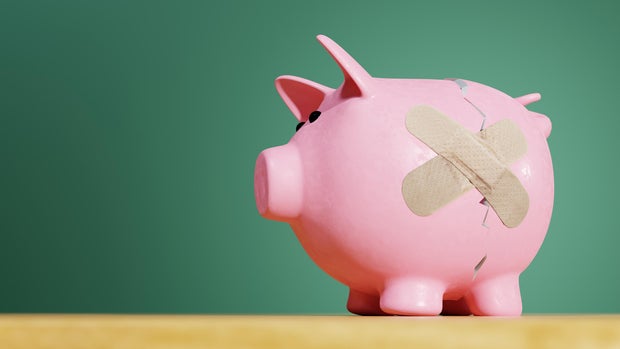
 While debt resolution recovery isn't instantaneous, you could move to a stronger financial position faster than you expect.
Rob Hyrons/Getty Images
While debt resolution recovery isn't instantaneous, you could move to a stronger financial position faster than you expect.
Rob Hyrons/Getty Images
For many borrowers, the debt resolution process results in a mix of relief and uncertainty. On one hand, settling your balances for less than you owe can feel like the first deep breath you've taken in months, or maybe even years. But once the settlement negotiations end and the once-overdue accounts are closed, that mix of relief and uncertainty is often replaced by the difficult question of what comes next. And, that question feels especially relevant right now.
After all, credit card debt is climbing, payment delinquencies are rising and inflation is stretching budgets thin, so a lot of borrowers are finding themselves in serious trouble with their credit card debt. And, many of them are turning to debt resolution to try and regain control of their finances. But while debt resolution can provide a path forward, it can also have a serious and long-lasting impact on your credit and your overall finances.
So, if you're considering debt resolution or are in the process of it, you need to know how long it will take before things feel normal again. While recovery isn't instantaneous, you may be able to move into a stronger financial position faster than you might think.
Find the right debt relief strategy for your finances.
How long does it take to recover from debt resolution?
While every borrower's timeline is different, most people can expect a 12- to 24-month rebuilding period after their debt is officially resolved. Here's what can influence that timeline:
The credit score drop (and how fast it rebounds)
Accounts that are settled as part of the debt resolution process typically appear on your credit reports as "settled" or "settled for less," and that notation can cause your credit score to dip. The exact impact, though, depends heavily on your starting credit health and the number of accounts involved. But if you take steps to build positive credit behavior, such as paying all bills on time, lowering your credit utilization and adding new positive trade lines, scores often begin improving within a few months. And, many borrowers see significant improvement within one year.
Speak with a debt relief expert about the help available to you now.
How many accounts were included
Resolving a single credit card via a settlement affects your profile far differently than settling multiple accounts across several lenders. The more accounts marked as "settled," the longer it can take for your overall credit picture to stabilize.
Whether collections were already reporting
If your accounts were already delinquent or in collections before you entered debt resolution, as they often are, some of the credit damage may have already occurred before you took steps to fix the issue. In these cases, the settlement itself might not trigger as steep a drop, and recovery may feel quicker.
Your financial habits after the settlement
Your financial habits are the variables that make the biggest difference in your recovery. Borrowers who use the settlement as a reset, meaning that they create a realistic budget, limit credit use and avoid racking up new high-rate debt, tend to recover much faster than those who do not adjust their financial behavior.
What should borrowers do after completing debt resolution?
Debt resolution is often a turning point, meaning the months that follow are an opportunity to put a more stable foundation in place. And with today's financial pressures, taking advantage of that window is especially important. Here are a few of the most effective ways to strengthen your recovery:
Rebuild credit with new positive activity
A secured credit card, a credit-builder loan or even becoming an authorized user on someone else's well-managed account can help reintroduce positive credit patterns to your borrower profile. Use these tools responsibly, though, meaning that you make small purchases, paid in full each month, as doing so can accelerate your score's rebound.
Establish guardrails to prevent new debt
Once your balances are settled, it can feel tempting to start over with new credit. But opening too many new accounts or overusing your credit can directly stall your progress. So, rather than taking that approach, it makes more sense to build a budget that reflects your current income and expenses, keep a close eye on discretionary spending and automate bill payments to avoid falling behind.
Rebuild your safety net
Emergency savings are one of the most important buffers against future financial strain, and even small contributions — like depositing $25 here or $50 there — can help build momentum. Over several months, this cushion can protect you from needing to rely on credit when unexpected expenses arise.
Consider additional debt relief support if needed
If debt resolution addressed only part of your financial challenges, or if your income has shifted since completing the process, you may benefit from ongoing credit counseling or taking part in other debt relief programs. These services can help you maintain progress, avoid backsliding and keep your long-term financial goals on track.
The bottom line
Recovering from debt resolution isn't instantaneous, but it also isn't an open-ended process. Most borrowers begin seeing improvements within months and feel financially stable again within one to two years, especially if they take proactive steps to rebuild their credit and reshape their financial habits. If you're planning on pursuing debt resolution or are in the process now, think of the period after it ends as an investment in your financial future. With patience, structure and the right support, you can move from pursuing relief to having real, lasting stability.
Edited by Matt Richardson