3 months ago
23
3 months ago
23
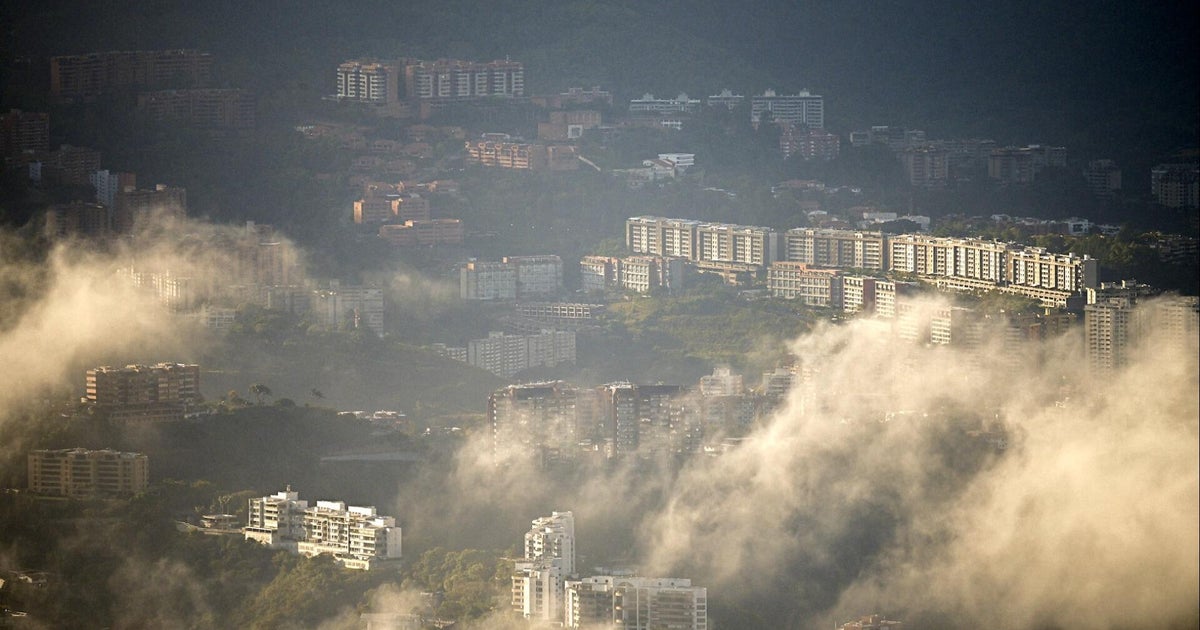
Victoria’s controversial investor tax regime has helped Melbourne become one of Australia’s most affordable major housing markets, economists say, as first home ownership rises and price growth stalls.
The latest rental bond data reveals 23,000 landlords have exited the market since mid-2023, following the investor tax rises announced in the May 2023 state budget, a trend analysts say has helped home buyers.
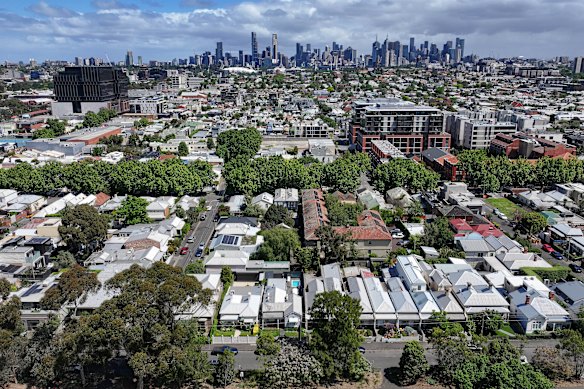
Melbourne’s taxes on investors have helped dampen house price rises.Credit: Joe Armao
But the sell-off has also sparked warnings that tax settings are stifling new supply and will hamper affordability in years to come, as a combination of high costs and government charges stall new apartment projects.
Economist Saul Eslake said the Allan government’s increased taxes on investors – hated by industry – appeared to be having a dampening impact on rates of property investment.
“Which is really not necessarily a bad thing. Melbourne property prices haven’t gone up nearly as much as Sydney or Adelaide or Brisbane or Perth,” he said.
“One thing Victoria is actually getting right is housing affordability, even if it’s unintentional.”
While house prices in Sydney, Brisbane, Adelaide and Perth have surged since 2023, Melbourne’s values have stalled, allowing nearly 70,000 first-time buyers to enter the Victorian market in the past two years, according to ABS data.
The latest quarterly data from Domain shows Melbourne’s median house price was $1,083,043 – still below the December 2021 peak of $1.1 million.
Meanwhile, house prices have grown more than 80 per cent in Adelaide, Perth and Brisbane since 2020.
In an analysis paper, Cotality head of research Eliza Owen said that the new taxes had cooled Melbourne’s market, easing competition for homes.
Owen said that while investment lending had risen since 2023, the growth rate remained significantly below the national average.
She said that if investors exiting the market allowed renters to become first home buyers, it would ultimately be a good outcome, but she warned that Melbourne offered both lessons and warnings for the rest of the country.
“More subdued price growth and reduced investor activity has clearly increased affordability and made room for more first home buyer activity,” Owen said.
“But this may also be contributing to a reduction in new housing supply due to reduced feasibility for new construction.”
Loading
She said slower population growth and relatively high rates of home building had also contributed to Melbourne’s softer market.
Victorian rental bond data shows that active bonds fell from 678,885 in June 2023 to 655,625 by June 2025. This metric is often used to track investor participation, as every bond equates to one rented property.
While fewer bonds signify a shrinking rental pool, vacancy rates have remained relatively stable over the past year.
At the same time, first home ownership in Melbourne has increased and remains the highest in the country, suggesting some renters are becoming owners.
ABS home loan data showed that in the two years to September 2025, there were almost 70,000 first-time home owners in Victoria.
Loading
Grattan Institute economist Brendan Coates said the direct impact of taxes on Melbourne prices was probably minimal, but they had given first home buyers an advantage.
“They have seen some investors sell or choose not to purchase, which means fewer investors at auctions, which means first home buyers are more likely to buy,” he said.
But Coates thinks the main reason for Melbourne’s comparative housing affordability has been because it has built more homes than other states.
He argued that land tax increases wouldn’t hamper supply but warned that higher surcharges on foreign investors made major apartment projects sold off the plan – traditionally reliant on overseas capital – less viable.
The latest Real Estate Institute of Australia affordability report, published last month, showed housing affordability in Victoria continued to improve in the three months to September.
It said mortgage repayments now accounted for 43.4 per cent of household income, down from 44.4 per cent in the June 2025 quarter, while rental affordability also slightly improved, with 20.7 per cent of household income required to meet median rents, down from 21 per cent in the previous quarter.
The rise in investor taxes was announced in the May 2023 budget, when the Labor government introduced a 10-year “COVID debt levy” that slashed the land tax-free threshold from $300,000 to $50,000 and added new fixed charges of up to $975, alongside doubling the absentee owner surcharge paid by foreign investors to 4 per cent.
Despite the gains for first-time buyers, the property industry has warned of a looming supply cliff, arguing higher taxes are compounding the impact of high construction costs.
The initials “ABM” – anywhere but Melbourne – have become a mantra for developers who claim high government charges are making apartment developments unfeasible.
Opposition Leader Jess Wilson said Labor’s property taxes had nothing to do with affordability but were a desperate attempt to pay for waste and reckless spending.
“You cannot tax your way to more affordable homes, and every extra dollar in property tax is one more a home buyer or renter will ultimately pay for,” she said.
“With the phrase ‘anywhere but Melbourne’ running through boardrooms in Australia and overseas, Victoria needs a new approach to reduce taxes and red tape and make our state a competitive investment destination once more.”
Property Council Victoria chief executive Cath Evans said the real impact of higher investment property taxes would ultimately be felt by renters.
“When investors are pushed out of the market, rental supply shrinks, vacancy rates tighten and rents rise,” she said.
“If governments want to improve affordability for both local buyers and renters, the focus must be on boosting supply and restoring investor confidence, not adding taxes.”
Recent data revealed foreign investors buying more property in Victoria than in any other state, but they were largely drawn to new dwellings and undeveloped land worth less than $1 million.
Foreign investors are a small segment of the market, representing just 1 per cent of total housing transactions.
Separate data from the Property Council showed foreign investment in Victoria’s commercial and large residential property market plunged $5 billion in three years, a decline the industry blames on the state’s tax regime.
A state government spokesperson said the best way to improve affordability was to build more homes, saying Victoria was building and approving more homes than any other state.
Start the day with a summary of the day’s most important and interesting stories, analysis and insights. Sign up for our Morning Edition newsletter.
Most Viewed in National
Loading