2 months ago
14
2 months ago
14
A ban on publicly inciting racial hatred has led to only two charges since laws rushed through parliament took effect in August, documents obtained under freedom of information reveal.
Special Envoy to Combat Antisemitism Jillian Segal told an independent inquiry into hate speech laws that prosecutors faced barriers to proving the new offence. Legal bodies warned it may be unworkable.
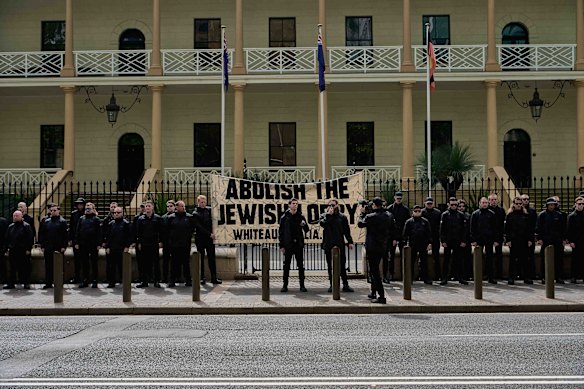
The National Socialist Network held a rally outside parliament in Sydney in November. No charges have been laid. Credit: Flavio Brancaleone
But the Minns government is refusing to release the inquiry’s final report, as it pushes for extra hate speech laws following November’s neo-Nazi rally outside parliament and the Bondi terror attack.
Documents obtained by The Sun-Herald show two individuals were charged with the new offence, known as 93ZAA, between August 15 and the end of November.
One had charges withdrawn by prosecutors and the status of the other is unknown. No charges have been laid over the Nazi rally.
Introducing the laws in February, Attorney General Michael Daley said the offence was a direct response to escalating incidents of antisemitism in Sydney, including graffiti and firebombings, and would be punishable with an $11,000 fine or up to two years’ imprisonment.
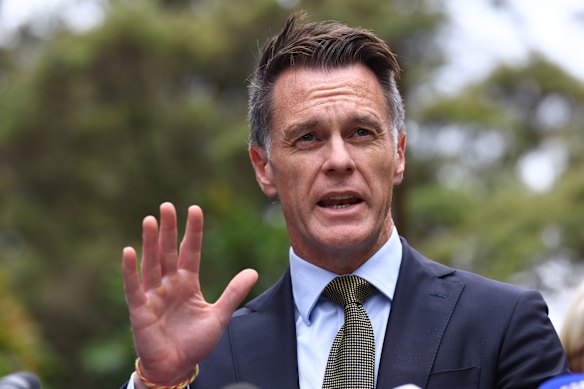
Premier Chris Minns says he is considering when to release the report into hate speech laws. Credit: Dominic Lorrimer
The law includes an exemption for quoting religious texts.
At the time, Premier Chris Minns ignored advice from the Law Reform Commission, which had recommended against new vilification laws partly because terms such as “hatred” would introduce “imprecision and subjectivity into the criminal law”.
Minns said in January: “I acknowledge that we asked for a recommendation from the state’s Law Reform Commission, but at the end of the day, I don’t believe antisemitism, antisemitic attacks begin and end with a firebombing or a graffiti attack.”
When asked whether the government was pleased with the take-up of the new laws, a spokesperson for Daley said there had been a relatively short time for offences to be investigated and prosecuted.
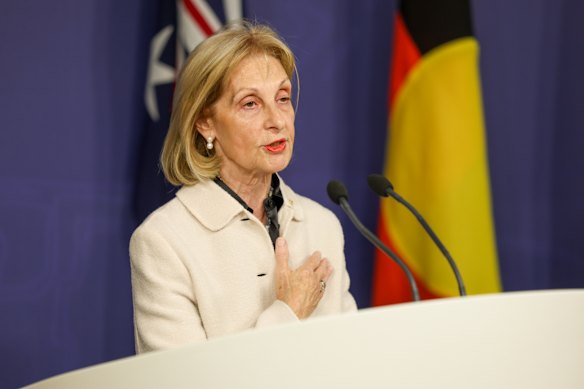
Special Envoy to Combat Antisemitism Jillian Segal has recommended the government consider a number of changes to the new offence. Credit: Dylan Coker
“The laws do not exist in isolation,” the spokesperson said. “An alternative or more serious charge might be deemed appropriate depending on the facts and circumstances of a case ... 41 people have been found guilty over a Nazi symbol offence as of the end of October.”
The government ordered a review of protections against hate speech in February, which retired Supreme Court judge John Sackar, KC, handed to Daley last month.
In a public submission to the inquiry, Segal welcomed the ban on inciting racial hatred and called for mandatory training for police officers, lawyers and judges.
Loading
She also encouraged such changes as lowering the threshold to “promote hatred” and removing the onus on prosecutors to prove a reasonable member of a targeted group would fear harassment, intimidation or violence.
“The intentional promotion of hatred is itself harmful to society and destructive of social cohesion, and ought to attract criminal liability irrespective of whether it raises an immediate fear response,” she wrote.
Segal said the cumulative effect of graffiti slurs such as “F--- the Jews” produced “an environment in which antisemitic hatred is seen to be tolerated, even permitted, by law”.
NSW Bar Association president Dominic Toomey, SC, said the association did not support the creation or expansion of the offence, which was “imprecise”.
Loading
The Law Society of NSW predicted minimal police prosecution because of the complexity in proving a person intentionally, through a public act, incited another person to hate a group based on their race.
A NSW government spokesperson said it would carefully consider the Sackar report before making it available. Minns is deciding on the best time to release it.
Shadow attorney-general Alister Henskens called on the government to release the report immediately, saying there could be no more important time, given the recent Bondi terror attack.
The state government is pursuing further crackdowns on hate speech, including a new offence of publicly supporting Nazi ideology through symbols or slogans.
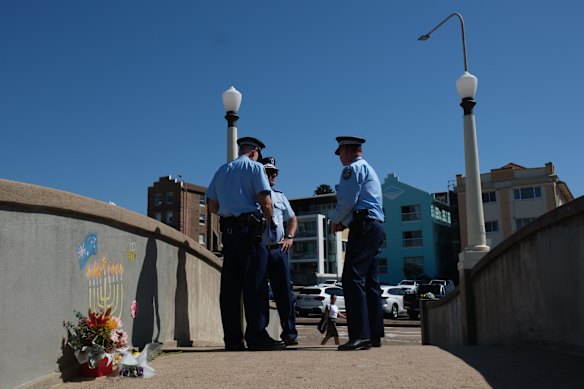
Police patrol the Bondi Beach footbridge after the terror attack. Credit: Oscar Colman
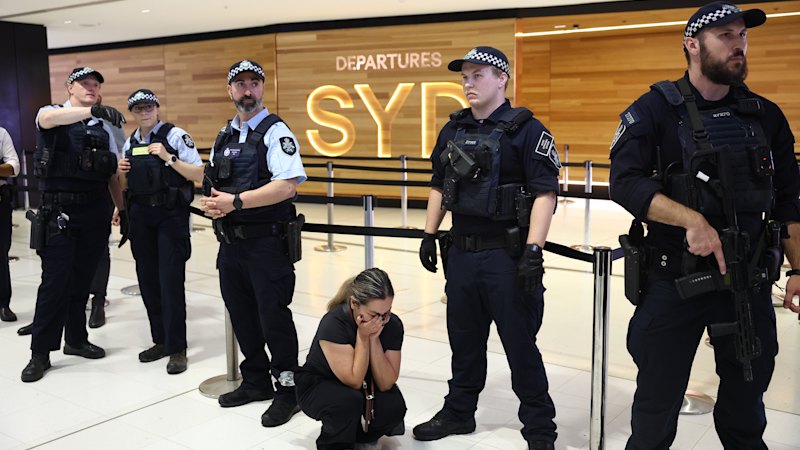
Legislation to outlaw certain slogans following the Bondi massacre, including “globalise the intifada”, is expected to be introduced next year after a committee checks whether such laws infringe on freedom of political communication.
Greens MP and justice spokeswoman Sue Higginson said it was impossible to reconcile government calls for further hate speech reforms when existing laws were “barely being engaged”.
“We need to carefully examine any hate speech laws to ensure they are effective tools to confront hate, antisemitism and racism, especially before we are asked to enact any more,” Higginson said.
“What we know for certain is that our communities need and deserve real tools to confront hate and racism in all its forms and that starts with doing all we can to foster equality and social justice.”
The Morning Edition newsletter is our guide to the day’s most important and interesting stories, analysis and insights. Sign up here.
Most Viewed in Politics
Loading